
About Skin Care: Your Complete Guide to Healthy Skin
Understanding what truly matters about skin care can transform not only your complexion but also your confidence and overall well-being. The skin care industry has evolved dramatically over recent years, with increasing awareness about ingredient quality, sustainability, and the importance of personalised routines tailored to individual skin types. Whether you're just beginning your skin care journey or looking to refine your existing routine, grasping the fundamentals about skin care will empower you to make informed decisions that benefit your skin for years to come.
Understanding Your Skin's Unique Needs
Before diving into products and routines, it's essential to understand that skin care is not a one-size-fits-all approach. Your skin type, age, environment, and lifestyle all play crucial roles in determining what works best for you.
Identifying Your Skin Type
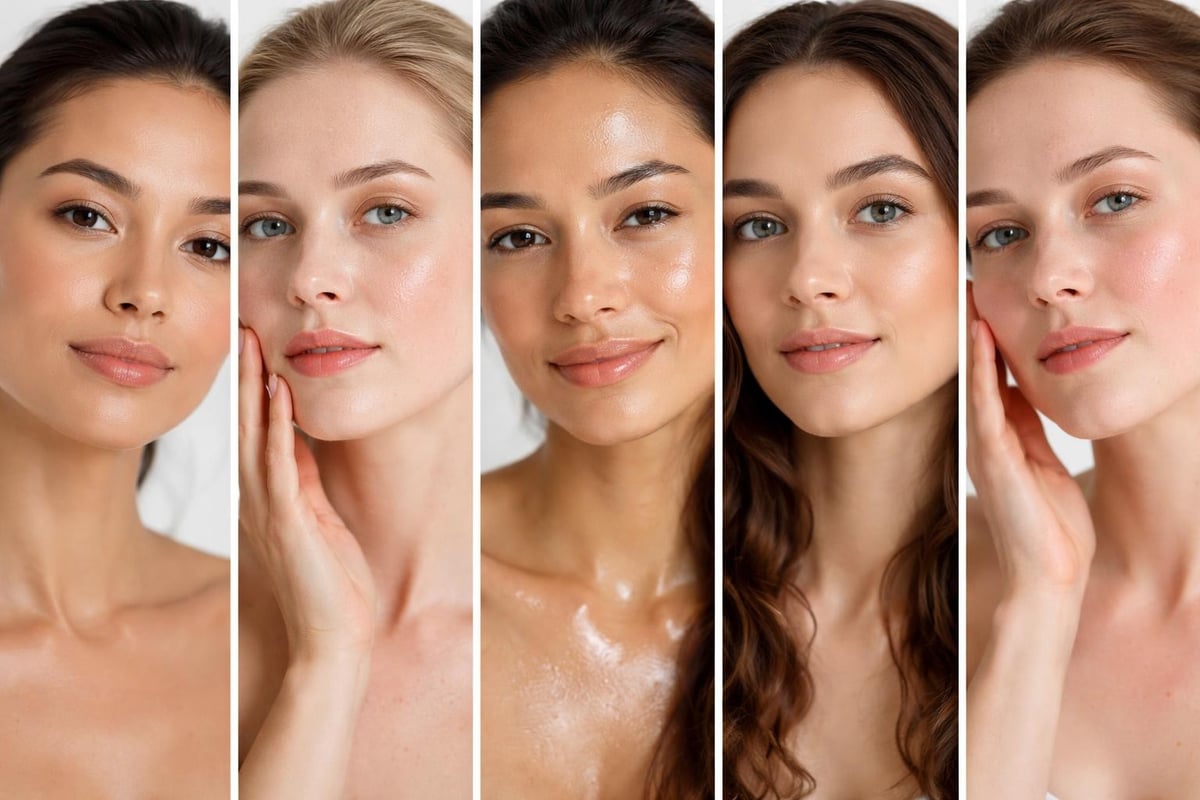
The foundation of any effective regimen starts with correctly identifying your skin type. The main categories include:
- Normal skin: balanced sebum production with few imperfections
- Dry skin: tight feeling, flakiness, and potential sensitivity
- Oily skin: enlarged pores, shine, and increased likelihood of breakouts
- Combination skin: oily T-zone with drier cheeks
- Sensitive skin: prone to redness, irritation, and reactions
Understanding these distinctions is fundamental when learning about skin care, as it guides your product selection and routine structure. According to research on skin care practices, recognising your skin's behaviour throughout the day helps you choose appropriate formulations.
The Science Behind Skin Function
Your skin serves as your body's largest organ, performing multiple vital functions beyond appearance. It regulates temperature, provides a barrier against environmental aggressors, and synthesises vitamin D. When you think about skin care, you're really considering how to support these natural processes.
The epidermis, dermis, and hypodermis work together to maintain skin health. The epidermis constantly renews itself, shedding dead cells whilst generating new ones. This natural turnover process takes approximately 28 days in young adults but slows with age, which is why proper skin care and repair become increasingly important as we mature.
Building an Effective Daily Routine
Creating a consistent routine is perhaps the most crucial aspect about skin care that many people overlook. Consistency yields results far more effectively than sporadic use of even the most expensive products.
Morning Protection Protocol
Your morning routine should focus on protection and preparation. Here's a structured approach:
- Gentle cleansing: Remove overnight oil production and prepare skin for active ingredients
- Toning: Balance pH levels and enhance absorption of subsequent products
- Targeted treatments: Apply serums or treatments for specific concerns
- Moisturising: Lock in hydration appropriate to your skin type
- Sun protection: Apply broad-spectrum SPF 30 or higher, regardless of weather
This sequence matters because products are formulated to work in specific orders, with thinner consistencies applied before thicker ones. Morning routines emphasise protection, particularly from UV damage, which remains one of the primary causes of premature ageing.
Evening Repair Sequence
Night-time is when your skin enters repair mode, making your evening routine equally vital when thinking about skin care comprehensively.
| Step | Purpose | Key Consideration |
|---|---|---|
| Double cleanse | Remove makeup, sunscreen, and daily buildup | First oil-based, then water-based |
| Exfoliation | Remove dead cells (2-3 times weekly) | Avoid over-exfoliating |
| Treatment products | Address specific concerns with active ingredients | Allow proper absorption time |
| Hydration | Replenish moisture lost during the day | Choose richer formulations for night |
| Targeted care | Apply to specific areas needing extra attention | Eye creams, spot treatments |
The body care routine extends beyond facial skin, encompassing your entire body for comprehensive care.
Natural Ingredients That Transform Skin
When learning about skin care, understanding ingredient efficacy proves invaluable. Natural ingredients have gained substantial recognition for their ability to deliver results without harsh synthetic chemicals.
Powerhouse Natural Components
Retinol stands as one of the most researched ingredients for anti-ageing concerns. It accelerates cell turnover, stimulates collagen production, and addresses hyperpigmentation. When formulated correctly with complementary natural ingredients, retinol-based products can transform skin texture and tone.
For those concerned about visible signs of ageing, incorporating products with proven active ingredients makes a significant difference. Targeting concerns such as fine lines, loss of collagen, and uneven texture requires consistent use of scientifically-backed formulations.

Hyaluronic acid attracts and retains moisture, holding up to 1,000 times its weight in water. This humectant works for all skin types, providing hydration without heaviness.

Botanical extracts offer antioxidant protection, soothing properties, and targeted benefits. Common examples include:
- Green tea extract for antioxidant protection
- Chamomile for calming inflammation
- Rosehip oil for vitamin C and essential fatty acids
- Aloe vera for hydration and healing
- Niacinamide for pore refinement and brightening
The best natural skin care approaches combine these ingredients strategically, ensuring compatibility and maximum efficacy.
Understanding Ingredient Synergy
Learning about skin care ingredients means understanding how they interact. Some combinations enhance effectiveness, whilst others may cause irritation or reduced potency.
Beneficial pairings include vitamin C with vitamin E for enhanced antioxidant protection, and niacinamide with peptides for comprehensive anti-ageing benefits. However, certain combinations require caution, such as retinol with AHAs or vitamin C with certain peptides, which may reduce stability.
Addressing Common Skin Concerns
Everyone experiences skin concerns at various life stages. Knowing how to address these issues forms an essential part of understanding about skin care comprehensively.
Acne and Blemish Management
Acne isn't exclusive to teenagers; adult acne affects many people well into their 30s, 40s, and beyond. Effective management requires:
- Gentle, non-stripping cleansers that maintain skin barrier function
- Salicylic acid or other BHAs to penetrate pores
- Niacinamide to reduce inflammation and regulate sebum
- Non-comedogenic moisturisers to prevent dehydration
- Patience and consistency, as results typically appear after 6-8 weeks
Avoid over-washing or using harsh products, which can trigger increased oil production and worsen the condition.
Hyperpigmentation and Uneven Tone
Dark spots, melasma, and post-inflammatory hyperpigmentation respond to several approaches:
- Daily sun protection to prevent worsening
- Vitamin C for brightening and antioxidant benefits
- Retinol to accelerate cell turnover
- Niacinamide to inhibit melanin transfer
- AHAs to gently exfoliate surface pigmentation
Results require patience, typically showing improvement after 8-12 weeks of consistent use.
Anti-Ageing Strategies
Understanding about skin care for mature skin involves supporting natural processes that slow with age. Fine lines, wrinkles, and loss of firmness result from decreased collagen production, reduced cell turnover, and cumulative environmental damage.
| Concern | Ingredient Solution | Expected Timeline |
|---|---|---|
| Fine lines | Retinol, peptides | 8-12 weeks |
| Loss of firmness | Peptides, vitamin C | 12-16 weeks |
| Dryness | Hyaluronic acid, ceramides | 2-4 weeks |
| Uneven texture | AHAs, retinol | 6-8 weeks |
| Dullness | Vitamin C, niacinamide | 4-6 weeks |
The anti-ageing collection offers targeted solutions for these concerns using natural, effective formulations.
The Role of Lifestyle in Skin Health
Product application represents only part of the equation about skin care. Lifestyle factors significantly impact skin appearance and health.
Nutrition and Hydration
What you consume directly affects your skin. A diet rich in antioxidants, omega-3 fatty acids, and vitamins supports skin health from within. Key nutritional considerations include:
- Hydration: Aim for 2-3 litres of water daily
- Antioxidants: Berries, dark leafy greens, and colourful vegetables
- Healthy fats: Avocados, nuts, and fatty fish
- Protein: Essential for collagen production
- Limit sugar: Excess sugar promotes glycation, damaging collagen
Sleep and Stress Management
Sleep deprivation shows immediately on your skin through dark circles, puffiness, and dullness. During deep sleep, your body increases blood flow to skin and rebuilds collagen. Aim for 7-9 hours nightly.
Chronic stress elevates cortisol levels, triggering inflammation and potentially worsening conditions like acne, eczema, and psoriasis. Stress management techniques-meditation, exercise, or hobbies-support skin health alongside topical care.
Environmental Protection
Environmental aggressors accelerate skin ageing. Protect your skin by:
- Wearing SPF daily, even on cloudy days
- Using antioxidants to neutralise free radicals
- Avoiding excessive heat exposure
- Protecting skin in harsh weather conditions
- Limiting pollution exposure when possible
Seasonal Adjustments and Adaptability
Understanding about skin care means recognising that your skin's needs change with seasons, life stages, and circumstances.

Winter Care Modifications
Cold weather and indoor heating strip moisture from skin. Winter adjustments include:
- Richer, more emollient moisturisers
- Reduced frequency of exfoliation
- Additional facial oils for extra protection
- Humidifiers to combat dry indoor air
- Gentle, cream-based cleansers instead of foaming formulas
Summer Considerations
Warmer weather and increased sun exposure require different approaches:
- Lighter, gel-based moisturisers
- Increased SPF application and reapplication
- Oil-control products for those with oily or combination skin
- After-sun care to soothe and repair
- More frequent gentle exfoliation to combat sweat and sunscreen buildup
The face collection includes options suitable for various seasonal needs.
Choosing Quality Products Wisely
With countless products available, making informed choices about skin care products becomes crucial. Quality matters more than quantity in building an effective routine.
Reading Labels Effectively
Understanding ingredient lists empowers better decision-making. Ingredients are listed in descending order by concentration, with the first five typically comprising the majority of the formulation.
Watch for:
- Active ingredients at effective concentrations
- Absence of unnecessary irritants or fragrances
- Preservation systems that maintain product integrity
- Texture and formulation appropriate for your skin type
According to guidance from the American Academy of Dermatology, consulting credible sources helps navigate the overwhelming amount of information available.
Investment vs. Value
Expensive doesn't always mean better. Focus on:
- Ingredient quality and concentration
- Formulation stability and delivery systems
- Clinical evidence supporting claims
- Ethical sourcing and production practices
- Suitable packaging that preserves active ingredients
Many effective formulations use high-quality natural ingredients at accessible price points, proving that proper skin care needn't break the bank.
Common Mistakes to Avoid
Learning about skin care includes understanding what not to do. Common pitfalls can undermine even the best products.
Over-Exfoliation
Enthusiasm for smooth skin can lead to excessive exfoliation, damaging the skin barrier. Signs include:
- Increased sensitivity and redness
- Persistent dryness despite moisturising
- Burning sensation with product application
- Increased breakouts or irritation
- Shiny, tight-feeling skin
Limit physical exfoliation to 1-2 times weekly and chemical exfoliation to 2-3 times weekly, adjusting based on your skin's response.
Product Overload
Using too many products simultaneously can overwhelm skin, making it difficult to identify what works or what causes problems. Start with basics-cleanser, moisturiser, and SPF-then gradually introduce additional products one at a time, allowing 2-4 weeks to assess results.
Inconsistency
Perhaps the biggest mistake about skin care is inconsistency. Skin cells turn over approximately every 28 days, meaning most products require at least 4-6 weeks to show noticeable results. Jumping between products prevents accurate assessment of their effectiveness.
Building a Sustainable Routine
Sustainability in skin care encompasses both environmental responsibility and creating routines you can maintain long-term.
Minimalist Approaches
A minimalist routine focusing on multi-functional products offers several advantages:
- Reduced environmental impact through less packaging
- Lower risk of ingredient interactions
- More sustainable financially
- Easier to maintain consistency
- Reduced decision fatigue
The moisturisers collection includes versatile formulations suitable for streamlined routines.
Long-Term Perspective
Effective skin care is a marathon, not a sprint. Focus on:
- Prevention rather than just correction
- Gradual, sustainable improvements
- Supporting skin health at all ages
- Adapting routines as needs change
- Patience with the process
Research published on PubMed regarding skin care education emphasises the importance of reliable information sources in developing effective long-term practices.
Professional Guidance and When to Seek It
Whilst home care forms the foundation, professional guidance helps optimise results and address persistent concerns.
Recognising When to Consult Experts
Seek professional advice when experiencing:
- Persistent acne unresponsive to over-the-counter treatments
- Sudden changes in skin behaviour or appearance
- Severe reactions or sensitivities
- Concerning moles or skin changes
- Chronic conditions like rosacea or eczema
Professional treatments can complement home care, offering deeper intervention for specific concerns whilst your daily routine maintains results.
Integrating Professional and Home Care
The most effective approach about skin care combines professional treatments with diligent home maintenance. Professional treatments might include chemical peels, microneedling, or LED therapy, whilst your home routine sustains and enhances these results through consistent, quality product use.
The Future of Natural Skin Care
The industry continues evolving towards cleaner, more effective formulations that respect both skin and environment. Innovation focuses on:
- Biotechnology creating sustainable alternatives to traditional ingredients
- Enhanced delivery systems improving ingredient penetration
- Personalisation through technology and testing
- Transparency in sourcing and manufacturing
- Reduced environmental impact through packaging and processes
Staying informed about these developments helps you make choices aligned with both your skin goals and values. The skincare collection reflects this commitment to quality, efficacy, and responsibility.
Understanding about skin care empowers you to take control of your skin's health and appearance through informed choices and consistent practices. From identifying your skin type to selecting appropriate ingredients and building sustainable routines, each element contributes to long-term results.
Developing comprehensive knowledge about skin care transforms your relationship with your skin, moving beyond quick fixes to sustainable practices that deliver lasting results. When you're ready to implement these principles with products formulated using quality natural ingredients, Grounded Body offers thoughtfully crafted solutions for face, body, and hair care that support your skin health journey from cleansing through targeted treatment.