
Anti Ageing Skin Products: Science-Backed Solutions
The quest for youthful, radiant skin has driven innovation in skincare for decades, and today's anti ageing skin products represent the culmination of rigorous scientific research and natural ingredient discovery. As we age, our skin undergoes complex biological changes that affect its appearance, texture, and resilience. Understanding these processes and selecting the right products can make a significant difference in maintaining healthy, vibrant skin throughout your life. The modern approach to anti-ageing skincare combines proven active ingredients with nourishing natural components to deliver visible results whilst supporting long-term skin health.
Understanding How Skin Ages
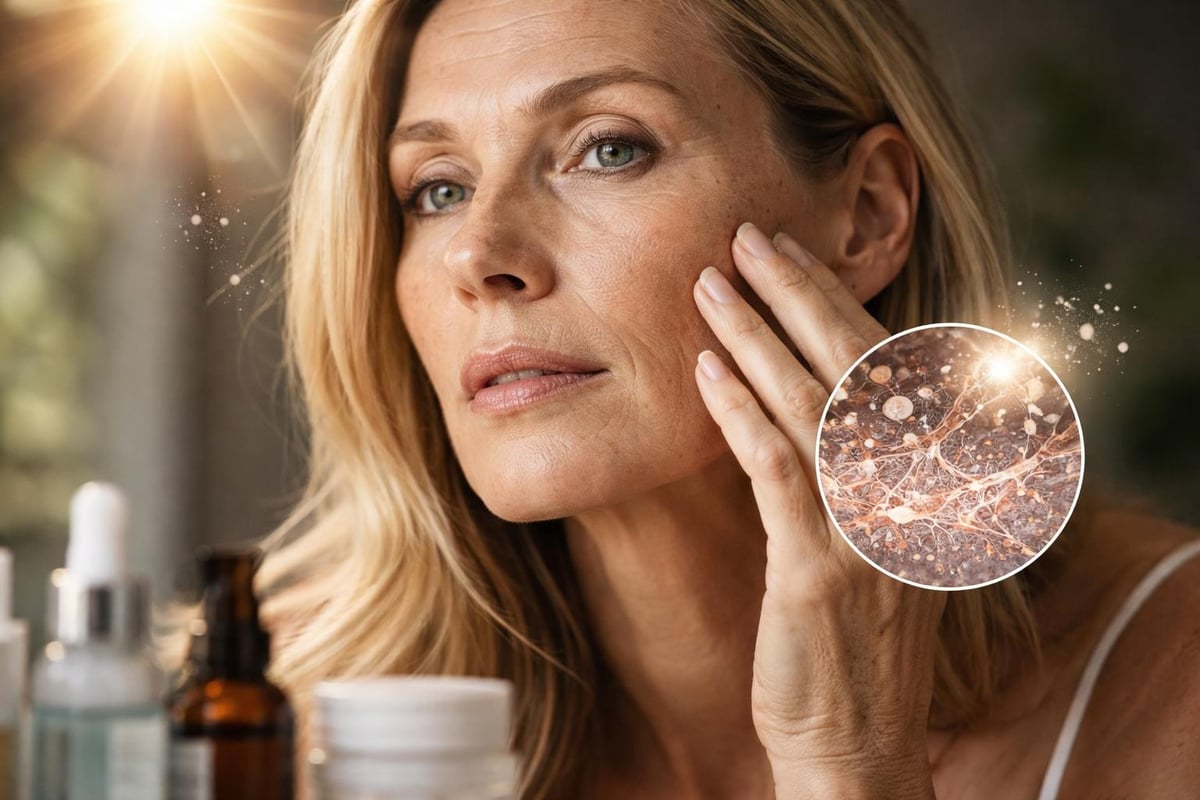
Skin ageing occurs through two primary mechanisms: intrinsic ageing and extrinsic ageing. Intrinsic ageing is the natural biological process that unfolds regardless of external factors, governed by genetics and hormonal changes. This process typically begins in our mid-twenties when collagen production starts to decline at approximately 1% per year.
Extrinsic ageing, conversely, results from environmental factors and lifestyle choices. Research published in scientific journals demonstrates that UV exposure accounts for up to 80% of visible facial ageing, making sun protection the most crucial anti-ageing strategy available.
The visible signs of ageing include:
- Fine lines and wrinkles, particularly around the eyes and mouth
- Loss of firmness and elasticity
- Uneven skin tone and hyperpigmentation
- Reduced radiance and dullness
- Enlarged pores and rough texture
- Dryness and decreased moisture retention
Understanding these mechanisms helps inform better decisions when selecting anti ageing skin products tailored to specific concerns and skin types.
Essential Ingredients in Effective Anti Ageing Formulations
The effectiveness of anti ageing skin products depends heavily on their active ingredient profile. Modern formulations incorporate both scientifically validated compounds and beneficial natural extracts to address multiple signs of ageing simultaneously.
Retinoids and Their Alternatives
Retinol remains the gold standard ingredient in anti-ageing skincare, supported by decades of clinical research. This vitamin A derivative accelerates cell turnover, stimulates collagen production, and reduces the appearance of fine lines. However, retinol can cause sensitivity in some users, particularly those with reactive skin.
For those seeking gentler alternatives, bakuchiol offers similar benefits without the irritation often associated with retinol. This plant-derived ingredient has gained recognition for its ability to improve skin texture and reduce wrinkles whilst being suitable for sensitive skin types. Those interested in comparing different approaches may find our guide on retinol vs botox particularly informative.
Antioxidants for Protection and Repair
Antioxidants neutralise free radicals that accelerate skin ageing through oxidative stress. Expert aestheticians recommend incorporating multiple antioxidants into your routine for comprehensive protection.
| Antioxidant | Primary Benefits | Best For |
|---|---|---|
| Vitamin C | Brightening, collagen synthesis | Dullness, pigmentation |
| Vitamin E | Moisturising, healing | Dryness, barrier repair |
| Niacinamide | Pore refinement, barrier support | Texture, redness |
| Green Tea Extract | Anti-inflammatory, protective | Sensitivity, environmental damage |
Peptides and Growth Factors
Peptides are short chains of amino acids that signal skin cells to perform specific functions, including collagen production and tissue repair. These ingredients work synergistically with other actives to enhance overall product efficacy and support skin's natural renewal processes.
Building an Effective Anti Ageing Routine
Creating a comprehensive skincare routine involves layering products strategically to maximise absorption and effectiveness. The sequence matters as much as the products themselves when addressing multiple signs of ageing.
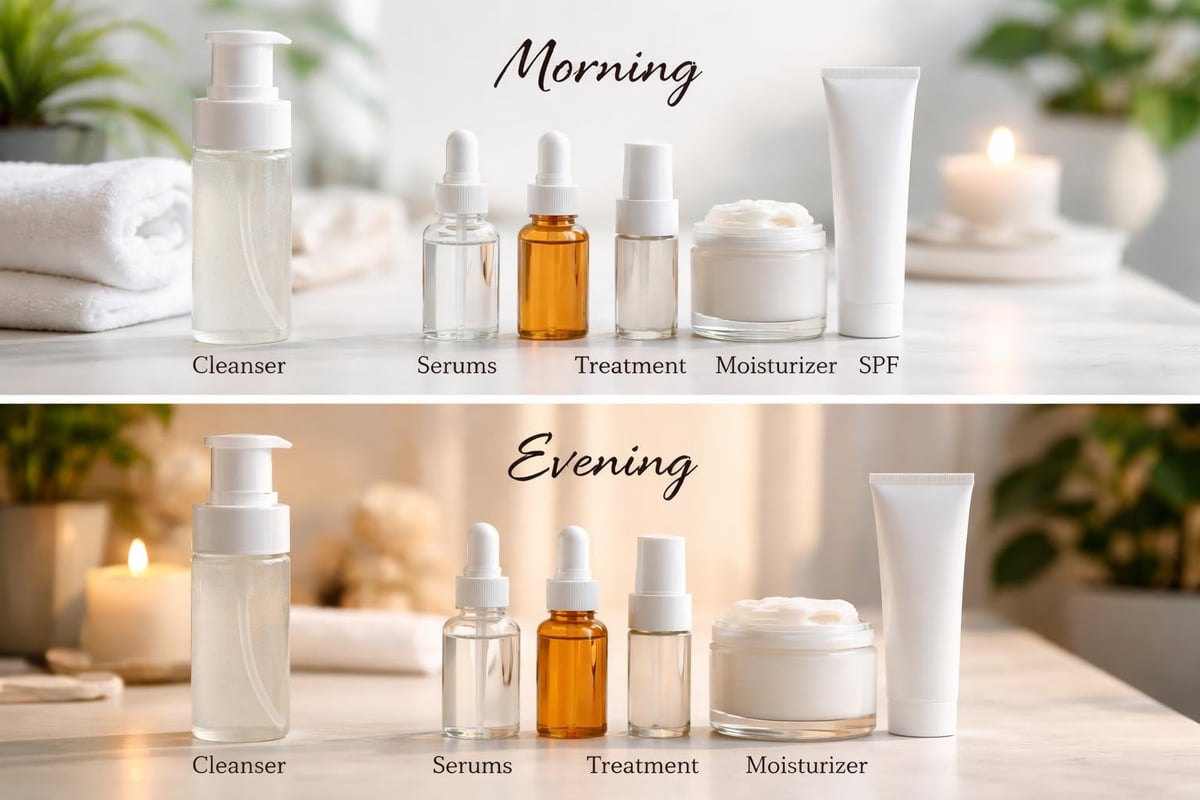
Morning Routine Structure:
- Gentle cleanser to remove overnight oils
- Antioxidant serum for daytime protection
- Eye cream targeting fine lines
- Moisturiser with peptides
- Broad-spectrum SPF 30 or higher
Evening Routine Structure:
- Double cleanse to remove makeup and sunscreen
- Exfoliating treatment (2-3 times weekly)
- Retinol or alternative active serum
- Hydrating essence or toner
- Rich night cream with repair ingredients
Consistency proves more valuable than using numerous products sporadically. Consumer Reports emphasises the importance of maintaining proper skin-care habits over time rather than seeking quick fixes.
Natural Ingredients That Combat Ageing
The integration of natural ingredients into anti ageing skin products reflects both consumer preference and scientific validation of botanical efficacy. Comprehensive research examining medicinal plants reveals over 215 species with proven anti-ageing properties through various molecular mechanisms.
Plant-Based Actives
Natural ingredients offer powerful benefits whilst being gentler on skin compared to some synthetic alternatives. Hyaluronic acid, derived from plant sources, holds up to 1,000 times its weight in water, providing exceptional hydration that plumps fine lines and improves skin texture.
Rosehip oil contains natural retinoids alongside essential fatty acids, offering regenerative benefits without the harshness of laboratory-synthesised retinol. Similarly, sea buckthorn and other botanical oils deliver antioxidants, vitamins, and nutrients that nourish ageing skin.
Marine Extracts and Algae
Marine ingredients have emerged as potent anti-ageing components due to their unique bioactive compounds. Red and blue algae contain polysaccharides that improve moisture retention, whilst certain seaweed extracts provide mineral-rich nourishment that supports cellular function and skin resilience.
Those interested in exploring natural skin care approaches will find that many effective anti ageing skin products now combine botanical wisdom with modern formulation science.
Addressing Specific Ageing Concerns
Different signs of ageing require targeted approaches with specific ingredient combinations. Understanding which products address your primary concerns ensures more effective results and better resource allocation within your skincare budget.
Fine Lines and Wrinkles
The most visible signs of ageing respond best to ingredients that boost collagen production and improve skin elasticity. Retinol, peptides, and vitamin C work synergistically to reduce the appearance of lines whilst preventing new ones from forming.
Products containing these actives should be applied consistently over several months, as cellular renewal and collagen synthesis occur gradually. Patience proves essential when using anti ageing skin products, with most users noticing visible improvements between 8-12 weeks of regular use.
Loss of Firmness and Sagging
Skin laxity results from decreased collagen and elastin production combined with gravitational effects over time. Ingredients that stimulate fibroblast activity, such as retinoids and certain peptides, help restore firmness when used consistently.
Facial massage techniques combined with appropriate products can enhance lymphatic drainage and improve product absorption, contributing to a more lifted appearance. Incorporating these practices into your routine amplifies the effectiveness of your anti ageing skin products.
Hyperpigmentation and Uneven Tone
Age spots and uneven pigmentation develop from cumulative sun exposure and hormonal changes. Brightening ingredients like vitamin C, niacinamide, and alpha arbutin inhibit melanin production whilst promoting cellular turnover to fade existing discolouration.
Consistent sun protection remains non-negotiable when addressing pigmentation, as UV exposure will continue triggering melanin production regardless of topical treatments applied.
The Science Behind Longevity Skincare
The concept of skin longevity extends beyond treating existing signs of ageing to preserving cellular health and preventing future damage. This approach focuses on maintaining skin's natural repair processes and resilience against environmental stressors.
Cellular Protection and Repair
Modern anti ageing skin products increasingly incorporate ingredients that support cellular function at the deepest levels. Antioxidants protect DNA from oxidative damage, whilst certain peptides enhance cellular communication and repair mechanisms.
Longevity serums represent an emerging category designed to preserve cellular vitality through advanced formulations that work with skin's natural biology rather than merely masking surface concerns.
Prevention vs Treatment
Starting anti-ageing routines earlier yields better long-term results than attempting to reverse significant damage later. Preventive care in your twenties and thirties proves far more effective than intensive treatments begun in your fifties.
Key preventive measures include:
- Daily broad-spectrum sun protection
- Antioxidant serums to neutralise environmental damage
- Gentle exfoliation to maintain cellular turnover
- Adequate hydration both topically and internally
- Avoiding smoking and excessive alcohol consumption
Advanced Ingredients and Emerging Technologies
The anti-ageing skincare landscape continues evolving as research reveals new mechanisms and ingredients. Recent dermatological recommendations highlight seven essential ingredients that deliver measurable results through multiple pathways.
Next-Generation Actives
Innovative ingredients entering the market include encapsulated retinol for enhanced stability and reduced irritation, along with biomimetic peptides that closely mimic natural skin proteins for superior compatibility and effectiveness.
Adaptogens, traditionally used in wellness practices, now appear in topical formulations to help skin resist stress-induced ageing. These botanical compounds support skin's resilience against environmental challenges whilst providing antioxidant protection.
Microbiome-Friendly Formulations
Understanding skin's microbiome has revolutionised anti-ageing formulation approaches. Products now incorporate prebiotics and probiotics that support beneficial bacteria, enhancing skin barrier function and reducing inflammation that accelerates ageing processes.
For those seeking comprehensive facial care solutions, formulations that respect and nourish the skin microbiome offer superior long-term benefits compared to harsh treatments that disrupt this delicate ecosystem.
Choosing the Right Products for Your Skin Type
Selecting appropriate anti ageing skin products requires understanding your skin type and specific concerns. What works brilliantly for one person may prove unsuitable for another due to differences in skin characteristics and sensitivities.
Dry and Mature Skin
Dry skin benefits from rich, nourishing formulations containing ceramides, hyaluronic acid, and plant oils. These ingredients replenish moisture whilst supporting barrier function, which naturally declines with age.
Look for cream-based products rather than lightweight gels, and consider incorporating facial oils as the final step in your evening routine to seal in hydration and active ingredients applied earlier.
Oily and Combination Skin
Contrary to popular belief, oily skin still requires proper hydration and benefits significantly from anti ageing skin products. Lightweight serums and gel moisturisers containing niacinamide help regulate sebum production whilst delivering anti-ageing benefits.
Retinol proves particularly effective for oily skin types, as it helps refine pores and control excess oil production alongside its anti-ageing properties. Start with lower concentrations to assess tolerance before gradually increasing strength.
Sensitive and Reactive Skin
Sensitive skin requires gentle yet effective formulations that avoid common irritants whilst still delivering results. Plant-based alternatives to retinol, such as bakuchiol, offer excellent options for those who cannot tolerate traditional retinoids.
Fragment hyaluronic acid and soothing ingredients like allantoin and centella asiatica provide hydration and anti-ageing benefits without triggering sensitivity. Patch testing new products remains essential for reactive skin types.
Understanding Product Formulation and Quality
The efficacy of anti ageing skin products depends not only on ingredient selection but also on formulation quality, concentration, and delivery systems. The science behind how these products work reveals the complexity involved in creating effective solutions.
Active Ingredient Concentrations
Therapeutic concentrations vary by ingredient, and more isn't always better. Vitamin C proves most effective between 10-20%, whilst retinol concentrations typically range from 0.25% for beginners to 1% for experienced users. Exceeding optimal concentrations often increases irritation without proportional benefits.
Quality formulations list active ingredients prominently and provide concentration information, allowing informed decisions about product selection and layering within your routine.
Packaging and Stability
Active ingredients degrade when exposed to light and air, rendering them ineffective over time. Superior anti ageing skin products utilise airless pumps, opaque containers, or amber glass to preserve ingredient integrity throughout the product's lifespan.
Consider how products are packaged when evaluating options, as even the most potent formulations prove worthless if ingredients have oxidised before application. Proper storage away from direct sunlight and heat further extends product effectiveness.
Integrating Anti Ageing Care into Holistic Wellness
Topical products represent just one component of comprehensive anti-ageing strategies. Research consistently demonstrates that lifestyle factors significantly influence skin health and ageing progression alongside product use.
Nutrition and Hydration
Internal nourishment directly impacts skin appearance and resilience. Consuming adequate protein supports collagen production, whilst antioxidant-rich foods combat oxidative stress from within. Omega-3 fatty acids maintain skin barrier function and reduce inflammation that accelerates ageing.
Drinking sufficient water proves essential for maintaining skin hydration and supporting cellular processes. Whilst topical products provide external moisture, internal hydration ensures cells function optimally and skin maintains its plumpness and glow.
Sleep and Stress Management
Quality sleep allows skin to undergo critical repair processes that occur primarily during rest. Growth hormone release peaks during deep sleep, facilitating cellular regeneration and collagen synthesis that maintain youthful skin appearance.
Chronic stress elevates cortisol levels, which breaks down collagen and impairs skin barrier function. Managing stress through mindfulness, exercise, or relaxation practices complements anti ageing skin products by creating optimal conditions for skin health and renewal.
Lifestyle Habits That Support Skin Health
Regular exercise improves circulation, delivering oxygen and nutrients to skin cells whilst removing waste products. This enhanced blood flow contributes to improved skin tone and radiance beyond what topical products alone can achieve.
Avoiding smoking and limiting alcohol consumption proves crucial, as both habits accelerate skin ageing through multiple mechanisms including reduced oxygen delivery, dehydration, and increased oxidative stress.
Maximising Results from Your Anti Ageing Routine
Achieving optimal outcomes from anti ageing skin products requires strategic application techniques and realistic expectations. Understanding what these products can and cannot accomplish helps set appropriate goals whilst maintaining motivation throughout your skincare journey.
Application Techniques for Enhanced Absorption
Proper application maximises product penetration and effectiveness. Applying serums to damp skin increases absorption, whilst gentle upward massage motions support lymphatic drainage and prevent dragging that can contribute to skin laxity over time.
Allow adequate time between product layers for absorption before applying subsequent products. Rushing through your routine reduces effectiveness as products don't penetrate properly when applied too quickly in succession.
Realistic Timelines and Expectations
Visible improvements from anti ageing skin products typically emerge gradually over weeks and months rather than days. Cell turnover cycles last approximately 28 days in younger skin and lengthen with age, meaning results become apparent only after multiple renewal cycles.
Setting realistic expectations prevents disappointment and helps maintain consistency, which proves more valuable than any single product or ingredient. Patience and dedication yield the best long-term outcomes for skin health and appearance.
Professional-Grade Ingredients in Accessible Formulations
Advanced anti-ageing ingredients previously available only through dermatologists or aesthetic practitioners now appear in high-quality retail products. This democratisation of effective skincare allows more people to access proven ingredients without requiring professional intervention.
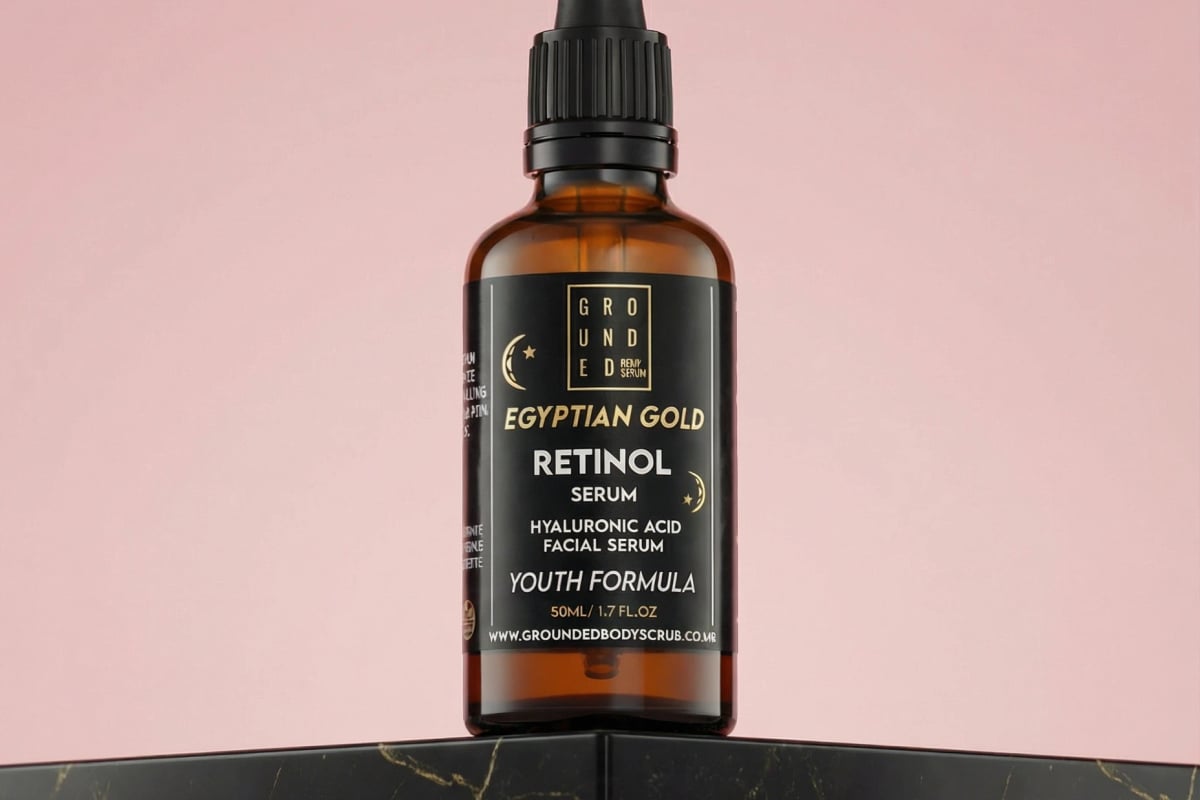
Retinol serums designed to target wrinkles, fine lines, loss of collagen, and dryness deliver professional-grade results when formulated properly with supporting ingredients that enhance tolerance and effectiveness. These products work by accelerating cellular renewal whilst stimulating collagen production at the dermal level.
For those seeking sophisticated formulations with proven ingredients, options like the Egyptian Gold Retinol Serum combine potent actives with nourishing natural ingredients to address multiple signs of ageing simultaneously whilst supporting overall skin health.
Seasonal Adjustments to Your Anti Ageing Routine
Skin's needs change throughout the year in response to environmental conditions, requiring strategic adjustments to product selection and application. Recognising these seasonal variations ensures your anti ageing skin products remain optimally effective year-round.
Winter Care Considerations
Cold temperatures and low humidity during winter months compromise skin barrier function, leading to increased dryness and sensitivity. Switching to richer moisturisers and incorporating facial oils helps combat moisture loss whilst maintaining anti-ageing benefits.
Retinol tolerance may decrease during winter due to compromised barriers, suggesting temporary concentration reduction or less frequent application until conditions improve. Maintaining consistent sun protection remains essential despite reduced UV intensity, as winter sun still contributes to photoageing.
Summer Skincare Adaptations
Increased humidity and temperature during summer often allow transitioning to lighter textures without sacrificing hydration. Gel-based moisturisers and lightweight serums provide necessary ingredients whilst feeling more comfortable in warm conditions.
Higher UV levels demand heightened sun protection vigilance, as summer sun exposure can undo months of anti-ageing product benefits within weeks. Layering antioxidant serums beneath SPF provides enhanced protection against photoageing during peak sun intensity months.
Combining Treatments for Comprehensive Results
Synergistic ingredient combinations deliver superior results compared to single-ingredient approaches. Understanding which actives complement each other and which require separation helps construct maximally effective routines without causing irritation or reducing efficacy.
Compatible Ingredient Pairings
Certain combinations enhance overall effectiveness through complementary mechanisms. Vitamin C and vitamin E work synergistically as antioxidants, providing broader protection than either ingredient alone. Similarly, niacinamide pairs well with most ingredients, improving barrier function whilst delivering its own anti-ageing benefits.
Hyaluronic acid enhances the effectiveness of other actives by improving skin hydration, creating optimal conditions for ingredient penetration and cellular function. Including this humectant in routines amplifies benefits from retinoids, peptides, and other anti ageing skin products.
Ingredients to Separate
Some powerful actives should not be combined due to incompatibility or increased irritation risk. Retinol and vitamin C often work better when applied at different times (retinol evening, vitamin C morning) to prevent potential pH conflicts and reduce sensitivity.
AHA/BHA exfoliants combined with retinol may prove too aggressive for many skin types, particularly when starting anti-ageing routines. Alternating these treatments on different evenings allows both ingredients to deliver benefits without overwhelming skin's tolerance capacity.
For those developing comprehensive body care routines, extending anti-ageing strategies beyond facial care ensures consistent skin health and appearance across all visible areas.
Evaluating Product Performance and Making Adjustments
Assessing whether anti ageing skin products deliver promised results requires systematic evaluation over appropriate timeframes. Documenting your skin's condition through photographs and notes helps track genuine progress rather than relying on potentially biased perception.
Tracking Progress Effectively
Taking consistent photographs under similar lighting conditions monthly provides objective documentation of changes occurring gradually over time. Comparing images from 8-12 weeks prior often reveals improvements not apparent in daily mirror observations.
Noting specific concerns like fine line depth, pigmentation intensity, or texture issues at routine outset establishes baselines against which to measure progress. This structured approach identifies which products truly benefit your skin versus those providing no measurable improvement.
When to Modify Your Routine
Skin adapts to products over time, occasionally requiring formulation changes to continue seeing results. If progress plateaus after 6-12 months of consistent use, consider increasing active ingredient concentrations or incorporating new ingredients that address concerns through different mechanisms.
Conversely, increased sensitivity or irritation suggests scaling back active concentrations or application frequency. Your anti-ageing skincare routine should enhance skin health rather than compromise it, requiring adjustments when products cause persistent problems.
Developing an effective anti-ageing skincare routine combines scientific understanding with consistent application of quality products tailored to your unique needs. By selecting anti ageing skin products with proven ingredients, maintaining realistic expectations, and supporting topical care with healthy lifestyle practices, you can achieve significant improvements in skin health and appearance over time. Grounded Body offers carefully formulated natural skincare solutions designed to nourish and rejuvenate your skin using effective ingredients that deliver visible results whilst respecting your skin's natural balance and long-term health.