
Anti Ageing Skincare Products: A Comprehensive Guide
The pursuit of youthful, radiant skin has driven the skincare industry to develop increasingly sophisticated formulations designed to address the visible signs of ageing. As we navigate through 2026, the market for anti ageing skincare products continues to expand, offering consumers an extensive array of serums, creams, and treatments that promise to turn back the clock. Understanding which ingredients deliver genuine results and how to incorporate them into a cohesive routine has become essential for anyone seeking to maintain healthy, vibrant skin throughout the decades. This comprehensive guide explores the science behind effective anti ageing formulations, the key ingredients that make a measurable difference, and practical strategies for building a skincare routine that addresses your unique concerns.
Understanding How Ageing Affects Your Skin
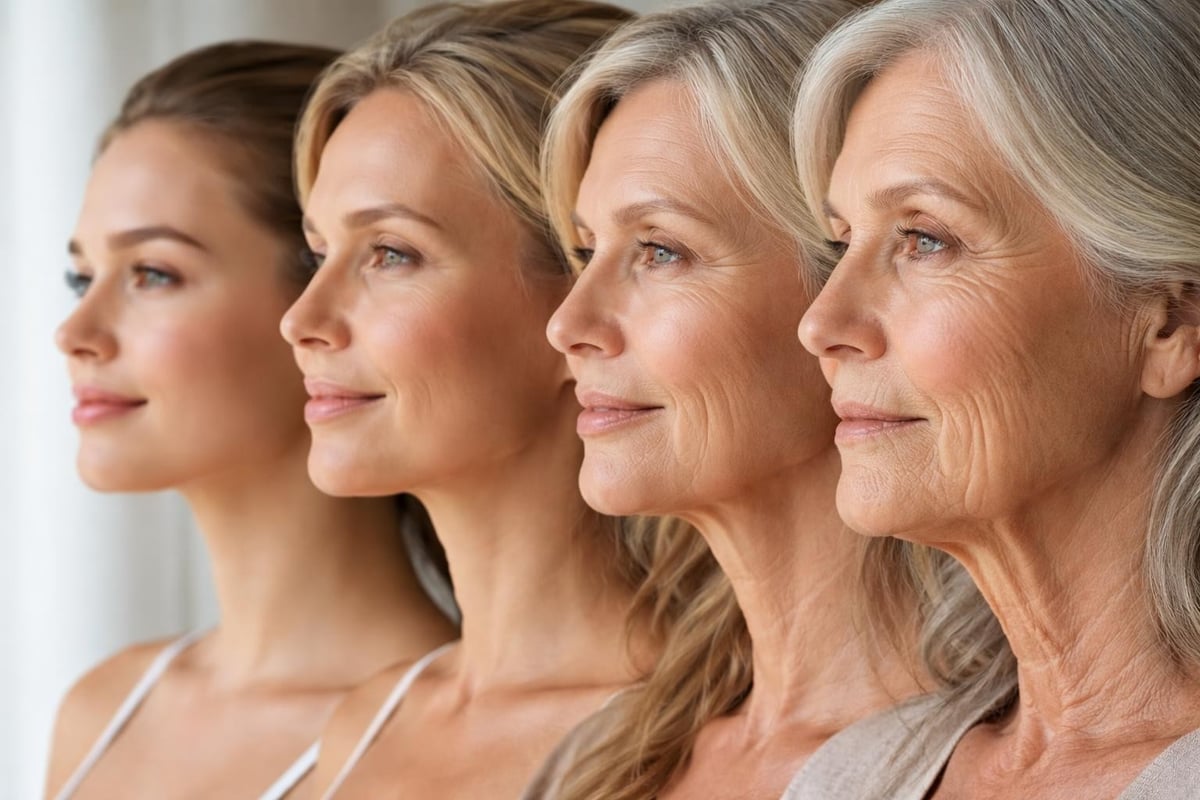
The ageing process manifests differently across various skin types and is influenced by both intrinsic and extrinsic factors. Intrinsic ageing occurs naturally over time as cellular renewal slows, collagen production diminishes, and skin loses its structural integrity. This biological process typically becomes noticeable in our late twenties and accelerates throughout our thirties and beyond.
Extrinsic ageing, conversely, results from environmental stressors such as ultraviolet radiation, pollution, and lifestyle choices. These external factors generate free radicals that damage cellular structures and accelerate the breakdown of collagen and elastin fibres. The cumulative effect of both ageing types creates the visible signs we associate with mature skin: fine lines, wrinkles, uneven texture, and reduced firmness.
Collagen Depletion and Structural Changes
Collagen serves as the primary structural protein in skin, providing firmness and resilience. From our mid-twenties onwards, collagen production decreases by approximately 1% annually. This gradual depletion leads to thinner skin that's more susceptible to creasing and sagging.
Elastin fibres, which allow skin to snap back after stretching, similarly degrade over time. The combination of reduced collagen and damaged elastin creates the characteristic loss of bounce and tautness associated with ageing skin.
Cellular Turnover and Surface Texture
Younger skin regenerates approximately every 28 days, constantly shedding dead cells and revealing fresh, luminous skin beneath. As we age, this renewal cycle extends to 40-60 days or longer, causing dead cells to accumulate on the surface. This build-up contributes to dullness, rough texture, and an uneven complexion.
The skin's natural moisture retention capacity also diminishes with age. Hyaluronic acid levels decline, leading to dehydration and the accentuation of fine lines. This moisture deficit affects how light reflects off the skin surface, reducing that coveted youthful glow.
Key Ingredients in Anti Ageing Skincare Products
Selecting effective anti ageing skincare products requires understanding which ingredients deliver scientifically proven results. Research into longevity serums has identified several compounds that demonstrate measurable benefits in clinical studies.
Retinoids: The Gold Standard
Retinoids remain the most extensively researched and clinically validated ingredients for addressing multiple signs of ageing. These vitamin A derivatives work by accelerating cellular turnover, stimulating collagen synthesis, and regulating melanin production.
Benefits of retinoid use include:
- Reduction in fine lines and wrinkles
- Improved skin texture and tone
- Enhanced collagen production
- Minimised appearance of pores
- Faded hyperpigmentation
Different retinoid forms offer varying potency levels. Prescription-strength tretinoin delivers the most dramatic results but may cause significant irritation. Over-the-counter retinol provides a gentler alternative whilst still offering substantial benefits. Newer derivatives like bakuchiol offer comparable results with minimal sensitivity, making them suitable for those with reactive skin.
Vitamin C: Brightening and Protection
L-ascorbic acid (vitamin C) functions as both an antioxidant and a collagen-boosting ingredient. This powerhouse component neutralises free radicals before they can damage cellular structures whilst simultaneously supporting the skin's natural collagen production processes.
When formulated correctly at concentrations between 10-20%, vitamin C delivers visible improvements in skin brightness, evenness, and firmness. The ingredient also provides photoprotective benefits, though it should never replace dedicated sun protection.
| Ingredient | Primary Function | Concentration | Skin Type Suitability |
|---|---|---|---|
| Retinol | Collagen synthesis, cell turnover | 0.25-1% | All types (start low) |
| Vitamin C | Antioxidant, brightening | 10-20% | All types |
| Hyaluronic Acid | Hydration, plumping | 1-2% | All types |
| Peptides | Collagen support | Varies | All types |
| Niacinamide | Barrier repair, pore refinement | 5-10% | All types, especially oily |
Peptides: Cellular Communication
Peptides are short chains of amino acids that act as cellular messengers, signaling skin cells to perform specific functions. Different peptide types target various aspects of skin ageing, from stimulating collagen production to reducing muscle contraction that leads to expression lines.
These ingredients work particularly well when combined with other actives, creating synergistic effects that enhance overall efficacy. Peptide-rich formulations support skin's structural integrity whilst promoting a smoother, more refined appearance.
Building an Effective Anti Ageing Routine
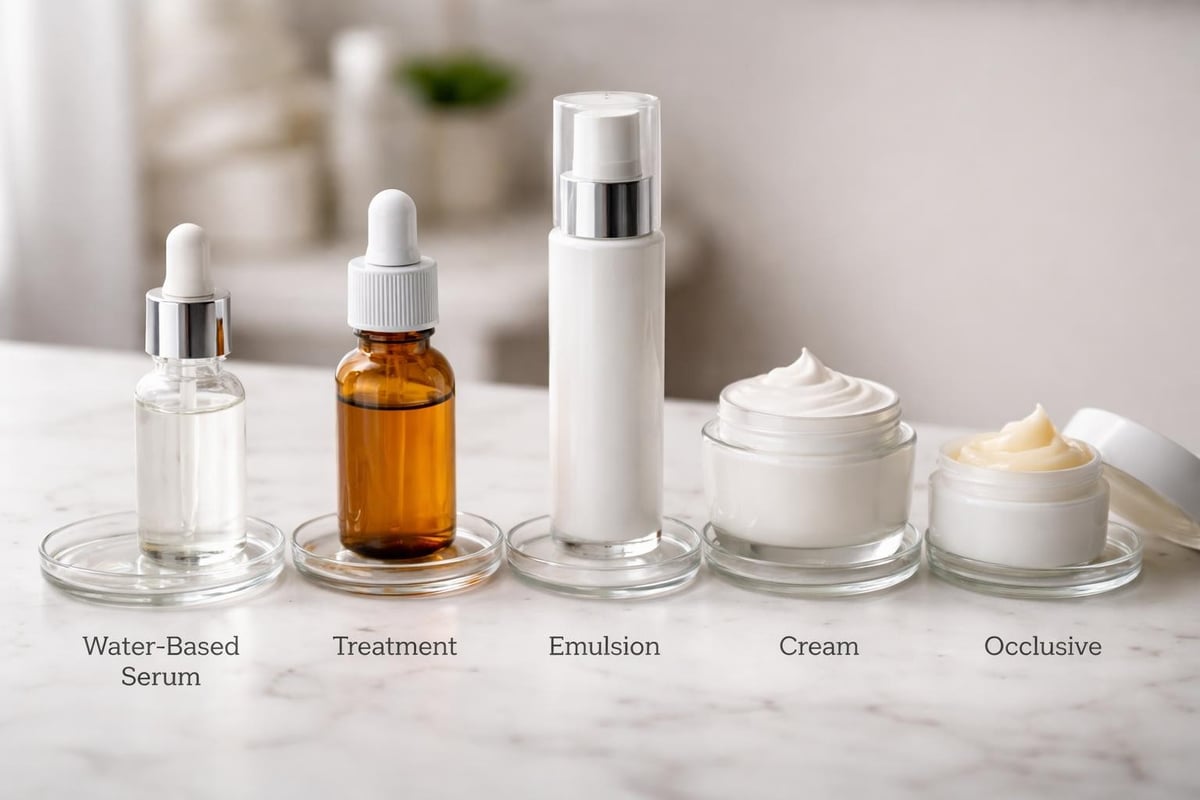
Constructing a comprehensive skincare routine requires strategic layering of products to maximise ingredient absorption and effectiveness. The sequence in which you apply products significantly impacts their ability to penetrate skin and deliver results.
Morning Protocol
Your morning routine should focus on protection against environmental stressors whilst providing hydration and creating a smooth canvas for makeup application.
- Gentle cleanser to remove overnight oils without stripping skin
- Vitamin C serum to neutralise free radicals and brighten
- Hydrating serum with hyaluronic acid to plump and moisturise
- Eye cream targeting fine lines and dark circles
- Moisturiser appropriate for your skin type
- Broad-spectrum SPF 30+ as the final and non-negotiable step
Sun protection remains the single most important step in preventing premature ageing. Ultraviolet exposure drives the majority of visible skin ageing, making daily SPF application essential regardless of weather or season.
Evening Protocol
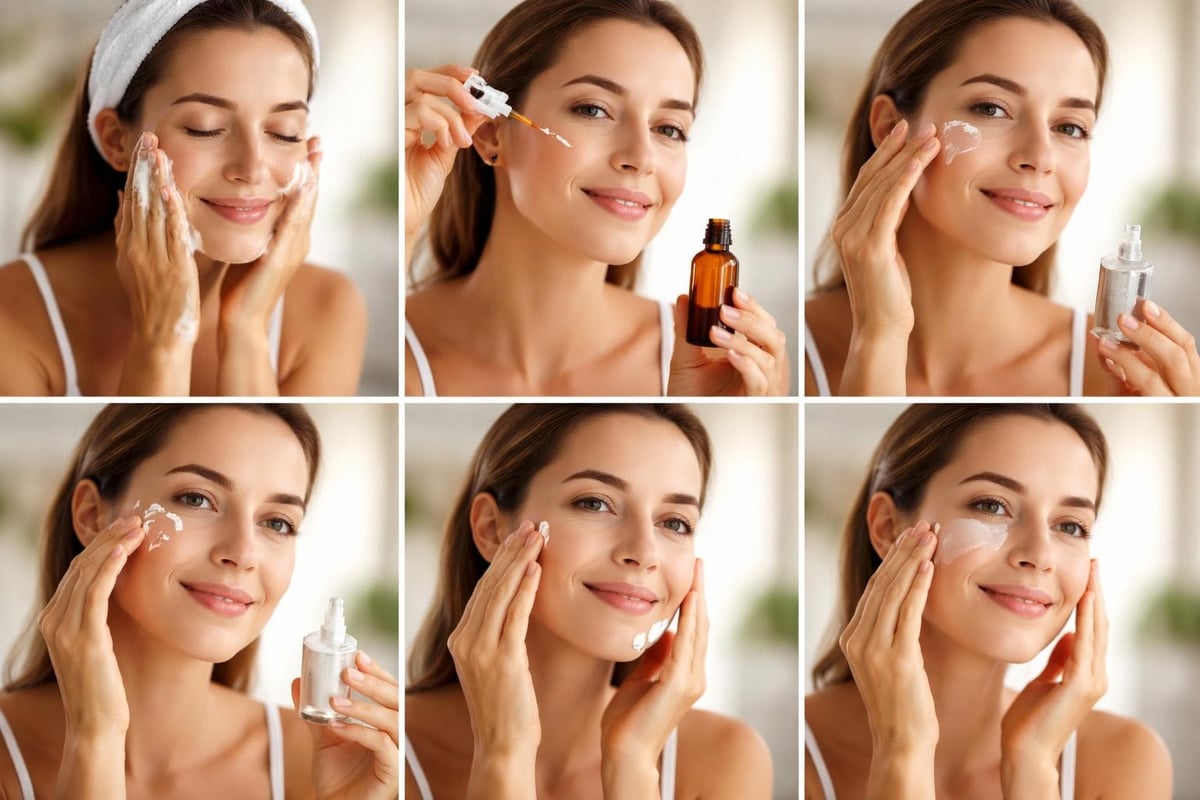
Night-time routines allow for more intensive treatment products as skin enters its natural repair mode during sleep. This is when you'll incorporate your most potent actives.
Evening application sequence:
- Double cleanse (oil-based followed by water-based cleanser)
- Exfoliating toner or treatment (2-3 times weekly)
- Targeted serum (retinol, peptides, or growth factors)
- Eye treatment
- Rich moisturiser or facial oil
- Overnight mask (optional, 1-2 times weekly)
For those new to retinoids, begin with applications twice weekly, gradually increasing frequency as your skin builds tolerance. Always follow retinol with adequate moisturisation to minimise potential dryness or flaking.
Addressing Specific Concerns with Targeted Treatments
Different signs of ageing require tailored approaches. Whilst a comprehensive routine benefits overall skin health, adding targeted treatments can accelerate improvement in specific problem areas.
Fine Lines and Wrinkles
Expression lines around the eyes, forehead, and mouth typically appear first. Products containing retinol, peptides, and growth factors work synergistically to smooth these creases by boosting collagen and improving skin thickness.
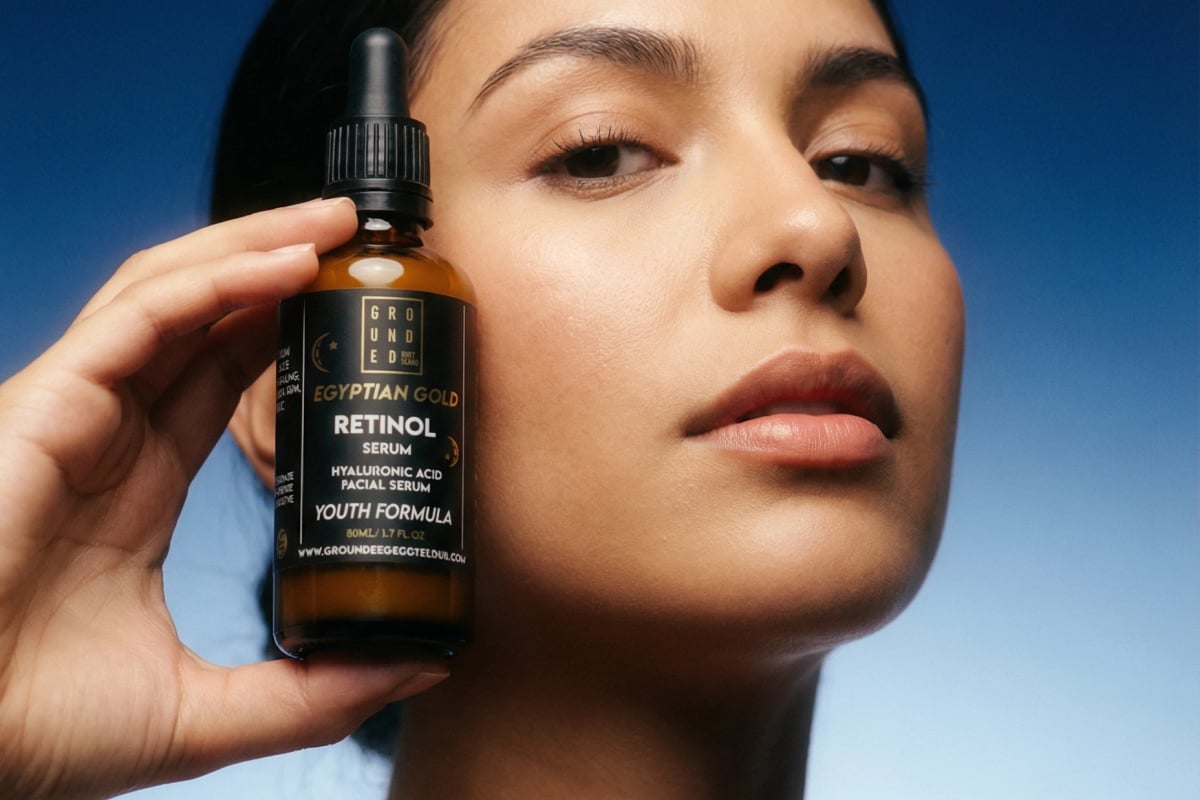
For those seeking powerful solutions to combat these visible signs, formulations that combine proven actives deliver remarkable results. A well-formulated retinol serum can transform skin texture, diminish fine lines, and restore a more youthful appearance through consistent use.
Loss of Firmness and Elasticity
Sagging skin requires ingredients that support structural proteins. Look for products featuring peptides, growth factors, and antioxidants that protect existing collagen whilst encouraging new synthesis. Consistent use over several months yields the most noticeable improvements in skin density and resilience.
Hyperpigmentation and Uneven Tone
Dark spots and discolouration respond well to ingredients that inhibit melanin production or accelerate cell turnover. Vitamin C, niacinamide, and alpha hydroxy acids (AHAs) all address pigmentation through different mechanisms, making them excellent companions in a comprehensive routine.
According to dermatologist recommendations, combining multiple brightening ingredients often delivers superior results compared to using single actives alone.
Natural Ingredients in Anti Ageing Formulations
The efficacy of anti ageing skincare products doesn't solely depend on laboratory-synthesised compounds. Many botanical extracts and naturally derived ingredients offer powerful antioxidant, anti-inflammatory, and skin-supporting properties.
Plant-Based Actives
Natural ingredients provide gentle yet effective alternatives for those seeking clean formulations. Bakuchiol, derived from the babchi plant, demonstrates retinol-like benefits without associated sensitivity. Green tea extract offers potent antioxidant protection, whilst rosehip oil delivers essential fatty acids and vitamins that support skin regeneration.
Niacinamide, though often synthesised, occurs naturally in various foods and provides multiple benefits including improved barrier function, reduced inflammation, and enhanced ceramide production. This versatile ingredient suits virtually all skin types and concerns.
Botanical Oils and Extracts
Cold-pressed plant oils rich in omega fatty acids, vitamins, and phytonutrients nourish mature skin whilst delivering active compounds. Argan oil, rosehip seed oil, and sea buckthorn oil contain high concentrations of vitamin E, carotenoids, and essential fatty acids that support skin health and repair.
These natural emollients work beautifully in facial care formulations that prioritise both efficacy and skin compatibility. When combined with targeted actives, botanical ingredients enhance overall formula performance whilst providing luxurious sensorial experiences.
When to Start Using Anti Ageing Skincare Products
The question of timing generates considerable debate within the skincare community. Recent trends show younger consumers incorporating anti ageing products into their routines earlier than previous generations, sometimes as early as their late teens or early twenties.
Prevention Versus Correction
While aggressive anti-ageing treatments aren't necessary in your twenties, establishing protective habits early provides long-term benefits. Daily sun protection, consistent hydration, and gentle exfoliation create a strong foundation for maintaining youthful skin.
Introducing active ingredients in your late twenties or early thirties, when collagen production begins declining, makes strategic sense. Starting with lower concentrations of proven ingredients like retinol allows your skin to adapt whilst delivering preventative benefits.
Age-Appropriate Formulations
| Age Range | Primary Concerns | Recommended Ingredients | Application Frequency |
|---|---|---|---|
| 20s-early 30s | Prevention, hydration, sun damage | Vitamin C, SPF, hyaluronic acid | Daily |
| Mid 30s-40s | Fine lines, texture, tone | Retinol, peptides, AHAs | Retinol 2-3x weekly |
| 50s+ | Deep wrinkles, firmness, density | Retinoids, growth factors, rich moisturisers | Retinol nightly (if tolerated) |
Adjusting your routine as your skin's needs evolve ensures you're addressing current concerns whilst preventing future damage. What works beautifully in your thirties may require modification in your fifties as skin becomes thinner and drier.
Common Mistakes in Anti Ageing Skincare
Even with the best intentions, certain practices undermine the effectiveness of anti ageing skincare products or potentially damage skin health.
Over-Exfoliation
Excessive use of physical scrubs or chemical exfoliants strips the skin's protective barrier, leading to increased sensitivity, dehydration, and inflammation. This compromised barrier actually accelerates visible ageing rather than preventing it.
Signs of over-exfoliation include:
- Persistent redness or irritation
- Increased sensitivity to products
- Tight, uncomfortable feeling
- Shiny, almost translucent appearance
- Unexpected breakouts
Limit exfoliation to 2-3 times weekly, and never combine multiple exfoliating products in a single routine. If using retinol, reduce additional exfoliation to prevent excessive irritation.
Inconsistent Application
Anti ageing skincare products require consistent use over extended periods to deliver visible results. Applying retinol sporadically or switching products every few weeks prevents ingredients from accumulating the benefits that become apparent after 8-12 weeks of regular use.
Patience and consistency trump sporadic use of numerous products. Select a focused routine addressing your primary concerns, commit to it for at least three months, and only then evaluate its effectiveness.
Neglecting Sun Protection
No amount of anti ageing skincare products can compensate for inadequate sun protection. Ultraviolet radiation remains the primary driver of premature ageing, breaking down collagen, creating pigmentation, and damaging cellular DNA.
Understanding anti-aging products includes recognising that prevention through daily broad-spectrum SPF application delivers more significant long-term benefits than any treatment product applied without adequate photoprotection.
Complementary Lifestyle Factors
While topical products deliver measurable improvements, holistic approaches to skin health amplify their effectiveness. Several lifestyle factors significantly impact how quickly skin ages and how well it responds to treatment products.
Nutrition and Hydration
Internal nutrition directly affects skin quality. Adequate protein intake supports collagen synthesis, whilst omega-3 fatty acids reduce inflammation and maintain cell membrane integrity. Antioxidant-rich foods neutralise free radicals before they damage skin cells.
Water consumption influences skin hydration levels, though topical moisturisers remain essential regardless of water intake. Aim for a balanced diet rich in vegetables, fruits, quality proteins, and healthy fats to support skin from within.
Sleep Quality
During sleep, skin enters repair mode, increasing cellular regeneration and collagen production. Chronic sleep deprivation impairs these processes, accelerating visible ageing and reducing the efficacy of topical treatments.
Seven to nine hours of quality sleep nightly allows skin adequate time for repair processes. Using silk pillowcases reduces friction-induced creasing and moisture loss whilst you sleep.
Stress Management
Chronic stress elevates cortisol levels, which breaks down collagen, impairs barrier function, and triggers inflammatory responses. These effects manifest as accelerated ageing, increased sensitivity, and various skin concerns.
Incorporating stress-reduction practices such as meditation, exercise, or creative pursuits supports overall wellbeing whilst benefiting skin health. The mind-skin connection plays a more significant role in visible ageing than many people realise.
Ingredient Interactions and Product Layering
Understanding which ingredients work synergistically and which combinations to avoid prevents irritation whilst maximising efficacy. Strategic layering amplifies benefits without overwhelming skin.
Beneficial Combinations
Certain ingredient pairings create enhanced results through complementary mechanisms:
- Vitamin C + Vitamin E + Ferulic Acid: This antioxidant trio provides superior photoprotection and free radical neutralisation
- Retinol + Peptides: Retinol stimulates collagen whilst peptides support the process through cellular signaling
- Niacinamide + Hyaluronic Acid: Barrier support combined with hydration for plump, resilient skin
- AHAs + Hyaluronic Acid: Exfoliation followed by intensive hydration prevents dryness
Combinations to Avoid
Some ingredient pairings create instability, reduce effectiveness, or increase irritation potential:
Incompatible combinations:
- Retinol + Vitamin C (use at different times of day)
- Retinol + AHAs/BHAs (excessive exfoliation)
- Vitamin C + Niacinamide (debate exists, but some formulations show reduced stability)
- Multiple strong actives simultaneously (choose one hero active per routine)
When introducing new products, add one at a time with at least two weeks between additions. This approach allows you to identify which products deliver benefits and which might cause sensitivity.
Professional Treatments Versus At-Home Products
While topical anti ageing skincare products deliver substantial improvements, professional treatments can address certain concerns more dramatically. Understanding when at-home care suffices and when professional intervention provides superior results helps you allocate resources effectively.
At-Home Product Strengths
Daily topical products excel at prevention, maintenance, and gradual improvement. Consistent use of proven ingredients like retinol, vitamin C, and peptides delivers measurable benefits over time without the expense or downtime of professional procedures.
Quality skincare formulations incorporating natural ingredients and proven actives provide accessible, effective solutions for addressing multiple signs of ageing. The cumulative effect of daily application creates lasting improvements in skin quality, texture, and appearance.
When to Consider Professional Options
Deep wrinkles, significant volume loss, and advanced sun damage may benefit from professional treatments that deliver more dramatic results. These interventions work best when combined with excellent at-home care that maintains and enhances professional treatment outcomes.
However, establishing a solid foundation with effective topical products remains essential regardless of whether you pursue professional treatments. No in-office procedure can compensate for poor daily skincare habits or inadequate sun protection.
Evaluating Product Claims and Marketing
The skincare industry generates substantial revenue through anti ageing products, leading to marketing claims that sometimes exceed scientific evidence. Developing critical evaluation skills helps you distinguish genuine efficacy from clever marketing.
Research into beauty brand language reveals patterns in how products are marketed versus their actual performance. Look for formulations backed by clinical studies, appropriate active ingredient concentrations, and realistic timeframes for results.
Red Flags in Product Claims
Be sceptical of products promising:
- Immediate wrinkle elimination
- Results equivalent to injectable treatments
- "Miracle" ingredients with no scientific backing
- Reversal of decades of sun damage in weeks
- Universal solutions for all skin types and concerns
Legitimate products acknowledge that visible improvements require consistent use over 8-12 weeks minimum. They provide realistic expectations about the degree of improvement possible through topical application.
Evidence-Based Selection
Prioritise products that disclose active ingredient concentrations, provide clinical study data, and maintain transparency about realistic outcomes. Expert-curated guides to anti-aging ingredients offer valuable insights into which compounds demonstrate proven efficacy.
Reading ingredient lists rather than marketing copy reveals whether a product contains meaningful concentrations of active ingredients or merely includes them for label appeal. Actives should appear within the first five to seven ingredients to ensure adequate concentration.
Adapting Your Routine to Seasonal Changes
Environmental conditions affect skin behaviour throughout the year, requiring adjustments to your anti ageing skincare products and routine to maintain optimal results.
Winter Modifications
Cold weather and indoor heating create harsh conditions that strip moisture from skin. During winter months, emphasise hydration and barrier protection:
- Switch to cream-based cleansers instead of foaming formulas
- Layer hydrating serums under richer moisturisers
- Reduce exfoliation frequency to prevent over-drying
- Add facial oils to lock in moisture
- Continue daily SPF despite reduced sun exposure
Summer Adjustments
Increased heat, humidity, and sun exposure require lighter formulations and enhanced protection:
- Use gel or lotion-based moisturisers instead of heavy creams
- Increase SPF application frequency and reapply every two hours
- Incorporate antioxidant serums for additional photoprotection
- Maintain retinol use but consider lower concentrations if increased sun exposure is unavoidable
- Add lightweight hydrating mists throughout the day
These seasonal modifications ensure your routine continues addressing ageing concerns whilst adapting to environmental conditions that impact skin behaviour.
Long-Term Commitment and Realistic Expectations
Achieving and maintaining healthy, youthful-looking skin requires viewing anti ageing skincare products as part of a lifelong commitment rather than a quick fix. Understanding realistic timelines and outcomes prevents disappointment whilst encouraging consistent habits.
Timeline for Visible Results
Different ingredients and concerns show improvement at varying rates:
| Concern | Typical Timeline | Key Ingredients |
|---|---|---|
| Hydration/plumpness | 1-2 weeks | Hyaluronic acid, glycerin |
| Brightness/radiance | 4-6 weeks | Vitamin C, AHAs |
| Fine lines | 8-12 weeks | Retinol, peptides |
| Texture improvement | 8-12 weeks | Retinoids, AHAs |
| Deep wrinkles | 6-12 months | Retinoids, peptides, growth factors |
| Firmness | 6-12 months | Peptides, retinoids |
Patience remains essential. The skin's natural renewal cycle means visible improvements accumulate gradually rather than appearing overnight. Consistent application over months yields far superior results compared to sporadic use of the most expensive products.
Celebrating Incremental Progress
Rather than fixating on dramatic transformation, recognise and appreciate subtle improvements. Better skin texture, enhanced radiance, or reduced fine lines represent meaningful progress even if deep wrinkles remain present.
Photography taken in consistent lighting every four weeks provides objective documentation of changes that occur too gradually to notice day-to-day. This visual evidence helps maintain motivation during the extended periods required for significant improvement.
Building an effective anti-ageing skincare routine centres on understanding which ingredients deliver proven results, how to layer products strategically, and maintaining consistency over time. The most successful approaches combine targeted actives with protective measures like daily SPF and healthy lifestyle habits. For those seeking natural, effective solutions to visible signs of ageing, explore how Grounded Body combines proven active ingredients with nourishing botanical extracts to support your skin's health and vitality at every stage of life.