
Body Scrub Ingredients: A Guide to Natural Exfoliation
Understanding which body scrub ingredients deliver genuine results transforms your skincare routine from basic maintenance into targeted treatment. Natural components work in harmony to remove dead cells, nourish skin, and reveal a healthier complexion. Whether you're formulating your own products or selecting ready-made options, knowing what goes into an effective body scrub ensures you make informed choices that benefit your skin's long-term health.
The Foundation: Exfoliating Particles
The primary function of any body scrub centres on mechanical exfoliation, making the choice of exfoliating particles crucial. Physical exfoliants remove dead skin cells through gentle friction, but not all particles perform equally.
Sugar Crystals
Sugar stands as one of the most popular body scrub ingredients for several compelling reasons. Its natural humectant properties help skin retain moisture whilst simultaneously sloughing away dead cells. Fine sugar works beautifully for sensitive skin, whilst coarser granules provide more intensive exfoliation for rougher areas like elbows and feet.
Benefits of sugar-based exfoliants include:
- Natural dissolution in water prevents over-exfoliation
- Glycolic acid content offers additional chemical exfoliation
- Gentler texture compared to salt
- Suitable for most skin types
Salt Varieties
Different salt types offer varying levels of exfoliation intensity. Sea salt, Himalayan pink salt, and Dead Sea salt each bring unique mineral compositions that benefit skin beyond mere exfoliation. These minerals include magnesium, calcium, and potassium, which support skin barrier function and hydration.
The coarser texture of salt makes it ideal for body areas with thicker skin, though it's worth noting that salt-based scrubs may irritate freshly shaved skin.
Ground Coffee
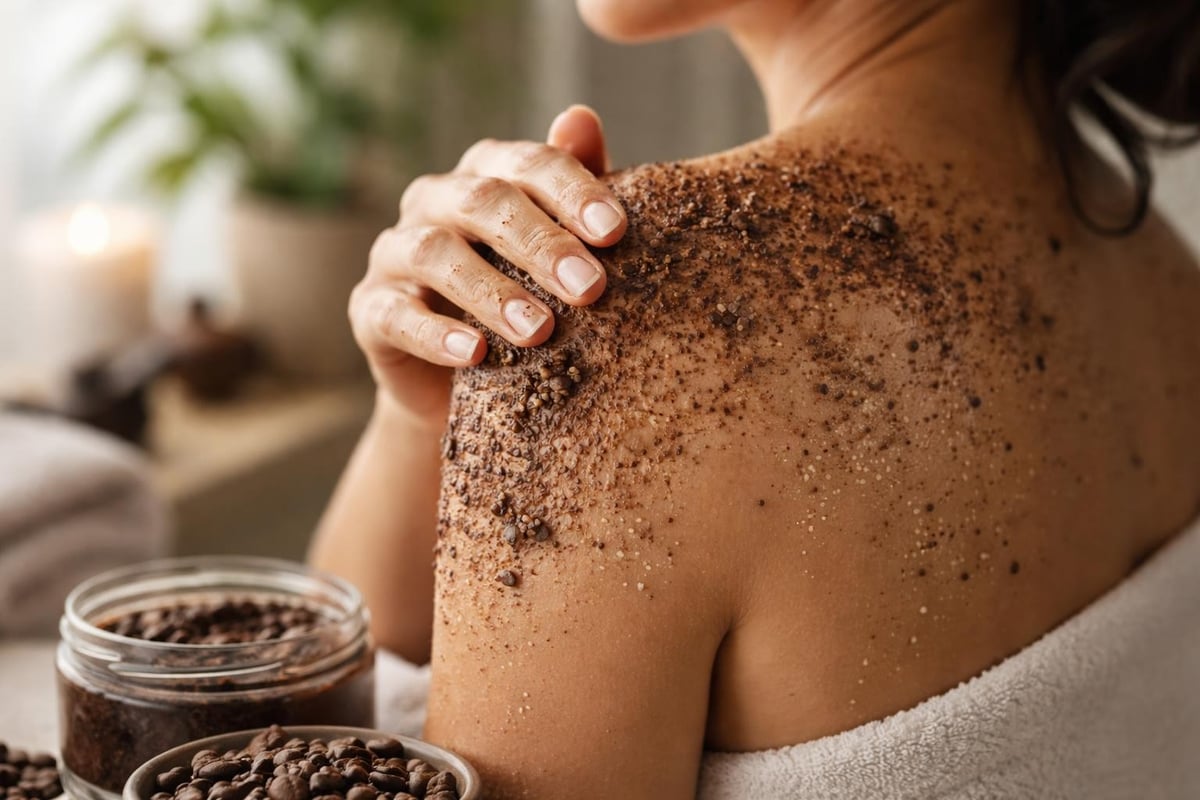
Coffee grounds provide moderate exfoliation whilst delivering caffeine directly to the skin's surface. This stimulating ingredient may temporarily improve circulation and reduce the appearance of cellulite through its tightening effect. The antioxidants in coffee also help protect skin from environmental damage.
Carrier Oils: The Nourishing Base
Body scrub ingredients extend far beyond exfoliants. Carrier oils form the suspension medium that holds particles together whilst providing essential fatty acids and vitamins to nourish skin.
Coconut Oil
Virgin coconut oil's antimicrobial properties make it an excellent choice for preventing bacterial growth in scrub formulations. Its medium-chain fatty acids absorb readily into skin, providing deep moisturisation without feeling heavy. Coconut oil remains solid at room temperature, giving scrubs a desirable consistency.
| Oil Type | Key Benefits | Best For |
|---|---|---|
| Coconut Oil | Antimicrobial, deeply moisturising | All skin types, tropical scents |
| Sweet Almond Oil | Rich in vitamin E, lightweight | Sensitive, dry skin |
| Jojoba Oil | Mimics skin's sebum, non-comedogenic | Oily, acne-prone skin |
| Olive Oil | Antioxidant-rich, nourishing | Very dry, mature skin |
Sweet Almond Oil
This lightweight oil absorbs quickly whilst delivering vitamin E and essential fatty acids. Sweet almond oil suits sensitive skin beautifully, offering moisturisation without triggering reactions. Its mild scent doesn't overpower added essential oils or fragrances.
Jojoba Oil
Technically a liquid wax rather than an oil, jojoba closely resembles human sebum. This similarity allows it to regulate oil production, making it suitable even for those with oily skin. Jojoba's stability also extends the shelf life of homemade scrubs.
Butter Components for Deep Hydration
Incorporating butters into body scrub ingredients creates a luxurious texture whilst providing intensive moisture. These solid fats melt upon contact with warm skin, leaving a protective layer that locks in hydration.
Shea butter stands as the most widely used butter in body care formulations. Its high concentration of fatty acids and vitamins A and E makes it remarkably healing for dry, damaged skin. Unrefined shea butter retains more nutrients than refined versions, though it carries a stronger natural scent.
Cocoa butter offers similar benefits with a firmer texture and naturally sweet chocolate aroma. This butter works particularly well for areas prone to stretch marks or scarring, as it supports skin elasticity and repair.
Mango butter provides a lighter alternative with excellent absorption rates. Its high vitamin C content supports collagen production, whilst its fatty acid profile nourishes without feeling greasy.
Essential Oils and Botanical Extracts
Therapeutic essential oils elevate body scrub ingredients from functional to transformative. Beyond pleasant fragrance, these concentrated plant extracts offer specific skincare benefits.
Lavender Essential Oil
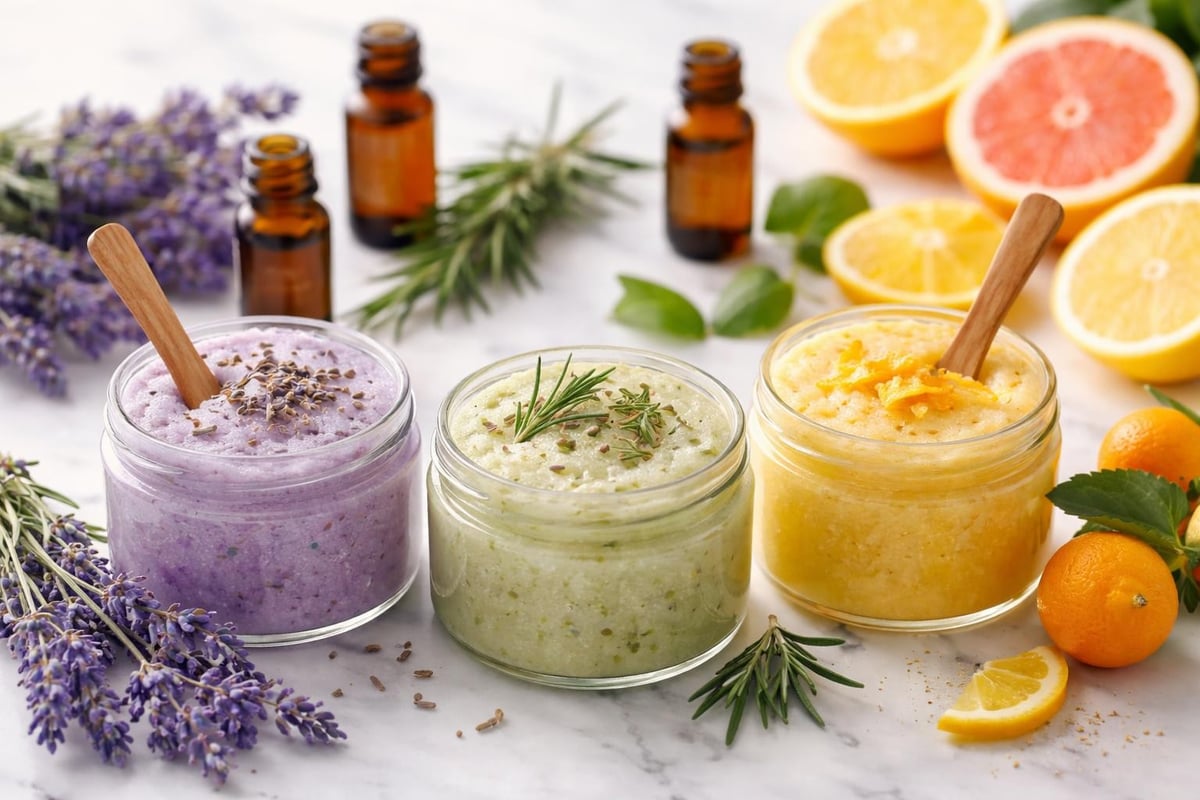
Lavender's anti-inflammatory and antimicrobial properties soothe irritated skin whilst promoting relaxation. This versatile oil suits most skin types and blends well with numerous other essential oils.
Tea Tree Oil
For those prone to body acne or fungal issues, tea tree oil provides powerful antimicrobial action. Use sparingly, as this potent oil can irritate skin in high concentrations. A few drops per batch suffices for therapeutic benefit.
Citrus Oils
Lemon, orange, and grapefruit oils bring uplifting scents alongside vitamin C content. However, these photosensitising oils require caution, as they can increase sun sensitivity. Evening application works best when incorporating citrus essential oils.
Understanding the benefits of body scrubs helps you appreciate why ingredient selection matters so profoundly.
Natural Additives and Enhancers
Additional body scrub ingredients fine-tune formulations for specific skin concerns or sensory experiences.
-
Honey: This natural humectant draws moisture into skin whilst providing gentle antibacterial properties. Raw honey contains enzymes that offer mild chemical exfoliation alongside the scrub's physical action.
-
Vitamin E oil: As a powerful antioxidant, vitamin E protects skin from free radical damage whilst extending product shelf life. A few drops per formulation suffice.
-
Oatmeal: Colloidal oatmeal soothes inflammatory skin conditions and provides ultra-gentle exfoliation. Ground oats work particularly well for sensitive or reactive skin types.
-
Clay: Bentonite or kaolin clay draws out impurities whilst providing additional slip to scrub formulations. Clay-enhanced scrubs suit oily or congested skin.
-
Aloe vera gel: Fresh aloe or preserved gel adds soothing, healing properties perfect for sun-exposed or irritated skin.
Preservatives and Shelf-Life Considerations
When water enters body scrub ingredients, preservation becomes essential. Water-free formulations using only oils and dry ingredients remain stable for months without preservatives, but any water addition creates an environment where bacteria and mould thrive.
Natural preservatives include rosemary antioxidant extract and vitamin E, though these primarily prevent oil oxidation rather than microbial growth. For water-containing formulas, leucidal liquid (derived from radish root) offers natural antimicrobial protection.
Proper storage extends any scrub's usability. Keep formulations in airtight containers away from direct sunlight and heat. Introducing water through wet hands into the container accelerates spoilage, so always use a clean, dry scoop.
Research into natural skincare formulations continues to advance our understanding of ingredient stability and efficacy.
Ingredients to Approach with Caution
Not all body scrub ingredients deserve inclusion in your routine. Several common components may damage skin or provide little actual benefit.
Microbeads: These plastic particles harm marine environments and offer no advantages over natural alternatives. Legislation increasingly restricts their use, and conscious consumers avoid them entirely.
Harsh detergents: Sodium lauryl sulphate and similar surfactants strip skin's natural oils excessively. Body scrubs provide mechanical cleansing without requiring aggressive chemical cleansers.
Synthetic fragrances: Undisclosed fragrance compounds frequently trigger allergic reactions or hormone disruption. Natural essential oils or fragrance-free formulations represent safer choices.
Walnut shell powder: Despite being natural, crushed walnut shells create jagged edges that can microscopically tear skin. Smoother alternatives like jojoba beads or sugar work more gently.
Customising Body Scrub Ingredients for Skin Types
Tailoring ingredient selection to specific skin needs maximises results whilst minimising potential irritation.
For Dry Skin
Combine gentle sugar exfoliation with rich butters and nourishing oils. Sweet almond oil and shea butter create a deeply moisturising base, whilst honey adds humectant properties.
For Oily or Acne-Prone Skin
Jojoba oil's sebum-regulating properties pair excellently with tea tree essential oil's antimicrobial action. Finer sugar grains or ground coffee provide exfoliation without over-stimulating oil production.
For Sensitive Skin
Colloidal oatmeal suspended in lightweight oils offers the gentlest exfoliation. Lavender essential oil soothes reactive skin, whilst avoiding potential irritants like citrus oils or coarse salt.
For Mature Skin
Coffee grounds' caffeine content combined with antioxidant-rich olive oil and vitamin E supports skin firmness. Cocoa butter provides deep nourishment for ageing skin's changing needs.
When formulating specialised treatments for different skin concerns, exploring facial care options alongside body products creates a comprehensive approach to skin health.
Creating Balanced Formulations
Understanding ratios between body scrub ingredients ensures optimal performance and sensory experience. A well-balanced scrub should exfoliate effectively without feeling overly abrasive, whilst leaving skin moisturised rather than greasy.
Basic ratio guidelines:
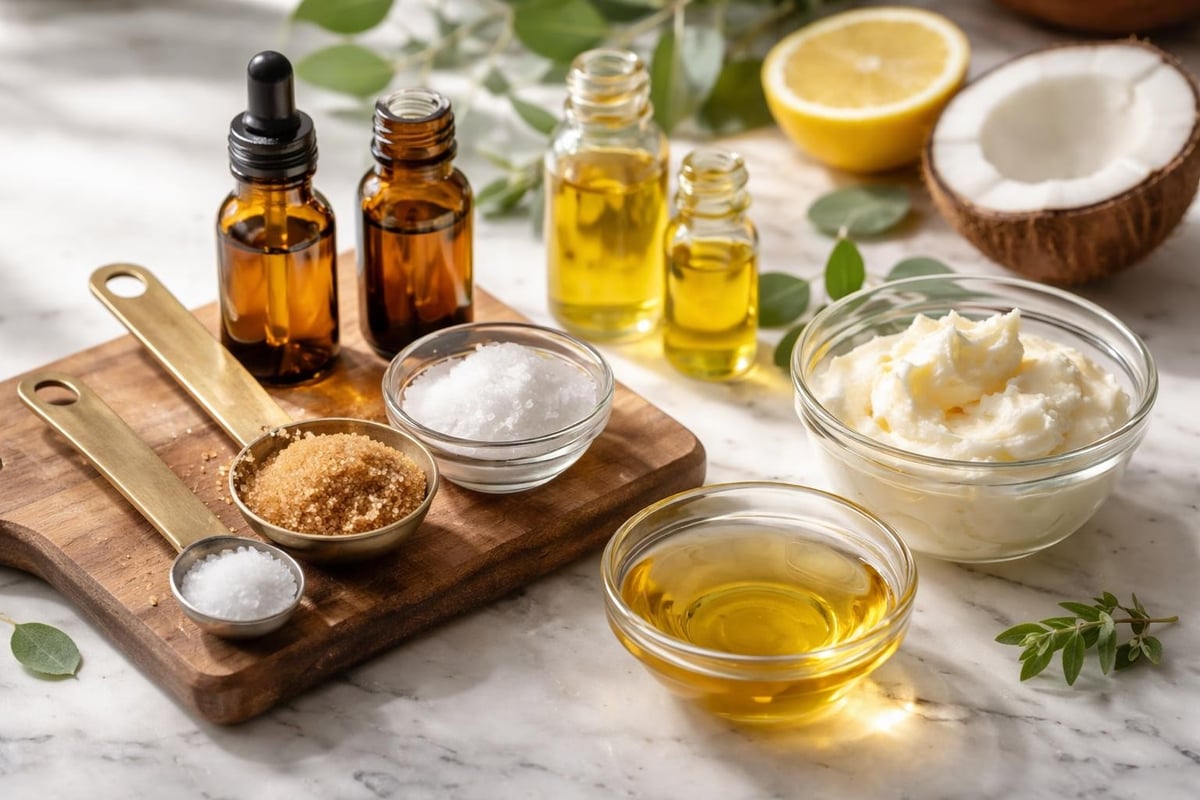
- 2 parts exfoliant to 1 part oil creates medium consistency
- 1 part exfoliant to 1 part oil yields a more moisturising scrub
- 3 parts exfoliant to 1 part oil produces intensive exfoliation
Add butters at approximately 10-20% of the oil portion for increased richness. Essential oils should comprise no more than 1-2% of total formulation to avoid skin irritation.
Testing consistency helps refine formulations. The mixture should hold together when pressed but crumble slightly when disturbed. Too much oil makes application messy, whilst insufficient oil creates harsh scrubbing action.
Seasonal Ingredient Adaptations
Body scrub ingredients may require adjustment based on seasonal skin needs and environmental conditions.
Winter formulations benefit from increased butter content and heavier oils like coconut or olive oil. Cold weather demands more intensive moisturisation, and richer scrubs prevent the dry, flaky skin that accompanies central heating and low humidity.
Summer recipes work better with lighter oils such as jojoba or grapeseed oil. Gel-based formulations incorporating aloe vera refresh sun-exposed skin whilst providing gentler exfoliation when skin becomes more sensitive.
Transitional seasons allow for moderate formulations that adapt to changing conditions. Maintaining multiple scrub variations ensures you always have the appropriate option for current weather and skin state.
Incorporating Active Ingredients
Advanced body scrub ingredients include active components that deliver targeted skincare benefits beyond basic exfoliation and moisturisation.
AHAs and BHAs: Alpha-hydroxy acids like glycolic or lactic acid provide chemical exfoliation alongside physical action. Beta-hydroxy acid (salicylic acid) penetrates pores, making it valuable for body acne. These actives require pH-balanced formulations and sun protection during use.
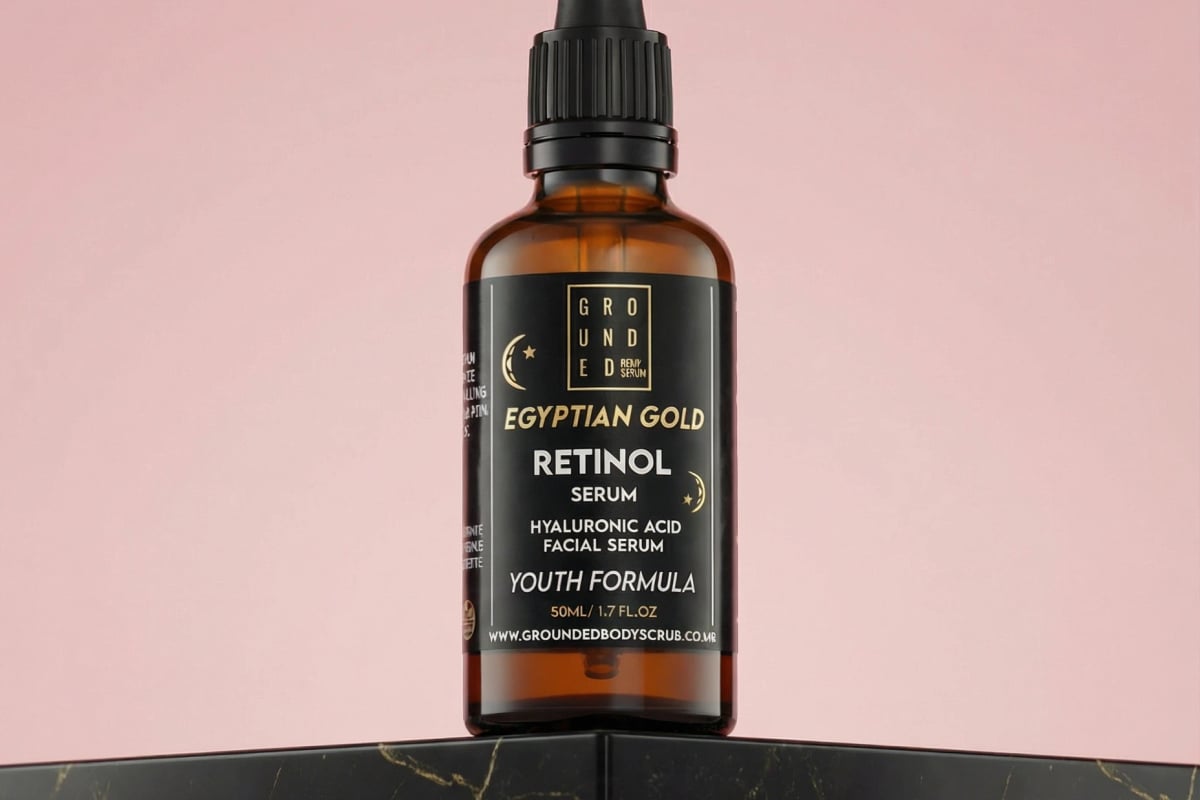
Retinol: Whilst more commonly associated with facial care, body formulations incorporating retinol address keratosis pilaris, sun damage, and uneven texture. The Egyptian Gold Retinol Serum demonstrates how targeted active ingredients can transform skin appearance when properly formulated, offering benefits that complement physical exfoliation.
Vitamin C: Ascorbic acid brightens skin tone and supports collagen production. Stable vitamin C derivatives work better in scrub formulations than pure ascorbic acid, which oxidises rapidly.
Safe Usage Practices
Even the finest body scrub ingredients require proper application technique to deliver benefits without causing harm. Over-exfoliation represents the most common mistake, leading to irritation, increased sensitivity, and compromised skin barrier function.
Limit body scrub use to 2-3 times weekly for most skin types. Sensitive skin may require less frequent exfoliation, whilst thicker-skinned areas like feet tolerate more regular treatment.
Apply scrubs to damp skin using gentle circular motions rather than harsh rubbing. Allow the ingredients to do the work without excessive pressure. Rinse thoroughly with lukewarm water, as hot water can strip natural oils.
Follow scrubbing with appropriate moisturiser to lock in hydration. The newly revealed skin layer absorbs products more effectively, making post-scrub application ideal for targeted treatments.
Creating effective DIY formulations becomes simpler when you understand proper ingredient selection and application methods.
Storage and Hygiene Best Practices
Maintaining body scrub ingredients' efficacy and safety requires attention to storage conditions and usage habits.
Container selection impacts product longevity significantly. Glass jars with tight-fitting lids prevent oxidation and contamination better than plastic alternatives. Dark glass protects light-sensitive ingredients like essential oils and vitamin E.
Dry storage areas away from shower steam prevent premature dissolution of sugar or salt particles. Bathrooms' high humidity shortens shelf life, making bedroom or linen cupboard storage preferable.
Clean handling prevents bacterial contamination. Use a dedicated scoop or spoon rather than introducing fingers directly into the container. This practice proves especially crucial for preservative-free formulations.
Batch sizes should reflect realistic usage rates. Smaller batches ensure products remain fresh, whilst large quantities may spoil before use. Most properly stored, preservative-free scrubs maintain quality for 2-3 months.
Understanding Ingredient Synergies
Certain body scrub ingredients work synergistically, delivering enhanced benefits when combined. Recognising these partnerships optimises formulation effectiveness.
Oil and butter combinations balance absorption rates and nourishment levels. Pairing quick-absorbing jojoba oil with slow-releasing shea butter provides immediate comfort plus lasting hydration.
Exfoliant blends using both fine and coarse particles create multi-level exfoliation. Sugar's gentle action on the skin's surface combines with salt's deeper-reaching minerals for comprehensive renewal.
Essential oil pairings produce therapeutic effects beyond what single oils achieve. Lavender and chamomile enhance each other's anti-inflammatory properties, whilst tea tree and eucalyptus create powerful antimicrobial synergy.
Antioxidant networks formed by combining vitamin E, vitamin C, and green tea extract provide superior free radical protection compared to individual antioxidants.
Exploring comprehensive body care approaches reveals how different product types work together for optimal skin health.
Sustainability and Ethical Sourcing
Modern consumers increasingly consider where body scrub ingredients originate and their environmental impact. Sustainable sourcing ensures long-term ingredient availability whilst supporting communities and ecosystems.
Fair trade certifications for ingredients like shea butter and coconut oil guarantee producers receive fair compensation. This ethical approach often correlates with higher quality, as farmers invest in sustainable practices.
Organic cultivation eliminates pesticide residues that can irritate sensitive skin. Organic oils and butters also support biodiversity and soil health in growing regions.
Local sourcing reduces transportation emissions whilst supporting regional economies. Ingredients like oats, honey, and certain herbs may be available from local producers.
Biodegradable components ensure scrubs don't harm waterways or marine life. All-natural formulations break down harmlessly, contrasting sharply with synthetic alternatives.
Cost Considerations and Value
Quality body scrub ingredients represent an investment in skin health. Understanding cost factors helps balance budget with effectiveness.
Virgin versus refined oils differ significantly in price and nutrient content. Virgin oils retain more beneficial compounds but cost more than refined versions. For leave-on products, virgin oils justify their premium, whilst rinse-off scrubs may perform adequately with refined options.
Essential oil quality varies dramatically between therapeutic-grade and synthetic fragrances. Genuine essential oils command higher prices but deliver actual skincare benefits beyond scent.
Bulk purchasing reduces per-unit costs for frequently used base ingredients. Buying larger quantities of carrier oils, sugar, or salt makes economic sense for regular scrub makers.
Pre-made versus DIY formulations each offer distinct advantages. Ready-made products from specialists provide convenience and precise formulation, whilst homemade versions allow complete control over ingredients and customisation.
For those seeking professional formulations with carefully selected natural ingredients, exploring Grounded Body's product range demonstrates how quality components create superior results.
Testing and Patch Testing New Ingredients
Before incorporating new body scrub ingredients into full formulations, proper testing prevents adverse reactions and ensures compatibility.
Patch testing procedure:
- Apply a small amount of the ingredient or finished scrub to the inner forearm
- Cover with a plaster and leave for 24-48 hours
- Monitor for redness, itching, swelling, or irritation
- Discontinue use if any reaction occurs
Even natural ingredients can trigger allergies in susceptible individuals. Common allergens include tree nut oils, certain essential oils, and bee-derived ingredients like honey.
Formulation testing evaluates texture, scent, and performance before committing to large batches. Create sample sizes to assess how ingredients interact and whether adjustments improve the final product.
Document successful formulations with precise measurements, allowing reproduction of effective combinations. Note any variations and their outcomes to refine future batches.
Regulatory Compliance and Labelling
For those considering selling formulations, understanding regulations governing body scrub ingredients proves essential. Requirements vary by region but generally include ingredient disclosure and safety assessments.
Full ingredient lists using International Nomenclature of Cosmetic Ingredients (INCI) names ensure consumers make informed choices. List ingredients in descending order by weight percentage.
Allergen warnings must highlight the presence of common irritants, even when naturally derived. Essential oils containing known allergens like linalool or limonene require specific declaration.
Shelf life and storage instructions protect consumers and limit liability. Clear guidance on proper storage and use-by dates prevents product deterioration issues.
Manufacturing standards including Good Manufacturing Practices (GMP) ensure consistent quality and safety. Professional production facilities maintain hygiene standards that home production cannot match.
Selecting appropriate body scrub ingredients transforms routine exfoliation into targeted skincare treatment that addresses specific concerns whilst nourishing skin with natural compounds. Understanding how different components interact, which combinations suit particular skin types, and how to formulate balanced products empowers you to make informed choices whether creating custom blends or selecting ready-made options. Grounded Body combines carefully sourced natural ingredients in professionally formulated products that deliver the exfoliation and nourishment your skin needs without compromise. Explore the range today to discover how quality ingredients make all the difference in achieving healthy, radiant skin.