
Exfoliator for Dry Face: Complete Guide to Gentle Exfoliation
Finding the right exfoliator for dry face requires understanding your skin's unique needs and choosing products that remove dead skin cells without stripping away essential moisture. Dry skin already lacks natural oils, making it crucial to select gentle formulations that enhance hydration rather than deplete it. This comprehensive guide explores the science behind exfoliation for dry skin, helping you identify the best ingredients, techniques, and routines to achieve a radiant, healthy complexion whilst protecting your skin's delicate moisture barrier.
Understanding Why Dry Skin Needs Specialised Exfoliation
Dry skin presents specific challenges that require a tailored approach to exfoliation. When your skin lacks adequate moisture, it often develops a buildup of dead skin cells that cling to the surface, creating a dull, flaky appearance. However, aggressive exfoliation can worsen dryness by damaging the skin barrier and triggering inflammation.
The key to successful exfoliation for dry facial skin lies in selecting products that work gently whilst delivering hydrating benefits. Understanding how to exfoliate properly ensures you remove the buildup without compromising your skin's protective layer.
The Science Behind Dry Skin Exfoliation
Your skin's outermost layer, the stratum corneum, naturally sheds dead cells every 28 days on average. In dry skin, this process becomes irregular, leading to accumulation. An effective exfoliator for dry face accelerates cell turnover whilst maintaining hydration levels through humectants and emollients.
When selecting exfoliation methods, consider these factors:
- Moisture retention capability of the formula
- Gentleness of exfoliating agents used
- Additional hydrating ingredients included
- pH balance appropriate for sensitive, dry skin
- Frequency recommendations based on severity
Chemical vs Physical Exfoliators for Dry Facial Skin
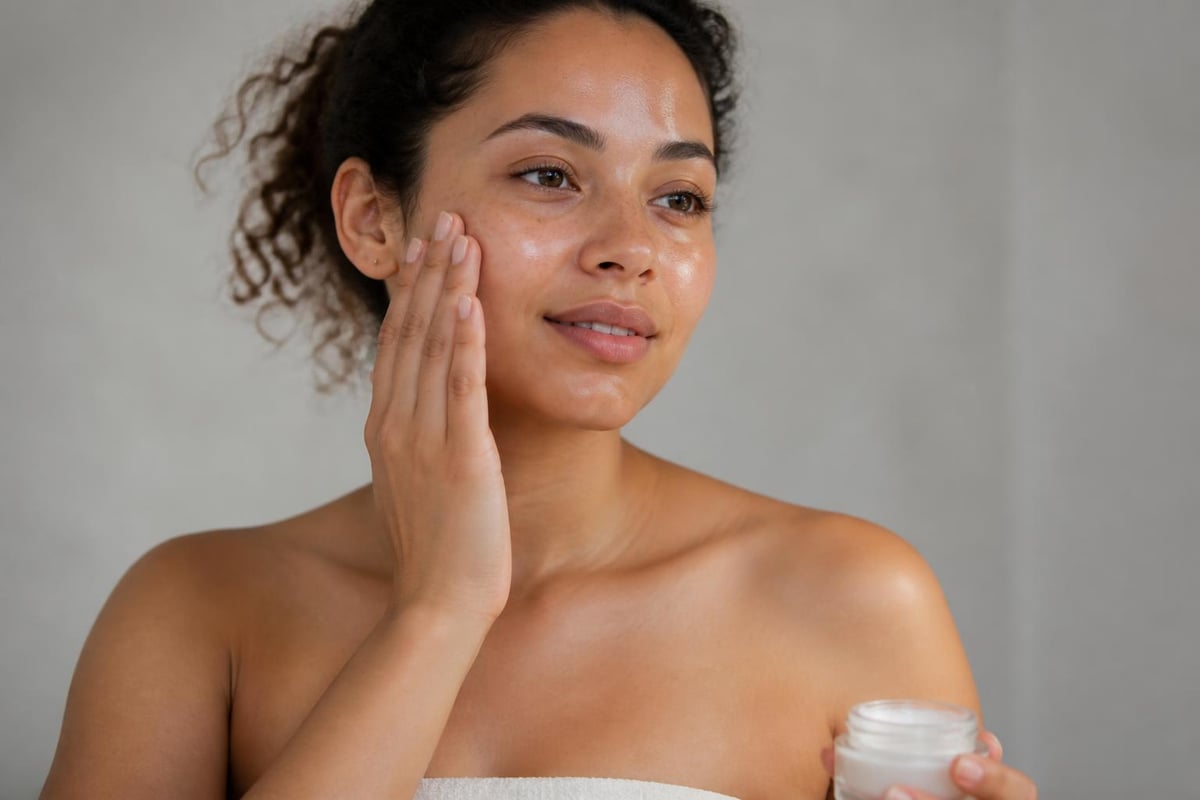
Choosing between chemical and physical exfoliation depends on your skin's sensitivity and specific needs. Both methods can work effectively as an exfoliator for dry face when formulated appropriately.
Chemical Exfoliants: AHAs and Their Benefits
Alpha hydroxy acids (AHAs) are particularly suited to dry skin types. These water-soluble acids work by dissolving the bonds between dead skin cells, allowing them to shed naturally. Glycolic acid and lactic acid are the most common AHAs, with lactic acid being especially gentle and hydrating.
Chemical exfoliants offer several advantages:
- Provide even exfoliation without physical abrasion
- Often include humectant properties that attract moisture
- Penetrate deeper layers for improved skin texture
- Reduce the risk of micro-tears from scrubbing
- Can be formulated with additional hydrating ingredients
The differences between chemical and mechanical exfoliators reveal why many dermatologists recommend chemical options for dry, sensitive skin.
Physical Exfoliants: When and How to Use Them
Physical exfoliators use fine particles to manually remove dead skin cells. For dry skin, these must be exceptionally gentle, with smooth, rounded particles rather than jagged or sharp ones. Natural options like jojoba beads or finely ground oats work well.
| Exfoliant Type | Best For Dry Skin | Frequency | Key Benefits |
|---|---|---|---|
| Lactic Acid | All dry skin types | 2-3x weekly | Hydrating, gentle |
| Glycolic Acid | Less sensitive dry skin | 1-2x weekly | Deep exfoliation |
| Jojoba Beads | Sensitive dry skin | 1-2x weekly | Physical but gentle |
| Enzyme Exfoliants | Very sensitive skin | 1-2x weekly | Non-abrasive |
Essential Ingredients to Look for in Your Exfoliator
When selecting an exfoliator for dry face, the supporting ingredients matter as much as the exfoliating agents themselves. Products formulated specifically for dry skin include humectants, emollients, and skin-soothing compounds.
Hyaluronic acid attracts and retains moisture, holding up to 1,000 times its weight in water. This ingredient ensures your skin remains plump and hydrated throughout the exfoliation process.
Ceramides help repair and strengthen the skin barrier, preventing moisture loss after exfoliation. These lipids are naturally present in healthy skin but often depleted in dry complexions.
Glycerin acts as a powerful humectant, drawing water from the environment into your skin. It creates a protective layer that locks in moisture whilst you exfoliate.
Natural oils such as rosehip, jojoba, and sweet almond oil provide essential fatty acids that nourish dry skin. These oils don't clog pores but deliver deep hydration alongside gentle exfoliation. At Grounded Body, you'll find products that harness the power of natural ingredients like these to support your skin's health.
Ingredients to Avoid
Certain ingredients can exacerbate dryness and should be avoided in your facial exfoliator:
- Alcohol-based formulations that strip natural oils
- Harsh sulfates that disrupt the moisture barrier
- Synthetic fragrances that may trigger irritation
- Walnut shells or apricot kernels (too abrasive)
- High concentrations of salicylic acid (better for oily skin)
How to Safely Exfoliate Dry Facial Skin
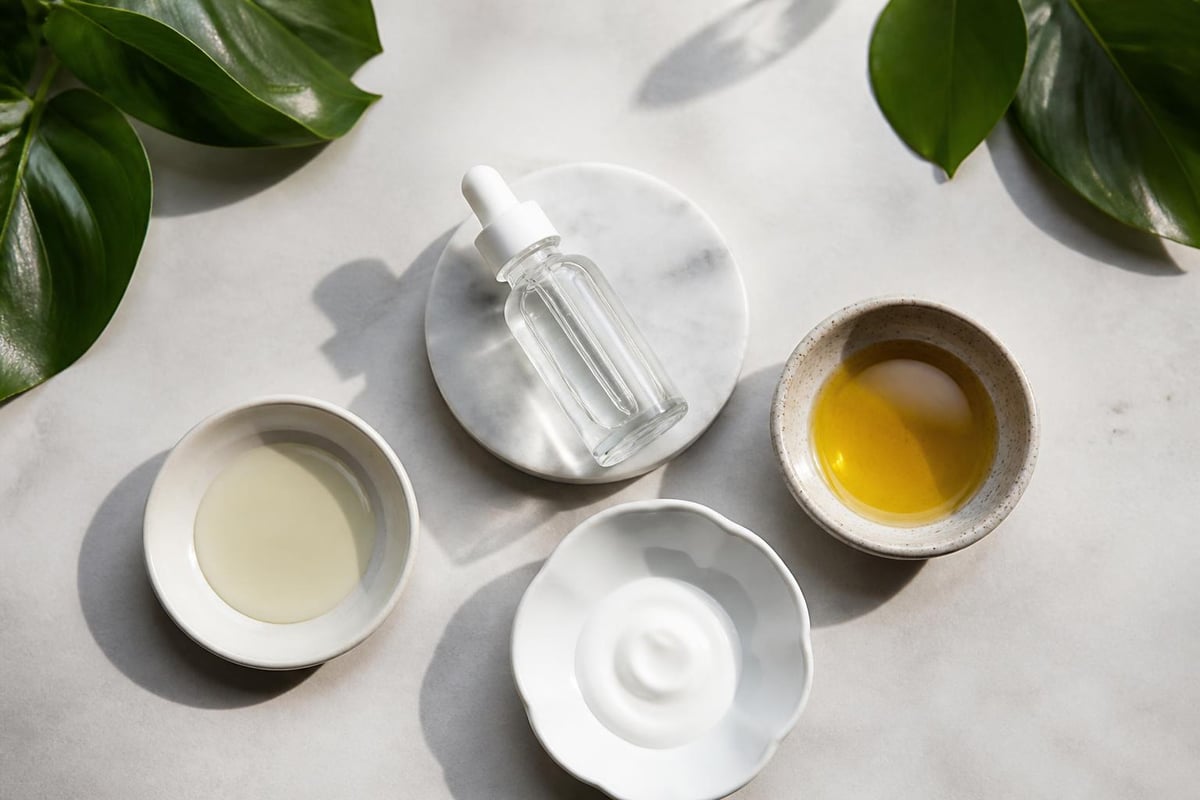
Proper technique is essential when using any exfoliator for dry face. Even the gentlest product can cause damage if applied incorrectly or too frequently.
Step-by-Step Exfoliation Process
- Cleanse first with a mild, hydrating cleanser to remove surface impurities
- Apply exfoliator to damp skin using gentle, circular motions
- Limit contact time to manufacturer's recommendations (usually 1-2 minutes for physical, 5-10 for chemical)
- Rinse thoroughly with lukewarm water (never hot, which strips moisture)
- Pat dry gently with a soft towel
- Apply hydrating serum immediately to lock in moisture
- Follow with moisturiser within three minutes of exfoliating
For those dealing with specific concerns, learning how to safely exfoliate dry skin provides additional guidance on protecting your moisture barrier.
Optimal Frequency for Dry Skin Types
Over-exfoliation is a common mistake that can severely damage dry skin. Most dry skin types benefit from exfoliating 1-2 times per week, though this varies based on product strength and individual sensitivity.
Signs you're exfoliating too often:
- Increased redness or inflammation
- Tightness or stinging sensations
- Worsening dryness or flaking
- New breakouts or irritation
- Shiny, taut appearance
If you notice these symptoms, reduce frequency and focus on barrier repair with intensive moisturisation.
Building a Complete Routine Around Exfoliation
An exfoliator for dry face works best as part of a comprehensive skincare routine designed to support moisture retention and barrier health.
Morning Routine Following Night Exfoliation
After exfoliating the previous evening, your morning routine should focus on protection and hydration:
- Gentle, creamy cleanser
- Hydrating toner or essence
- Vitamin C serum for antioxidant protection
- Hyaluronic acid serum
- Rich moisturiser with SPF 30 or higher
Sun protection becomes especially crucial after exfoliation, as freshly exposed skin is more vulnerable to UV damage.
Evening Routine with Exfoliation
When incorporating exfoliation into your evening routine, structure your steps to maximise hydration:
| Step | Product Type | Purpose |
|---|---|---|
| 1 | Oil or balm cleanser | Remove makeup and sunscreen |
| 2 | Water-based cleanser | Deep cleanse |
| 3 | Exfoliator (1-2x weekly) | Remove dead cells |
| 4 | Hydrating toner | Restore pH balance |
| 5 | Treatment serum | Address specific concerns |
| 6 | Night cream or sleeping mask | Deep overnight hydration |
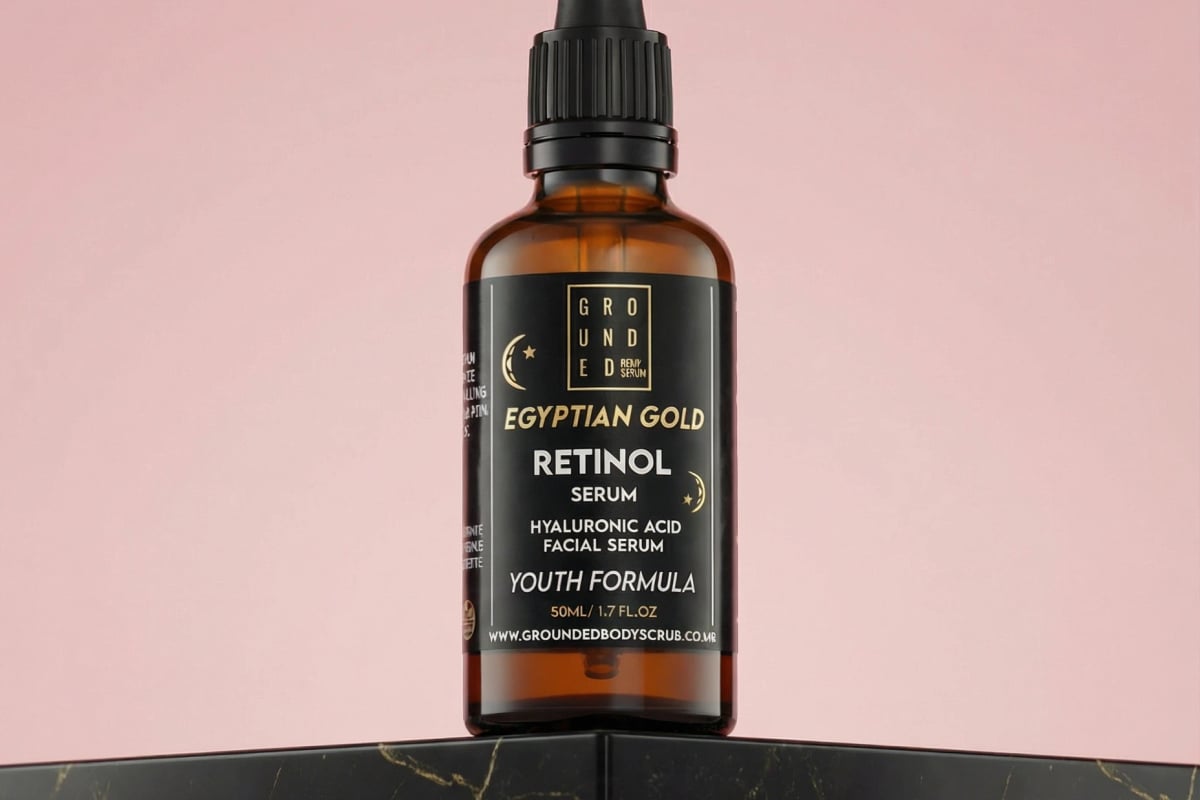
For those incorporating active ingredients like retinol, the Egyptian Gold Retinol Serum offers a powerful formula that targets wrinkles, fine lines, and dryness. When using retinol, alternate nights with exfoliation to prevent over-treating your skin.
Natural Exfoliation Methods for Sensitive Dry Skin
Natural ingredients offer gentle alternatives for those seeking a more holistic approach to facial exfoliation. These methods can be particularly beneficial for extremely sensitive or reactive dry skin.
Enzyme Exfoliants from Fruits
Papaya and pumpkin enzymes naturally dissolve dead skin cells without physical or chemical abrasion. These proteolytic enzymes work by breaking down keratin proteins, making them ideal for an exfoliator for dry face that's exceptionally gentle.
Benefits of enzyme exfoliation:
- No risk of over-scrubbing
- Suitable for most sensitive skin
- Often combined with nourishing fruit extracts
- Can be left on briefly as a mask
- Minimal risk of irritation
Oat-Based Physical Exfoliants
Colloidal oatmeal has been used for centuries to soothe dry, irritated skin. When finely ground, oats provide gentle physical exfoliation alongside anti-inflammatory benefits. The beta-glucan content helps repair the skin barrier whilst removing surface buildup.
Mix finely ground oats with honey and yoghurt for a nourishing home treatment that provides mild exfoliation with intense hydration.
Addressing Common Concerns and Mistakes
Many people with dry skin avoid exfoliation entirely, fearing it will worsen their condition. However, removing dead skin from the face properly can actually improve moisture absorption and overall skin health.
Why Your Current Exfoliator Might Not Work
If your exfoliator for dry face seems ineffective or causes irritation, several factors could be responsible:
Product formulation issues:
- Contains drying alcohols or harsh surfactants
- Exfoliating particles too large or jagged
- Acid concentration too high for dry skin
- Missing hydrating ingredients
- pH too alkaline
Application problems:
- Using too much pressure during application
- Leaving product on too long
- Not moisturising immediately afterwards
- Combining with other active ingredients on same day
- Exfoliating damaged or compromised skin
Seasonal Adjustments for Dry Skin
Your exfoliation needs change with the seasons. Winter weather, central heating, and low humidity can severely impact dry skin, requiring adjustments to your routine.
Winter modifications:
- Reduce frequency to once weekly if skin feels tight
- Switch to creamier exfoliator formulations
- Increase post-exfoliation moisturiser richness
- Consider adding facial oil before night cream
- Use a humidifier to maintain indoor moisture levels
Summer considerations:
- May tolerate slightly more frequent exfoliation (2x weekly)
- Lighter moisturisers post-exfoliation
- Increased sun protection essential
- Swimming and chlorine exposure requires extra barrier support
Understanding the dos and don'ts of exfoliating dry skin helps you adapt your routine based on environmental factors and seasonal changes.
Advanced Considerations for Mature or Very Dry Skin
As skin ages, it often becomes drier and more delicate, requiring even gentler exfoliation approaches. Mature dry skin benefits from exfoliators that combine gentle cell turnover with anti-ageing ingredients.
Combining Exfoliation with Anti-Ageing Treatments
When using an exfoliator for dry face alongside anti-ageing products, timing and product selection become critical. Retinoids, for example, increase cell turnover on their own and can conflict with aggressive exfoliation.
Consider alternating exfoliation nights with retinoid nights, or use gentler enzyme exfoliants that work synergistically with anti-ageing treatments. Some people find success exfoliating on Monday and Thursday evenings, using retinol on Tuesday and Saturday.
Supporting Your Skin Barrier Through Holistic Wellness
External skincare represents only part of the equation for truly healthy, hydrated skin. Internal factors significantly impact skin dryness and how well it responds to exfoliation.
Holistic practices that support skin health include proper hydration, balanced nutrition, stress management, and adequate sleep. Ayurveda selfcare programs offer comprehensive approaches to wellness that can complement your skincare routine by addressing root causes of skin imbalance from within.
Lifestyle factors affecting dry skin:
- Daily water intake (aim for 2-3 litres)
- Omega-3 fatty acid consumption
- Stress levels and cortisol production
- Sleep quality and duration
- Environmental humidity exposure
Professional Treatments vs At-Home Exfoliation
Understanding when to seek professional treatments versus managing exfoliation at home helps you make informed decisions about your dry skin care.
When to Consult a Dermatologist
Certain situations warrant professional guidance before continuing with any exfoliator for dry face:
- Persistent severe dryness despite proper care
- Signs of eczema, psoriasis, or other conditions
- Sudden changes in skin texture or sensitivity
- Painful cracking or bleeding
- Concurrent use of prescription treatments
Dermatologists can provide customised chemical peels formulated specifically for dry skin, typically using lactic acid or mandelic acid in controlled concentrations.
Professional-Grade Exfoliation Options
Professional treatments offer stronger concentrations than at-home products, delivering more dramatic results with proper safety protocols:
| Treatment | Suitable for Dry Skin | Recovery Time | Benefits |
|---|---|---|---|
| Lactic Acid Peel | Yes | 2-3 days | Hydrating exfoliation |
| Enzyme Peel | Yes | Minimal | Gentle, nourishing |
| Microdermabrasion | Sometimes | 1-2 days | Physical exfoliation |
| Glycolic Peel | Proceed with caution | 3-5 days | Deep exfoliation |
Troubleshooting Your Exfoliation Routine
Even with the best intentions and products, problems can arise when using an exfoliator for dry face. Recognising and addressing these issues quickly prevents long-term damage.
Dealing with Post-Exfoliation Sensitivity
If your skin feels raw, tight, or overly sensitive after exfoliation, immediately shift to a repair-focused routine:
- Stop all active ingredients including exfoliants, retinoids, and vitamin C
- Use only gentle, fragrance-free products for 3-7 days
- Apply barrier repair ingredients like ceramides and cholesterol
- Increase moisturiser application to 2-3 times daily
- Protect from sun exposure religiously
Consider incorporating calming ingredients like centella asiatica, niacinamide, or colloidal oatmeal to soothe inflammation and support barrier recovery.
Purging vs Adverse Reaction
Understanding the difference between normal skin purging and an adverse reaction helps you determine whether to continue with your exfoliator for dry face.
Normal purging (continue use):
- Small breakouts in usual problem areas
- Occurs primarily with chemical exfoliants
- Resolves within 4-6 weeks
- Skin texture improves between breakouts
- No burning or excessive redness
Adverse reaction (discontinue immediately):
- Breakouts in new areas
- Persistent burning or stinging
- Severe redness or swelling
- Skin feels compromised or damaged
- Symptoms worsen over time
Maximising Results Through Complementary Treatments
Your exfoliator for dry face delivers better results when supported by complementary treatments that enhance hydration and skin health.
Hydrating Masks and Serums
Applying a hydrating mask 10-15 minutes after exfoliation allows active ingredients to penetrate freshly revealed skin more effectively. Look for masks containing:
- Hyaluronic acid in multiple molecular weights
- Aloe vera for soothing and hydration
- Honey for antimicrobial and humectant benefits
- Peptides to support collagen production
- Antioxidants to protect newly exposed cells
Layering serums post-exfoliation follows the thin-to-thick rule, starting with water-based formulas and progressing to oil-based products.
Facial Massage and Lymphatic Drainage
Gentle facial massage after exfoliation promotes circulation, bringing nutrients to skin cells whilst encouraging lymphatic drainage to reduce puffiness. This practice enhances the absorption of subsequent skincare products.
Use upward and outward strokes with a facial oil from Grounded Body to provide slip whilst stimulating skin renewal. Natural oils rich in essential fatty acids support barrier function whilst improving product penetration.
Integrating Wellness Practices for Better Skin
Managing chronic inflammation through CBD hemp oil products may indirectly benefit skin health by reducing systemic inflammation that can exacerbate dryness and sensitivity. The endocannabinoid system plays a role in skin barrier function and inflammatory responses.
Additionally, managing stress through mindfulness, adequate sleep, and balanced nutrition creates internal conditions that allow your exfoliator for dry face to work more effectively.
Long-Term Skin Health Beyond Exfoliation
Creating lasting improvements in dry skin requires consistency, patience, and realistic expectations about what exfoliation can achieve.
Setting Realistic Timeline Expectations
Most people notice immediate softness after using an exfoliator for dry face, but deeper improvements require time:
Week 1-2: Immediate texture improvement and brightness
Week 4-6: Enhanced product absorption and reduced flakiness
Week 8-12: Visible improvement in fine lines and overall radiance
Month 4+: Established healthy cell turnover and optimised moisture retention
Consistent gentle exfoliation yields better long-term results than sporadic aggressive treatments.
Monitoring and Adjusting Your Approach
Your skin's needs evolve based on age, environment, health status, and seasonal factors. Regularly assess whether your current exfoliator for dry face still meets your requirements:
- Does your skin feel comfortable 24 hours post-exfoliation?
- Are you seeing continued improvement or plateau?
- Has your skin become more or less sensitive?
- Do you need to adjust frequency based on season?
- Are new concerns emerging that require different approaches?
Maintain a simple skincare journal noting product usage, environmental factors, and skin response to identify patterns and optimise your routine over time.
Choosing the right exfoliator for dry face and using it properly transforms dull, flaky skin into a radiant, healthy complexion whilst protecting your precious moisture barrier. By selecting gentle formulations with hydrating ingredients, exfoliating at appropriate frequencies, and supporting your routine with nourishing treatments, you create the foundation for long-term skin health. Grounded Body offers natural, effective skincare solutions formulated to work with your skin's needs, helping you achieve your best complexion through gentle, ingredient-focused care that respects and enhances your skin's natural functions.