
Freckle Cream: Understanding Safe and Effective Options
Freckles have long been a distinctive feature for many individuals, sparking centuries of debate about beauty standards and skin uniformity. While some embrace these pigmented spots as unique markers of individuality, others seek solutions to achieve a more even complexion. The skincare industry has responded with various formulations designed to address hyperpigmentation, leading to an expanding market for products that target these concentrated areas of melanin. Understanding the science, safety considerations, and effective ingredients in these treatments is essential for anyone considering their use.
What Causes Freckles and How Do Treatments Work
Freckles, medically known as ephelides, result from an increase in melanin production triggered by ultraviolet radiation exposure. These small, flat spots typically appear on sun-exposed areas such as the face, shoulders, and arms. Unlike age spots or melasma, freckles tend to darken with sun exposure and may fade during winter months when UV exposure decreases.
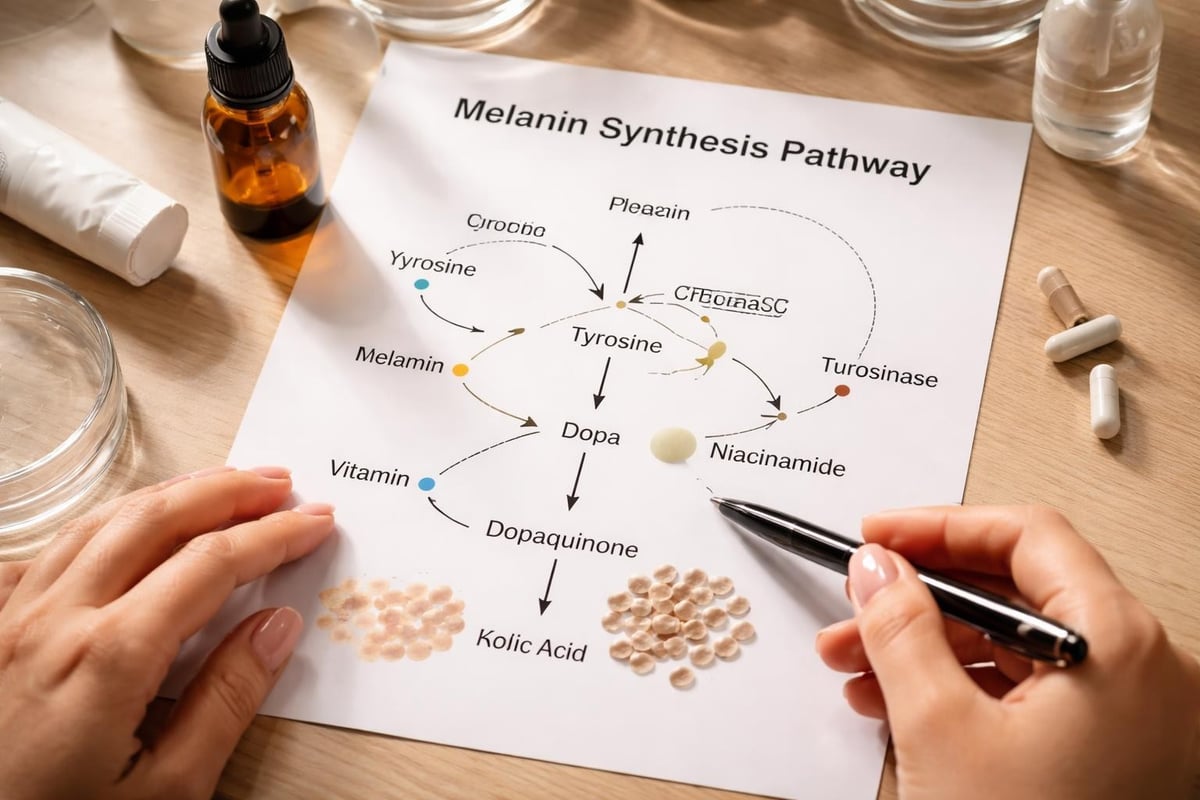
The mechanism behind freckle cream effectiveness centres on inhibiting melanin production or accelerating cell turnover to reduce existing pigmentation. Melanocytes - the cells responsible for producing melanin - become the primary target for these formulations. By interrupting the enzymatic processes that create pigment or promoting the shedding of pigment-containing skin cells, these products aim to lighten concentrated areas of discolouration.
The Science of Skin Lightening
Modern formulations work through several pathways:
- Tyrosinase inhibition - blocking the enzyme responsible for melanin synthesis
- Cell turnover acceleration - promoting exfoliation of pigmented cells
- Melanin transfer disruption - preventing pigment from reaching skin's surface layers
- Antioxidant protection - reducing oxidative stress that triggers pigmentation
Understanding these mechanisms helps consumers make informed decisions about which active ingredients align with their skin concerns and tolerance levels.
Historical Context and Safety Evolution
The quest for skin lightening solutions has a troubling history dating back centuries, with formulations often containing dangerous substances. Mercury-based compounds were particularly prevalent in vintage products, despite their severe toxicity. The beauty industry's evolution towards safer ingredients represents significant progress, though vigilance remains essential.
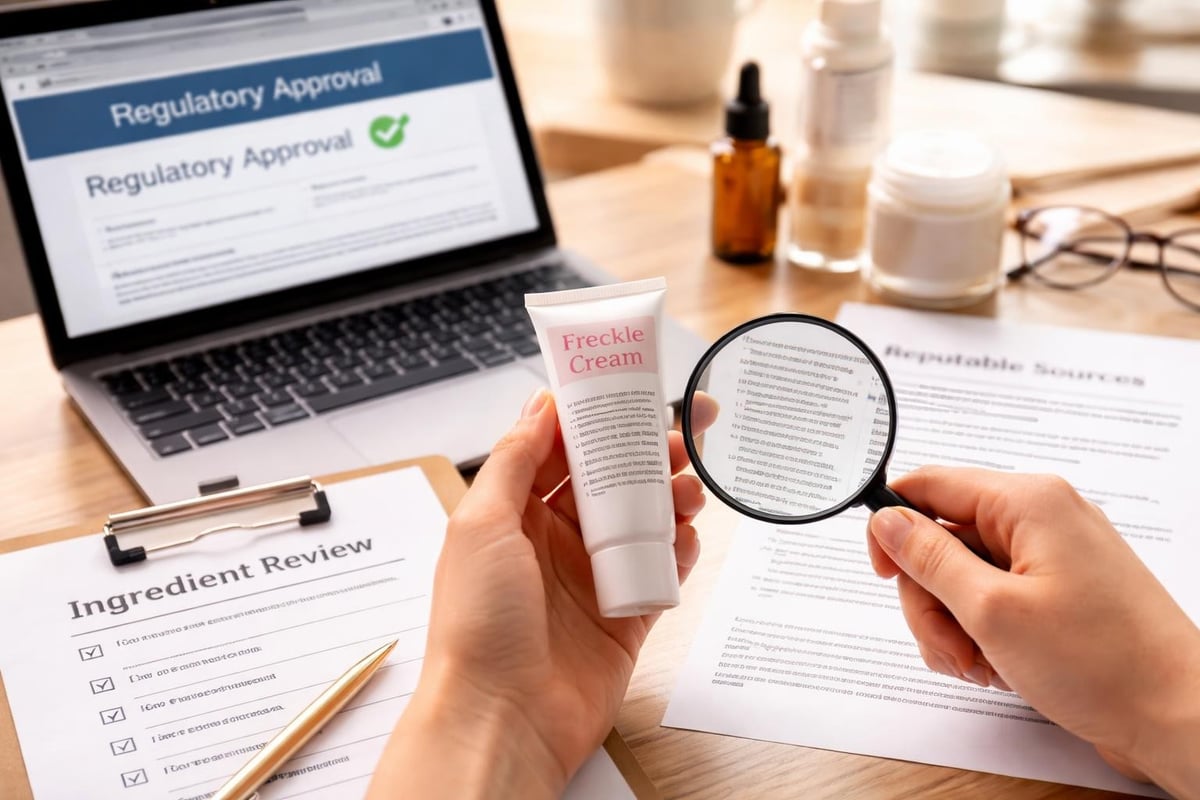
Mercury poisoning from skin lightening products continues to pose risks in some regions where unregulated products enter the market. These incidents underscore the importance of purchasing from reputable sources and understanding ingredient labels. Regulatory bodies worldwide have implemented stricter controls, yet consumers must remain proactive in verifying product safety.
Dangerous Ingredients to Avoid
| Ingredient | Risk Level | Why Avoid |
|---|---|---|
| Mercury compounds | Severe | Kidney damage, neurological harm |
| Hydroquinone (>2%) | High | Ochronosis, skin thinning with prolonged use |
| Unlisted corticosteroids | High | Skin atrophy, systemic absorption |
| Excessive tretinoin | Moderate | Severe irritation, photosensitivity |
The historical use of mercury in freckle removers serves as a cautionary tale about the importance of evidence-based formulation and regulatory oversight. Modern consumers benefit from decades of dermatological research that has identified both effective and safe active ingredients.
Evidence-Based Active Ingredients
Contemporary freckle cream formulations rely on clinically studied ingredients with established safety profiles. These components offer varying degrees of efficacy depending on concentration, formulation quality, and individual skin characteristics.
Vitamin C (L-Ascorbic Acid) remains one of the most researched brightening agents. This powerful antioxidant inhibits tyrosinase activity whilst providing photoprotection and collagen synthesis support. Concentrations between 10-20% demonstrate optimal effectiveness when properly stabilised in low-pH formulations.
Niacinamide (Vitamin B3) offers a gentler alternative with multiple skin benefits. At concentrations of 2-5%, this ingredient reduces melanin transfer from melanocytes to keratinocytes whilst strengthening the skin barrier. Its anti-inflammatory properties make it suitable for sensitive skin types who may not tolerate stronger actives.
Retinoid Family Compounds
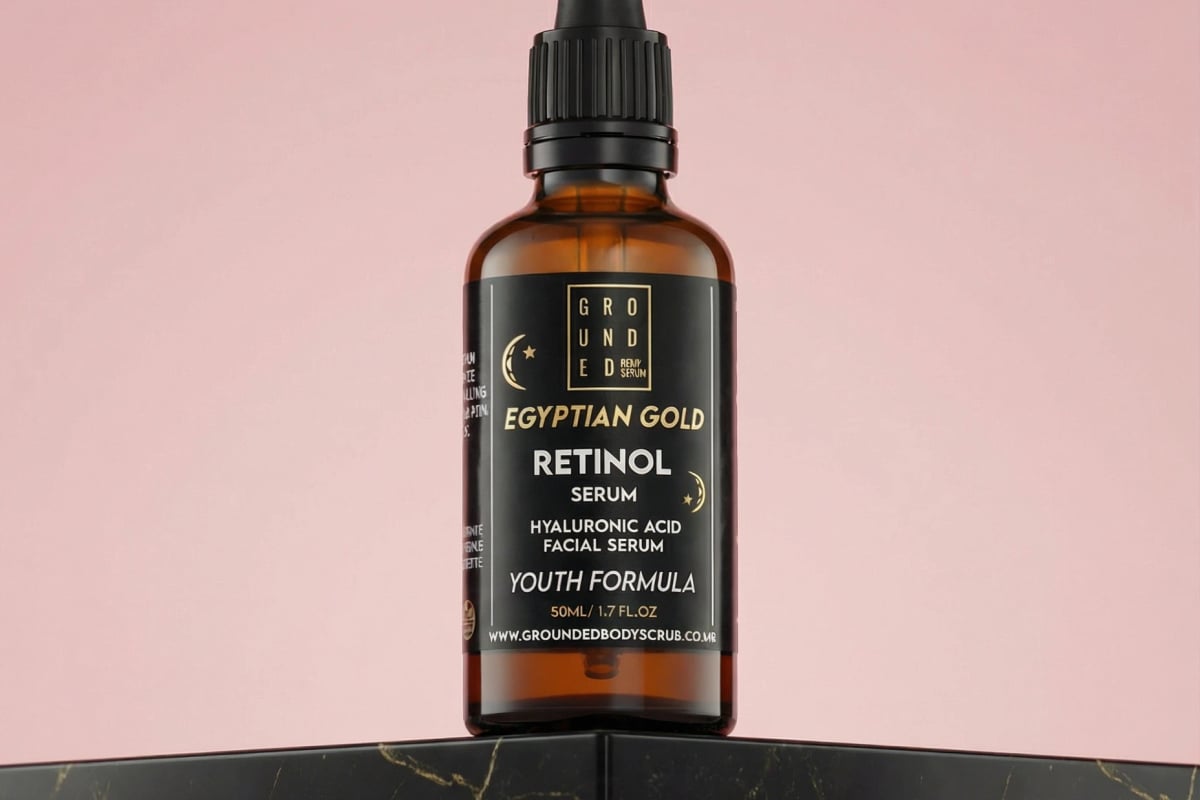
Retinoids accelerate cellular turnover, promoting the shedding of pigmented cells whilst stimulating collagen production. Products containing retinol require careful introduction to minimise irritation, starting with lower concentrations two to three times weekly before increasing frequency.
For those seeking comprehensive anti-ageing benefits alongside pigmentation reduction, targeted retinol serums can address multiple concerns simultaneously. Understanding proper application techniques and complementary ingredients maximises results whilst minimising adverse reactions.
- Alpha arbutin (1-2% concentration)
- Kojic acid (1-4% concentration)
- Azelaic acid (10-20% concentration)
- Liquorice root extract (glabridin component)
- Tranexamic acid (2-5% topical concentration)
Application Protocols and Realistic Expectations
Achieving visible results with freckle cream requires consistent application over extended periods. Most users notice initial improvements after eight to twelve weeks of dedicated use, with optimal results appearing after four to six months. Patience proves essential, as skin cell turnover cycles dictate the pace of pigmentation reduction.
Step-by-Step Application Guide
- Cleanse thoroughly - Remove all makeup, sunscreen, and surface impurities
- Apply toner - Balance skin pH and prepare for active ingredient absorption
- Use treatment serum - Apply freckle cream or targeted brightening product
- Moisturise appropriately - Lock in active ingredients and maintain barrier function
- Apply SPF 30+ daily - Prevent new pigmentation and protect healing skin
The importance of sun protection cannot be overstated when using any pigmentation treatment. Understanding freckles and their triggers reveals that UV exposure remains the primary catalyst for their formation and darkening. Without diligent photoprotection, even the most effective freckle cream will yield disappointing results.
Safety Considerations and Red Flags
Despite regulatory improvements, problematic products still circulate in the marketplace. Reports of mercury-laden skin lightening products available through online channels highlight ongoing risks. Consumers must exercise caution when purchasing from unfamiliar sources or international sellers operating outside regulated frameworks.
Warning signs of potentially dangerous products:
- Unnaturally rapid results promised within days
- Unlisted or vaguely described ingredients
- Absence of proper labelling or manufacturer information
- Extremely low prices compared to market standards
- Products sourced from unverified international sellers
Health authorities continue monitoring skin lightening products for hazardous substances. Awareness of these risks empowers consumers to make safer choices whilst pursuing their skincare goals.
Complementary Skincare Practices
Freckle cream effectiveness increases significantly when integrated into a comprehensive skincare routine that supports overall skin health. Natural ingredients offer gentle yet effective support for brightening goals whilst nourishing the skin barrier.
Supporting Ingredients and Practices
| Practice | Benefit | Implementation |
|---|---|---|
| Daily exfoliation | Removes pigmented cells | Gentle chemical exfoliants 2-3x weekly |
| Hydration focus | Supports cell turnover | Hyaluronic acid and ceramides daily |
| Antioxidant protection | Prevents oxidative damage | Vitamin E, green tea, resveratrol |
| Barrier repair | Maintains treatment tolerance | Fatty acids, cholesterol, niacinamide |
Building a holistic approach to skincare ensures that active ingredients work optimally whilst maintaining skin health. The relationship between body care routines and product selection demonstrates how integrated approaches yield superior results compared to isolated treatments.
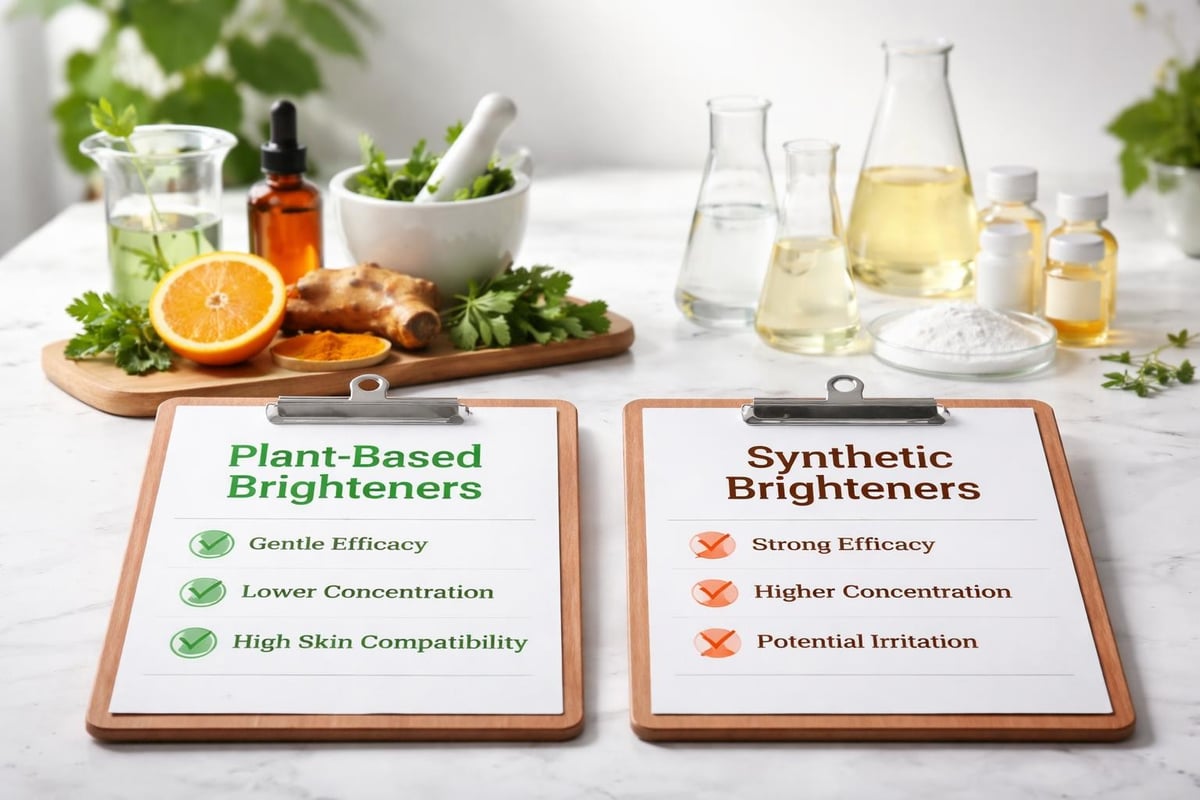
Natural botanicals deserve particular attention for their multifaceted benefits. Liquorice root extract contains glabridin, which inhibits tyrosinase activity without the harsh side effects associated with synthetic alternatives. Similarly, green tea polyphenols provide antioxidant protection whilst offering mild melanin-inhibiting properties.
Professional Treatments Versus At-Home Solutions
Whilst freckle cream offers accessible at-home treatment, professional interventions provide more intensive results for those seeking faster improvement. Understanding the spectrum of available options helps individuals choose appropriate solutions based on their timeline, budget, and risk tolerance.
Professional treatment options:
- Chemical peels (glycolic, lactic, or TCA formulations)
- Laser therapy (Q-switched or fractional technologies)
- Intense pulsed light (IPL) treatments
- Microdermabrasion combined with brightening serums
- Professional-strength topical prescriptions
These interventions typically require multiple sessions and carry higher costs than over-the-counter products. However, they may achieve visible results more rapidly, particularly for stubborn or deeply seated pigmentation. Consultation with qualified dermatology professionals ensures appropriate treatment selection based on individual skin characteristics and medical history.
Formulation Quality and Ingredient Synergy
Not all freckle cream products deliver equivalent results, even when containing similar active ingredients. Formulation science plays a crucial role in ingredient stability, penetration, and overall effectiveness. Understanding these factors helps consumers identify superior products that justify their investment.
pH levels significantly impact certain active ingredients, particularly vitamin C and AHAs. L-ascorbic acid requires a pH below 3.5 for optimal stability and penetration, whilst most skin functions optimally around pH 5.5. Quality formulations balance effectiveness with tolerability through sophisticated delivery systems.
Packaging and Preservation
- Airless pump bottles protect oxidation-sensitive ingredients
- Dark or opaque containers prevent light degradation
- Individual dose packaging maintains ingredient potency
- Appropriate preservative systems prevent contamination
The concentration of active ingredients matters less than their bioavailability and formulation context. A well-formulated product with 10% vitamin C may outperform a poorly designed formula containing 20% of the same ingredient.
Monitoring Progress and Adjusting Approaches
Documenting your journey with freckle cream through regular photography under consistent lighting conditions provides objective progress tracking. Many individuals struggle to notice gradual improvements occurring over weeks and months, making comparative photographs invaluable for maintaining motivation and assessing effectiveness.
Recommended monitoring schedule:
- Baseline photographs before starting treatment
- Monthly progress photos under identical conditions
- Notes about application frequency and tolerability
- Documentation of any adverse reactions or sensitivities
- Quarterly assessment of whether to continue, adjust, or discontinue
If no improvement appears after twelve weeks of consistent use, reassessment becomes necessary. This may involve increasing concentration, switching active ingredients, or consulting dermatology professionals for alternative approaches.
Natural and Sustainable Alternatives
Growing consumer awareness around ingredient sourcing and environmental impact has driven demand for naturally derived alternatives to synthetic brightening agents. Plant-based options offer effective results whilst aligning with sustainability values and reduced chemical exposure preferences.
Effective botanical extracts include:
- Mulberry extract (containing arbutin naturally)
- Bearberry leaf (natural hydroquinone source)
- Papaya enzymes (gentle exfoliation and brightening)
- Licorice root (glabridin for tyrosinase inhibition)
- Kakadu plum (extremely high vitamin C content)
These ingredients demonstrate that freckle cream formulations need not rely exclusively on synthetic compounds to achieve results. Brands focusing on natural ingredient approaches often combine multiple botanical extracts to create synergistic effects that address pigmentation through complementary pathways.
Skin Type Considerations
Individual skin characteristics significantly influence both tolerability and effectiveness of freckle cream formulations. Tailoring product selection to your specific skin type optimises results whilst minimising adverse reactions that could compromise your skincare goals.
Personalisation by Skin Type
| Skin Type | Recommended Actives | Avoid | Special Considerations |
|---|---|---|---|
| Sensitive | Niacinamide, azelaic acid | High-strength retinoids | Patch test all products |
| Oily | Vitamin C, salicylic acid | Heavy occlusive moisturisers | May tolerate higher concentrations |
| Dry | Kojic acid with hydrators | Alcohol-heavy formulations | Prioritise barrier support |
| Combination | Targeted application zones | One-size-fits-all approaches | Zone-specific treatment |
Those with darker skin tones require particular caution when selecting freckle cream products, as certain ingredients or overly aggressive approaches may trigger post-inflammatory hyperpigmentation. Gentler formulations with proven safety profiles across all skin tones represent the safest choice for melanin-rich complexions.
Long-Term Maintenance and Prevention
Achieving initial results represents only the beginning of successful pigmentation management. Maintaining improvements requires ongoing commitment to photoprotection and periodic use of brightening actives to prevent recurrence. Many individuals find that reducing application frequency after reaching their goals proves sufficient for maintenance.
Maintenance protocols typically involve:
- Daily broad-spectrum SPF 30+ application regardless of weather
- Two to three weekly applications of brightening serums
- Continued use of antioxidant-rich moisturisers
- Quarterly assessment and adjustment of routine
- Professional consultations annually or as needed
The cyclical nature of freckle formation means that discontinued sun protection will likely result in pigmentation return, even after successful treatment. Understanding this relationship emphasises prevention as equally important as active treatment.
Realistic Goal Setting
Freckle cream can significantly reduce pigmentation visibility, but complete elimination rarely occurs, particularly for individuals with strong genetic predisposition to freckling. Setting realistic expectations prevents disappointment and supports sustained commitment to effective skincare practices.
Most users can expect 30-60% reduction in freckle darkness and prominence with consistent use of quality formulations over six months. Some spots may fade entirely, whilst others lighten to barely noticeable tones. Individual response varies based on freckle depth, skin type, age, and consistent adherence to treatment protocols.
Embracing natural variation whilst working towards more even tone represents a balanced approach that honours both aesthetic preferences and realistic outcomes. The journey towards improved skin clarity should enhance confidence rather than create new anxieties about achieving perfection.
Understanding freckle cream options empowers you to make informed decisions about addressing pigmentation concerns safely and effectively. Whether you choose targeted treatments with proven active ingredients or embrace your natural freckling, prioritising skin health and sun protection remains paramount. Grounded Body supports your skincare journey with naturally formulated products designed to nourish and protect your skin's unique beauty.