
Hand Moisturiser: Your Complete Guide to Healthy Hands
Your hands endure more daily stress than almost any other part of your body. From frequent washing to environmental exposure, cold weather to harsh detergents, the skin on your hands faces relentless challenges. A quality hand moisturiser isn't merely a cosmetic luxury, it's an essential component of maintaining healthy, resilient skin that can withstand the demands of modern life whilst retaining its natural suppleness and protective function.
Understanding Why Hand Skin Requires Special Care
The skin on your hands differs fundamentally from facial or body skin in several crucial ways. Hand skin contains fewer sebaceous glands, which means it produces less natural oil to maintain moisture balance. The backs of your hands have particularly thin skin with minimal fatty tissue underneath, making them vulnerable to dryness and premature ageing.
Daily activities compound these inherent vulnerabilities. Every hand wash strips away natural oils, whilst exposure to detergents, sanitisers, and environmental elements further depletes the skin's protective barrier. Research has demonstrated that frequent hand washing significantly increases skin dryness and roughness, highlighting why consistent moisturising is essential rather than optional.

The Science Behind Skin Barrier Function
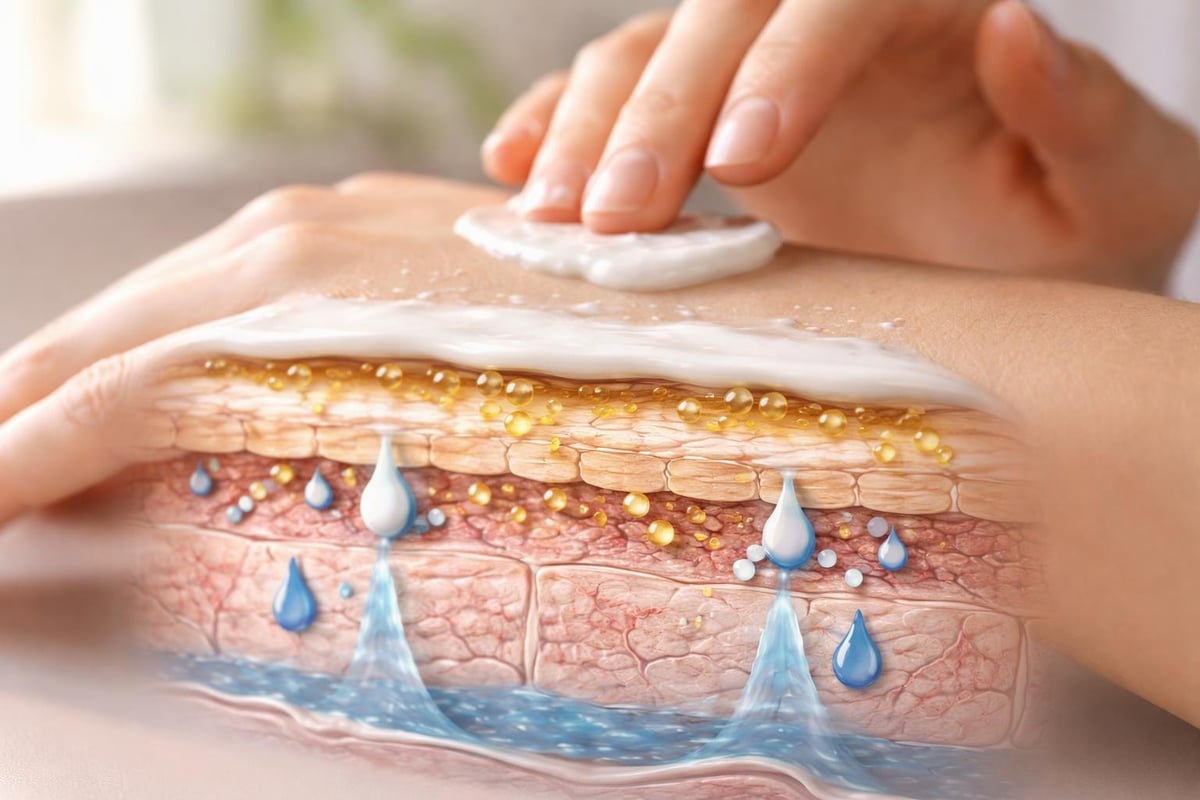
Your skin's outermost layer, the stratum corneum, functions as a protective barrier against water loss and external irritants. This barrier comprises dead skin cells held together by lipids in a structure often compared to bricks and mortar. When this barrier becomes compromised through washing or environmental stress, moisture escapes more readily whilst irritants penetrate more easily.
A properly formulated hand moisturiser works by reinforcing this barrier structure. Different ingredients address specific aspects of barrier function:
- Occlusives create a physical seal on the skin's surface, preventing water evaporation
- Emollients fill gaps between skin cells, smoothing texture and improving flexibility
- Humectants attract and bind water molecules, drawing moisture into the skin
- Skin-identical ingredients replenish natural components lost through washing
Key Ingredients That Transform Hand Care
Understanding ingredient categories helps you select the most effective hand moisturiser for your specific needs. Natural formulations, like those offered by Grounded Body, prioritise ingredients that work synergistically with your skin's biology.
Humectants: Drawing Moisture Into Skin
Humectants are hygroscopic substances that attract water from both the atmosphere and deeper skin layers. Glycerin stands as the most researched humectant, proven effective at concentrations between three and five per cent. Hyaluronic acid holds up to one thousand times its weight in water, making it exceptionally powerful for plumping and hydrating skin.
Natural alternatives include honey, aloe vera, and plant-derived glycerin. These ingredients not only hydrate but often provide additional benefits such as antioxidant protection or soothing properties.
| Humectant Type | Water-Binding Capacity | Additional Benefits |
|---|---|---|
| Glycerin | High | Skin barrier repair, antimicrobial |
| Hyaluronic Acid | Very High | Plumping, collagen support |
| Aloe Vera | Moderate | Soothing, anti-inflammatory |
| Honey | Moderate | Antibacterial, wound healing |
Emollients: Softening and Smoothing
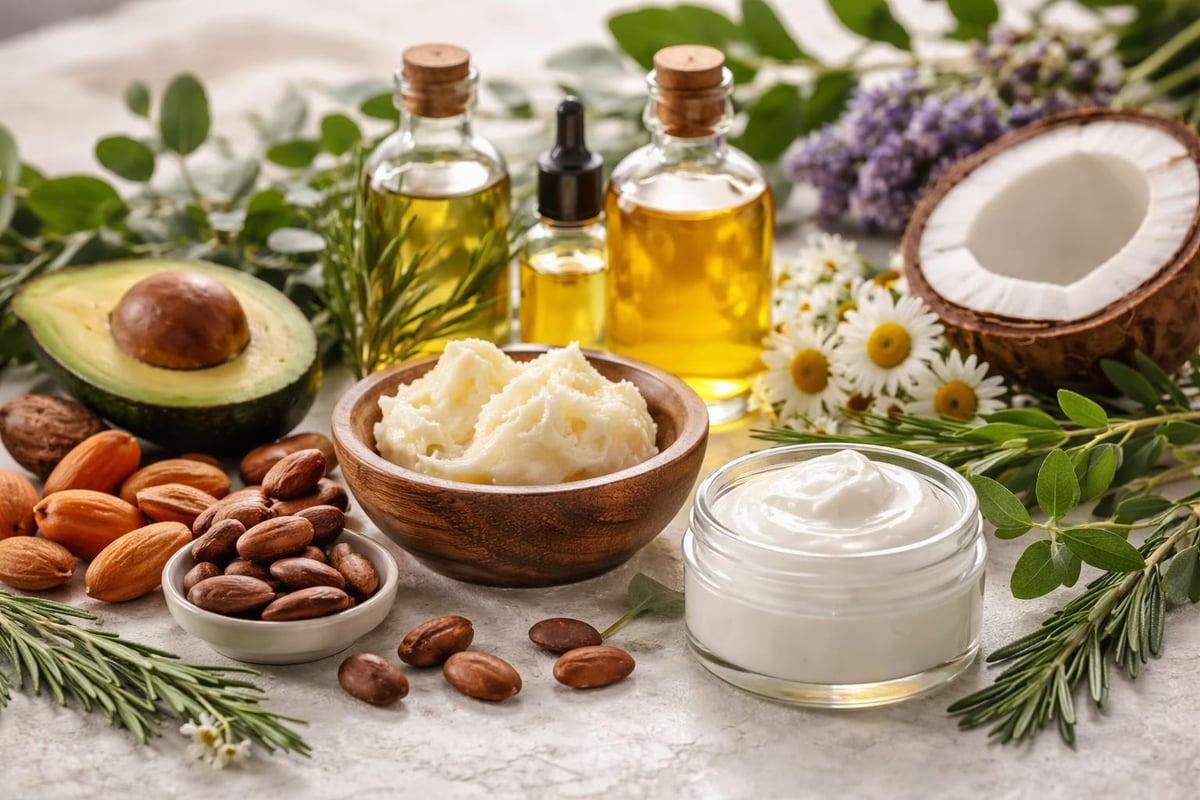
Emollients fill the microscopic cracks between skin cells, creating a smooth surface whilst improving the skin's flexibility. Natural oils like jojoba, sweet almond, and coconut oil serve as excellent emollients whilst delivering vitamins and fatty acids.
Shea butter and cocoa butter provide rich emollient properties particularly beneficial for extremely dry or cracked hands. These ingredients also contain natural antioxidants that protect against environmental damage.
Occlusives: Sealing in Moisture
Occlusives form a protective layer on the skin's surface, dramatically reducing transepidermal water loss. Whilst petroleum jelly remains the most occlusive ingredient, natural alternatives include beeswax, plant waxes, and certain plant oils high in oleic acid.
For daytime use, lighter occlusives work well under gloves or during normal activities. Evening applications can incorporate richer occlusives for intensive overnight repair.
Choosing the Right Formula for Your Lifestyle
Different circumstances demand different formulations. Your ideal hand moisturiser should match your daily routines, environmental conditions, and specific skin concerns.
For Frequent Hand Washers
Healthcare workers, food service professionals, and parents of young children often wash their hands dozens of times daily. The American Academy of Dermatology recommends applying moisturiser after every wash to prevent irritant contact dermatitis.
Fast-absorbing formulas with balanced humectant and emollient content work best for frequent application. Look for ingredients that strengthen the skin barrier without leaving greasy residue that interferes with activities.
Cold Weather Protection
Winter air holds less moisture, whilst indoor heating further dehydrates skin. Cold weather hand moisturiser should contain higher concentrations of occlusives to combat environmental moisture loss. Richer textures applied before outdoor exposure create a protective shield against wind and cold.
Professional and Social Considerations
Office environments and social situations often require quickly absorbed formulas that won't transfer to papers, keyboards, or other surfaces. Gel-cream textures or lightweight lotions provide moisture without the heavy feel of traditional hand creams.
Application Techniques That Maximise Benefits
How you apply hand moisturiser significantly impacts its effectiveness. Proper technique ensures even distribution and optimal absorption whilst targeting areas most prone to dryness.
The Optimal Application Method
- Apply hand moisturiser to slightly damp hands when possible, as this helps seal in existing moisture
- Use approximately a hazelnut-sized amount, adjusting for hand size and product consistency
- Start by warming the product between your palms
- Massage into the backs of hands using circular motions
- Work between fingers and around knuckles where skin often becomes particularly dry
- Don't neglect cuticles and the delicate skin around nails
- Finish by pressing any remaining product into wrists and lower forearms
The entire process should take 30 to 45 seconds. Rushing application means missing areas and achieving incomplete coverage.
Strategic Timing Throughout the Day
Morning application after showering provides a foundation of protection. Midday reapplication combats cumulative environmental stress. Evening application, particularly before bed, allows for intensive repair during skin's natural regeneration cycle.
Consider keeping multiple tubes strategically placed: beside the kitchen sink, in your desk drawer, in your bag, and on your bedside table. Accessibility encourages consistent use, which is crucial for maintaining skin health.
Addressing Common Hand Skin Concerns
Beyond general dryness, hands can develop specific issues requiring targeted care. Understanding these concerns helps you select appropriate treatments and preventive measures.
Age-Related Changes
Hands often reveal age before facial skin does. Loss of collagen and elastin leads to thinning skin and prominent veins. Decreased oil production exacerbates dryness. Age spots and uneven pigmentation become more noticeable.
Hand moisturiser formulated with age-defying ingredients can help address these concerns. Whilst anti-ageing facial care often receives primary attention, hands deserve equal consideration. Products containing retinol alternatives, vitamin C, or peptides support collagen production and even skin tone.
Sensitivity and Irritation
Frequent hand washing and sanitiser use can trigger sensitivity, redness, or contact dermatitis. Studies have shown that proper moisturising plays a crucial role in preventing irritation from necessary hygiene practices.
Sensitive skin requires fragrance-free formulations with minimal ingredients. Soothing botanicals like chamomile, calendula, or oat extract can calm inflammation whilst providing moisture. Avoiding common irritants such as synthetic fragrances, dyes, and harsh preservatives prevents additional stress on compromised skin.
Occupational Dermatitis
Certain professions expose hands to particularly harsh conditions. Mechanics, hairdressers, cleaners, and construction workers face ongoing chemical exposure that can lead to chronic dermatitis. Barrier creams applied before work, combined with regular moisturising throughout the day, help protect against occupational skin damage.
The Natural Advantage in Hand Care
Natural ingredients offer distinct benefits for hand moisturiser formulations. Plant-based oils provide not only moisture but also vitamins, minerals, and antioxidants that support overall skin health. Unlike synthetic alternatives, natural ingredients tend to work synergistically with the skin's own processes.
When selecting products from specialists like Grounded Body, you're choosing formulations that prioritise ingredient integrity and skin compatibility. Natural moisturisers typically contain fewer potential irritants whilst delivering effective hydration through time-tested botanical ingredients.
Building a Comprehensive Hand Care Routine
Hand moisturiser forms the cornerstone of hand care, but integrating it into a broader routine amplifies results. A holistic approach addresses cleansing, protection, and treatment.
Gentle Cleansing Practices
Harsh soaps strip natural oils more aggressively than necessary. Choose gentle, pH-balanced cleansers that clean effectively without excessive degreasing. Pat hands dry rather than rubbing vigorously, which can irritate skin and disrupt the barrier.
During colder months, consider slightly cooler water for hand washing, as hot water further depletes natural oils. This small adjustment can significantly reduce dryness over time.
Protective Measures
Prevention reduces the repair work your hand moisturiser must accomplish. Wear gloves when cleaning, gardening, or exposing hands to harsh conditions. Cotton gloves worn over moisturiser overnight intensify treatment, allowing deeper penetration of beneficial ingredients.
During peak sun exposure, hands require protection just as facial skin does. UV damage accelerates ageing and increases skin cancer risk, even on hands. Choose hand moisturiser with broad-spectrum SPF for daytime use or apply separate sun protection.
Weekly Intensive Treatments
Beyond daily moisturising, weekly treatments provide deeper restoration. Exfoliation removes dead skin cells that prevent moisture absorption. Gentle body scrubs adapted for hand use can smooth rough patches, particularly around knuckles.
Following exfoliation, apply a generous layer of rich hand moisturiser and cover with cotton gloves for 20 to 30 minutes. This creates an occlusive environment that drives moisture deep into skin layers.
Special Considerations for Different Skin Types
Whilst everyone benefits from hand moisturiser, different skin types require adjusted approaches. Recognising your skin type helps you select optimal formulations and adjust application frequency.
Oily Skin Types
Yes, even naturally oily skin requires hand moisturiser. The backs of hands produce less oil than palms, and frequent washing affects all skin types. Choose lightweight, non-comedogenic formulas with gel-cream textures that hydrate without adding excess oil.
Dry to Very Dry Skin
Naturally dry skin types need richer formulations with higher concentrations of occlusives and emollients. Consider products containing shea butter, cocoa butter, or plant oils high in omega fatty acids. Apply more frequently, particularly after any water exposure.
Combination Skin
Hands with combination characteristics (oily palms, dry backs) benefit from targeted application. Use lighter formulas on palms whilst applying richer products to the backs of hands where dryness typically concentrates.
Understanding Product Labels and Claims
The hand moisturiser market overflows with products making various claims. Decoding labels helps you identify genuinely beneficial formulations versus marketing hyperbole.
Ingredient Order Matters
Ingredients appear in descending order by concentration. If water tops the list followed by beneficial ingredients, you're getting meaningful amounts. If key ingredients appear near the end after multiple preservatives or fillers, their concentration may be too low for significant benefit.
Meaningful Certifications
Look for certifications that indicate genuine quality standards. Organic certifications, cruelty-free designations, and dermatologist testing represent verified claims rather than unsubstantiated marketing language.
Avoiding Problematic Ingredients
Certain ingredients commonly found in conventional hand moisturiser may cause issues for some users:
- Parabens: Preservatives linked to hormonal disruption in some studies
- Synthetic fragrances: Common allergens and irritants, particularly for sensitive skin
- Mineral oil: Occlusive but may prevent skin's natural functions
- Formaldehyde-releasing preservatives: Potential irritants and allergens
Natural formulations typically avoid these controversial ingredients, relying instead on plant-based alternatives that provide similar benefits without potential drawbacks.
The Connection Between Hand and Overall Skin Health
Your hands serve as indicators of overall skin health and self-care practices. Well-maintained hands suggest attention to detail and comprehensive body care routines. Conversely, neglected hands can undermine an otherwise polished appearance.
Many who invest in facial skincare overlook their hands, creating an inconsistency that becomes increasingly noticeable with age. Integrated skincare routines that address face, body, and hands deliver more harmonious, complete results.
Cost-Effectiveness and Value Assessment
Premium hand moisturiser might seem like an unnecessary expense, but calculating cost per application reveals surprising value. A quality product used correctly lasts considerably longer than cheap alternatives that require frequent reapplication due to poor performance.
Consider that effective hand moisturiser prevents problems that may eventually require professional treatment. Dermatitis, cracking, and severe dryness can necessitate prescription treatments costing far more than preventive care. Investment in quality daily products represents genuine economy compared to treating neglected skin conditions.
| Consideration | Budget Products | Premium Natural Products |
|---|---|---|
| Ingredient Quality | Variable, often synthetic | High-quality, naturally derived |
| Absorption Rate | Often slow, greasy residue | Typically faster, non-greasy |
| Required Amount | More product needed | Less product achieves results |
| Lasting Results | Temporary relief | Cumulative improvement |
| Skin Compatibility | May cause sensitivity | Generally better tolerated |
Seasonal Adjustments to Hand Care
Just as you adjust facial skincare seasonally, your hand moisturiser routine should adapt to changing environmental conditions throughout the year.
Spring and Summer Strategies
Warmer months with higher humidity require lighter formulations. Focus on sun protection, as UV exposure intensifies during these seasons. Quick-absorbing lotions work well for active outdoor lifestyles whilst providing necessary hydration without heavy feel.
Autumn and Winter Intensive Care
Colder months demand richer formulations with higher occlusive content. Indoor heating creates particularly dehydrating conditions. Increase application frequency and consider overnight treatments several times weekly. Layer products if needed, applying a lightweight hydrator followed by a richer protective cream.
Professional Treatments and At-Home Care
Whilst professional hand treatments offer intensive results, consistent at-home care with quality hand moisturiser maintains and extends those benefits. Professional paraffin treatments, masks, and exfoliation complement daily routines but cannot replace regular moisturising.
Think of professional treatments as periodic intensive sessions whilst viewing daily hand moisturiser application as the foundation that sustains hand health between appointments. This combination delivers optimal long-term results.
Long-Term Benefits of Consistent Hand Moisturising
The cumulative effects of regular hand moisturiser use extend far beyond immediate softness. Consistent care builds skin resilience, delays visible ageing, and maintains the hands' natural protective functions.
Research indicates that preventive moisturising proves far more effective than attempting to repair severely compromised skin. Starting a comprehensive hand care routine before problems develop preserves the skin's inherent strength and appearance. Even if damage already exists, consistent care gradually restores health and function.
Well-moisturised hands also respond better to other treatments. Whether addressing age spots, uneven texture, or loss of firmness, products penetrate and perform more effectively on properly hydrated skin.
Protecting your hands with quality moisturising products isn't vanity; it's essential self-care that preserves skin health and function whilst preventing uncomfortable conditions and premature ageing. Whether you're addressing existing dryness or implementing preventive care, the right approach combines understanding your skin's needs with selecting appropriate natural formulations. Explore Grounded Body's range of naturally formulated skincare products designed to nourish and protect your skin from head to toe, bringing the same care to your hands that you extend to the rest of your body.