
Hyperpigmentation Products: Complete Guide 2026
Hyperpigmentation remains one of the most common skincare concerns affecting individuals across all skin types and ages. Whether caused by sun exposure, hormonal changes, inflammation, or ageing, dark spots and uneven skin tone can significantly impact confidence and appearance. Understanding which ingredients work effectively and how to incorporate them into a skincare routine has become increasingly important as the market expands with numerous options. Natural, science-backed solutions offer gentle yet powerful alternatives to harsh chemical treatments, making it possible to achieve visible results whilst maintaining skin health.
Understanding Hyperpigmentation and Its Causes
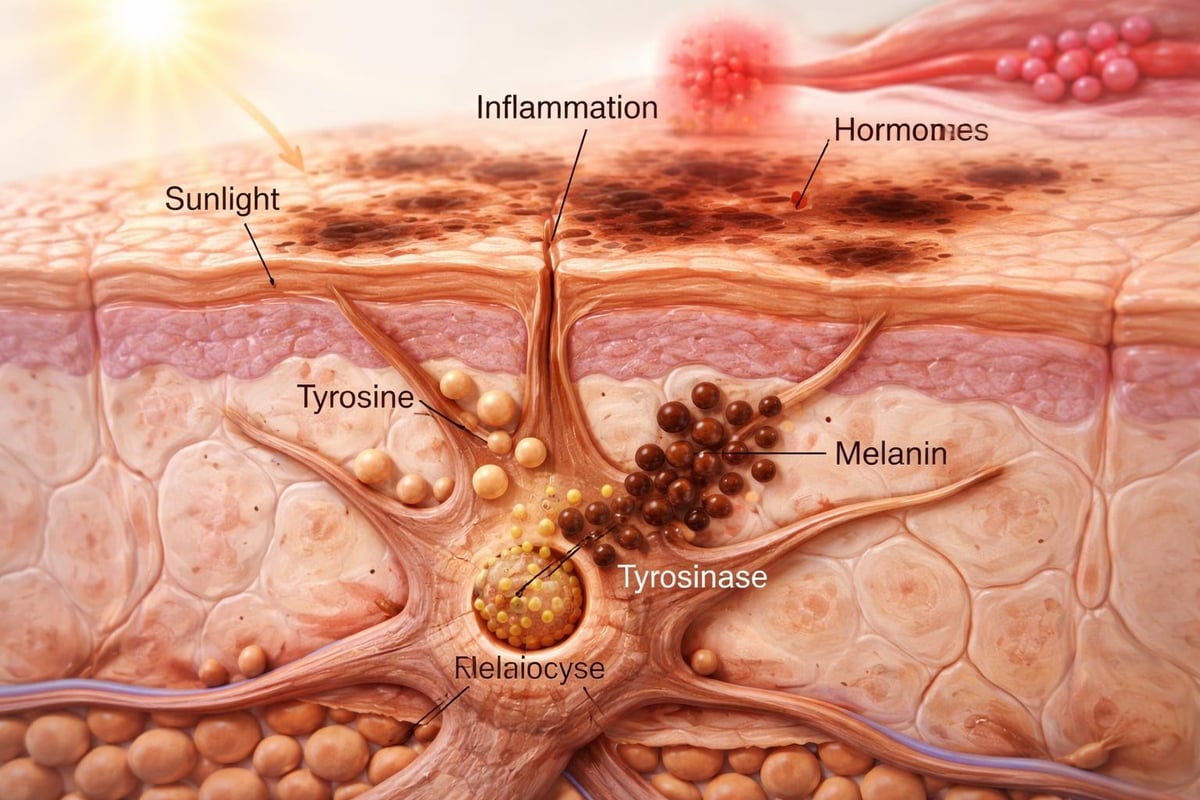
Hyperpigmentation occurs when excess melanin forms deposits in the skin, creating patches darker than the surrounding area. This condition manifests in several forms, including post-inflammatory hyperpigmentation (PIH), melasma, sunspots, and age spots.
Post-inflammatory hyperpigmentation develops following skin injury or inflammation, such as acne, eczema, or burns. The inflammatory response triggers melanocytes to produce excess pigment, leaving behind dark marks long after the initial condition heals. Research published in peer-reviewed journals demonstrates that topical treatments can effectively reduce these marks when applied consistently.
Melasma presents as symmetrical brown or grey patches, typically on the face, and often relates to hormonal fluctuations during pregnancy or from oral contraceptives. Sun exposure exacerbates this condition significantly, making sun protection an essential component of any treatment plan.
The Science Behind Melanin Production
Melanin production involves a complex biochemical process called melanogenesis. Tyrosinase, the rate-limiting enzyme in this pathway, converts tyrosine into melanin within melanocytes. Effective hyperpigmentation products target this enzyme, interrupting the production cascade before excess pigment forms.
Several factors influence melanogenesis:
- UV radiation exposure triggers immediate melanin production as a protective response
- Hormonal fluctuations stimulate melanocyte activity, particularly in melasma cases
- Inflammatory mediators released during skin trauma activate pigment-producing pathways
- Genetic predisposition determines baseline melanin levels and response to triggers
- Age-related changes affect melanocyte distribution and regulation
Key Ingredients in Effective Hyperpigmentation Products
The most successful hyperpigmentation products combine multiple active ingredients that work synergistically to reduce existing pigmentation whilst preventing new dark spots from forming. Understanding these ingredients helps consumers make informed decisions about their skincare investments.
Retinol and Retinoids
Retinol accelerates cellular turnover, bringing fresh, unpigmented cells to the surface whilst pushing pigmented cells outward. This vitamin A derivative also inhibits tyrosinase activity and promotes collagen production. When comparing different anti-ageing treatments, understanding retinol vs botox helps clarify their distinct mechanisms.
The ingredient works by binding to retinoic acid receptors in skin cells, triggering increased cell division and differentiation. This process gradually fades dark spots over weeks to months of consistent use.
Vitamin C (Ascorbic Acid)
Vitamin C functions as both an antioxidant and a tyrosinase inhibitor. It neutralizes free radicals generated by UV exposure whilst directly interfering with melanin synthesis. The ingredient also brightens existing pigmentation through its reduction properties.
L-ascorbic acid represents the most bioavailable form, though its instability requires careful formulation. Derivatives like magnesium ascorbyl phosphate and sodium ascorbyl phosphate offer greater stability with slightly reduced potency.
Natural Botanical Extracts
Botanically derived agents have gained considerable attention for their ability to address hyperpigmentation without the irritation associated with some synthetic alternatives. These plant-based ingredients offer multiple mechanisms of action.
| Botanical Extract | Primary Action | Additional Benefits |
|---|---|---|
| Liquorice Root | Tyrosinase inhibition | Anti-inflammatory properties |
| Kojic Acid | Melanin suppression | Antioxidant activity |
| Arbutin | Tyrosinase blocking | Gentle, well-tolerated |
| Niacinamide | Melanin transfer inhibition | Barrier strengthening |
| Azelaic Acid | Multiple pathways | Antibacterial effects |
These ingredients demonstrate particular effectiveness when combined, as they target different stages of the pigmentation process.
Formulation Considerations for Maximum Effectiveness
Product formulation significantly influences ingredient penetration and efficacy. The best hyperpigmentation products balance active ingredient concentration with vehicle design to optimize delivery whilst minimizing irritation.
pH and Stability Factors
Many active ingredients require specific pH ranges for stability and effectiveness. Vitamin C performs optimally at pH 2.0-3.5, whilst retinol maintains stability in slightly acidic to neutral formulations. Formulators must balance these requirements with skin compatibility.
Antioxidants protect sensitive ingredients from degradation. Vitamin E, ferulic acid, and ubiquinone extend product shelf life whilst providing their own skin benefits. Airless pump packaging further preserves ingredient integrity.
Penetration Enhancers and Delivery Systems
Advanced delivery systems improve ingredient penetration into the epidermis where melanocytes reside. Liposomal encapsulation, for instance, protects active ingredients whilst facilitating their passage through the stratum corneum.
Common penetration enhancers include:
- Hyaluronic acid in various molecular weights
- Ceramides that temporarily increase barrier permeability
- Dimethyl sulfoxide (DMSO) derivatives
- Cyclodextrins for ingredient stabilization
- Peptide carriers that guide actives to target sites
These technologies allow lower concentrations of actives to achieve comparable results with reduced irritation risk.
Building an Effective Treatment Routine
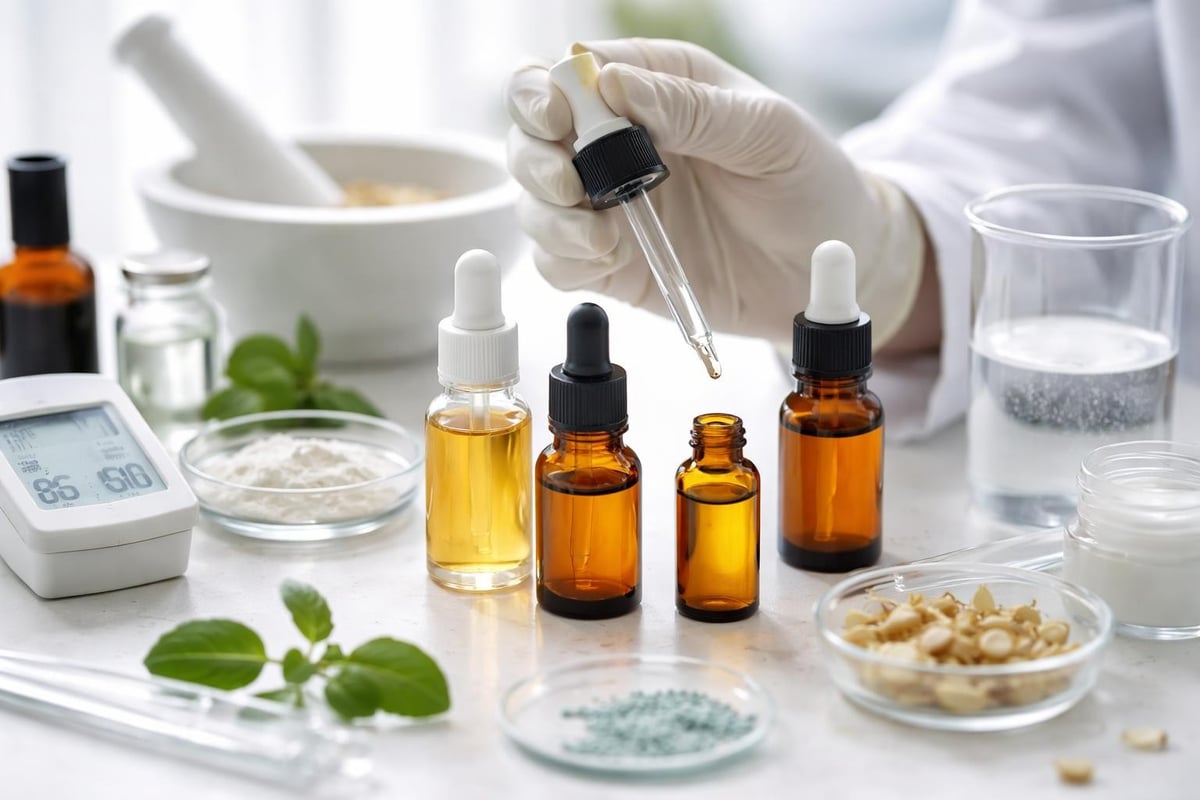
Successfully addressing hyperpigmentation requires a strategic, layered approach. Simply applying active products randomly will not yield optimal results and may cause irritation or compromise the skin barrier.
Morning Protection Protocol
Morning routines focus primarily on protection, as prevention proves easier than correction. This approach limits further damage whilst treatment products work to fade existing pigmentation.
- Gentle cleanser removes overnight sebum without stripping
- Antioxidant serum neutralizes environmental free radicals
- Moisturizer with barrier support maintains hydration
- Broad-spectrum SPF 50 prevents UV-induced melanogenesis
- Reapplication every two hours during extended sun exposure
Sun protection represents the single most critical step. Without adequate UV protection, treatment products cannot overcome ongoing photodamage.
Evening Treatment Strategy
Evening routines incorporate active ingredients that target melanin production and accelerate cell turnover. These products work overnight when skin undergoes natural repair processes.
The optimal sequence depends on product formulations and individual skin tolerance. Generally, water-based serums precede oil-based products, whilst prescription-strength treatments apply to clean, dry skin.
Those seeking natural skin care solutions can achieve excellent results by selecting plant-based formulations with proven active ingredients. Natural doesn't mean ineffective when products contain appropriate concentrations of evidence-backed botanicals.
Professional-Grade vs Consumer Hyperpigmentation Products
The skincare market offers products ranging from over-the-counter formulations to professional-grade treatments. Understanding these distinctions helps consumers select appropriate options for their specific concerns and skin sensitivity.
Concentration and Formulation Differences
Professional products typically contain higher concentrations of active ingredients, though this doesn't automatically make them superior. Skin tolerance, formulation sophistication, and complementary ingredients often matter more than raw percentage numbers.
| Product Type | Typical Concentrations | Application Frequency | Expected Results Timeline |
|---|---|---|---|
| Consumer Retinol | 0.25% - 1.0% | Daily to alternate days | 8-12 weeks |
| Vitamin C Serum | 10% - 20% | Once or twice daily | 6-10 weeks |
| Niacinamide | 2% - 10% | Twice daily | 4-8 weeks |
| Alpha Arbutin | 1% - 2% | Twice daily | 8-12 weeks |
| Professional Peels | 20% - 70% acids | Weekly to monthly | 4-6 treatments |
Higher concentrations accelerate results but increase irritation risk. Gradual introduction allows skin adaptation whilst minimizing adverse reactions.
When to Consider Professional Treatments
Multimodal management strategies combining at-home products with professional interventions often produce superior outcomes for stubborn hyperpigmentation. Chemical peels, laser treatments, and microneedling address pigmentation through complementary mechanisms.
Deep melasma, widespread sun damage, or pigmentation resistant to topical treatments may require professional assessment. Dermatologists can prescribe hydroquinone or tretinoin at prescription strengths unavailable in consumer products.
Natural Alternatives and Gentle Options
Many individuals prefer natural hyperpigmentation products that deliver results without synthetic ingredients or harsh side effects. Plant-based actives have demonstrated significant efficacy in clinical studies whilst offering excellent tolerability.
Plant-Derived Tyrosinase Inhibitors
Natural compounds extracted from plants often exhibit multiple beneficial properties beyond pigmentation control. These ingredients provide antioxidant protection, anti-inflammatory effects, and barrier support alongside their brightening action.
Liquorice root extract contains glabridin, which inhibits tyrosinase whilst providing anti-inflammatory benefits. Studies show concentrations as low as 0.5% produce visible improvements in hyperpigmentation over twelve weeks of consistent use.
Mulberry extract offers both tyrosinase inhibition and antioxidant activity through compounds like mulberroside F. This gentle ingredient suits sensitive skin types that cannot tolerate retinoids or high-strength acids.
Gentle Exfoliation Approaches
Cell turnover acceleration removes pigmented cells without the irritation associated with strong chemical exfoliants. Enzymatic exfoliants derived from papaya, pineapple, or pumpkin offer mild yet effective alternatives.
These enzymes selectively digest dead skin cells, revealing brighter skin beneath. Unlike physical scrubs, they work without mechanical friction that might trigger post-inflammatory hyperpigmentation in sensitive or acne-prone skin.
For those exploring comprehensive face care routines, incorporating gentle exfoliation two to three times weekly supports other brightening ingredients whilst maintaining skin health.
Advanced Ingredients and Emerging Technologies
The skincare industry continually develops innovative ingredients and delivery systems for hyperpigmentation treatment. Understanding these advances helps consumers identify cutting-edge options that offer enhanced results.
Bakuchiol: The Natural Retinol Alternative
Bakuchiol has emerged as a plant-based alternative to retinol, offering similar benefits without the associated irritation. This meroterpene phenol extracted from Psoralea corylifolia stimulates collagen production and reduces pigmentation through gentler pathways.
Clinical trials demonstrate bakuchiol's ability to improve hyperpigmentation, fine lines, and skin texture comparably to retinol whilst causing significantly less irritation, redness, or photosensitivity. This makes it particularly valuable for sensitive skin or those unable to tolerate traditional retinoids.
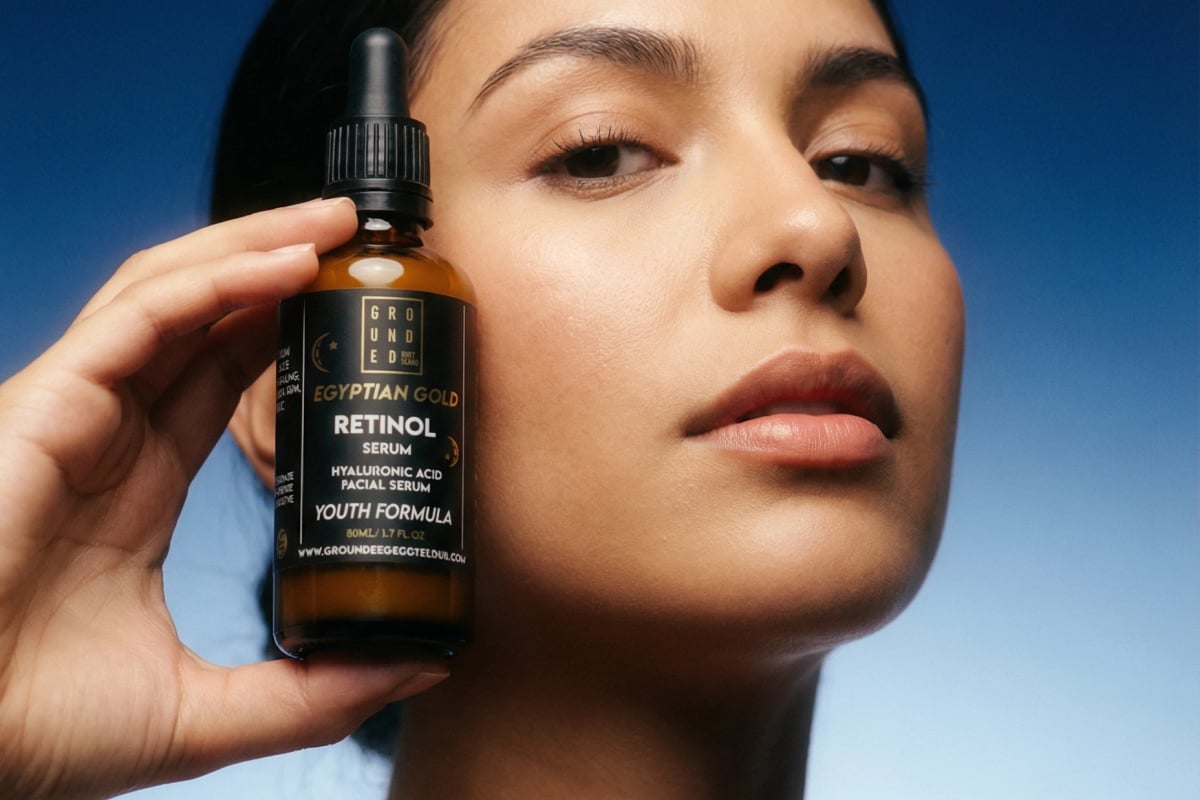
Grounded Body recognizes the importance of gentle yet effective ingredients in addressing multiple skin concerns simultaneously. The Egyptian Gold Retinol Serum combines powerful actives with nourishing natural ingredients to target wrinkles, fine lines, and uneven skin tone whilst supporting overall skin health.
Tranexamic Acid for Stubborn Melasma
Tranexamic acid has gained recognition for its effectiveness against melasma and post-inflammatory hyperpigmentation. Originally used to reduce bleeding, this ingredient inhibits melanin synthesis through multiple mechanisms.
It blocks plasmin activation, reducing inflammation-induced pigmentation. Tranexamic acid also inhibits tyrosinase and melanocyte activity directly. Concentrations between 2% and 5% demonstrate significant improvements in stubborn pigmentation resistant to other treatments.
Addressing Different Skin Types and Tones
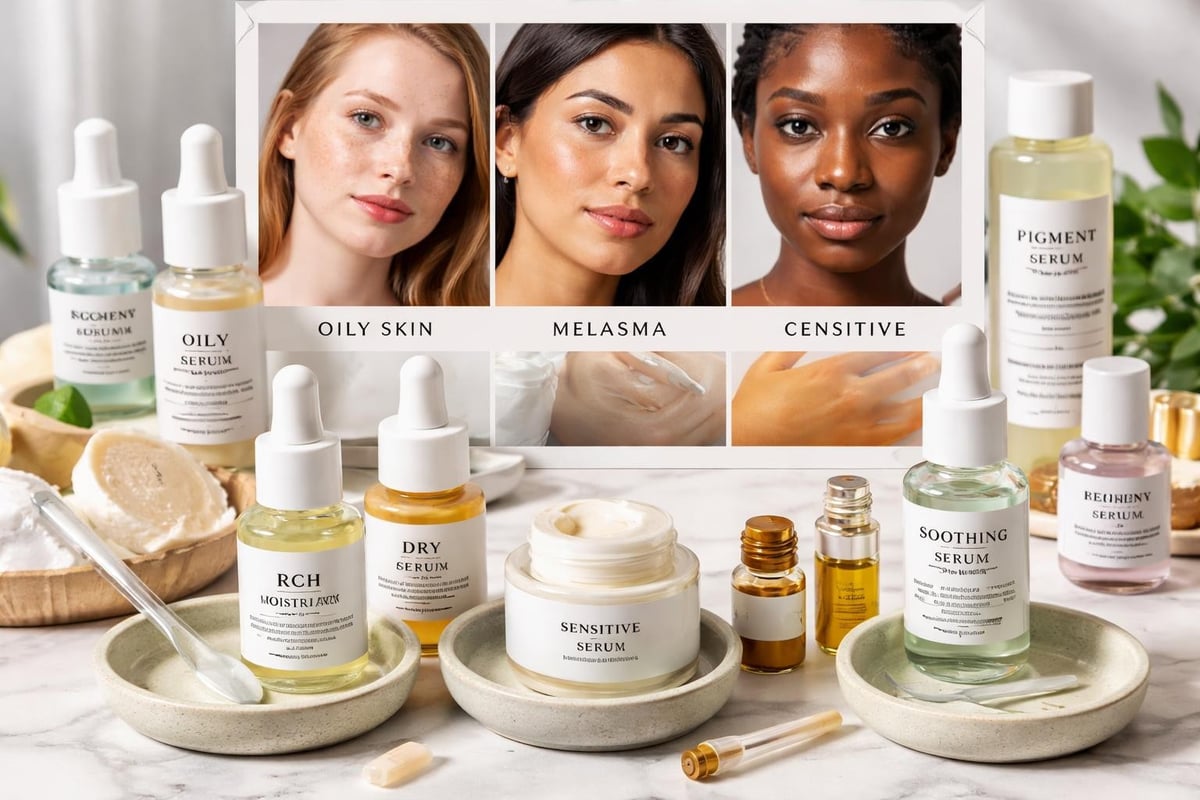
Hyperpigmentation manifests differently across skin types, requiring tailored approaches. Comprehensive treatment reviews highlight the importance of customizing protocols based on individual characteristics.
Considerations for Darker Skin Tones
Melanin-rich skin demonstrates increased reactivity to inflammation and injury, making post-inflammatory hyperpigmentation particularly common. Treatment requires extra caution, as aggressive approaches may worsen pigmentation rather than improve it.
Gentle ingredients like niacinamide, azelaic acid, and arbutin offer effective results without triggering reactive hyperpigmentation. Starting with lower concentrations and gradually increasing allows tolerance assessment before committing to stronger formulations.
Physical sun protection through clothing and shade complements chemical sunscreens, as mineral filters alone may leave visible white casts on deeper skin tones. Tinted mineral sunscreens or combination products address this concern.
Sensitive Skin Protocols
Sensitive skin requires particularly careful ingredient selection and introduction protocols. Many effective hyperpigmentation products contain potentially irritating actives that must be balanced with soothing, barrier-supporting components.
Strategies for sensitive skin include:
- Starting with lowest available concentrations
- Applying active products every second or third night initially
- Sandwiching actives between moisturizer layers (buffering technique)
- Incorporating barrier-repair ingredients like ceramides and cholesterol
- Avoiding multiple new actives simultaneously
Patch testing new products on a small area before full-face application identifies potential reactions before they become widespread problems.
Common Mistakes to Avoid
Even well-formulated hyperpigmentation products fail to deliver results when used incorrectly. Understanding common pitfalls helps consumers maximize their investment whilst protecting skin health.
Overuse and Excessive Layering
More doesn't always mean better in skincare. Applying excessive amounts of active ingredients or combining too many potent products simultaneously overwhelms skin's capacity to process them effectively.
This approach frequently triggers irritation, barrier damage, and paradoxically, worsening hyperpigmentation. Starting with one or two targeted products allows assessment of individual effectiveness and tolerance.
Inconsistent Application Patterns
Hyperpigmentation responds to consistent, sustained treatment rather than sporadic application. Active ingredients require weeks to months of regular use before producing visible improvements.
Many users abandon effective products prematurely, switching to new options before allowing sufficient time for results. Maintaining a consistent routine for at least eight to twelve weeks provides realistic assessment of product efficacy.
Neglecting Sun Protection
No amount of treatment products can overcome ongoing UV damage. Understanding hyperpigmentation treatments emphasizes that sun protection represents the foundation upon which all other interventions build.
Skipping sunscreen or applying insufficient amounts negates the benefits of even the most sophisticated brightening products. Daily broad-spectrum SPF 30 minimum (preferably SPF 50) applied generously and reapplied regularly maintains treatment progress.
Long-Term Maintenance Strategies
Successfully fading hyperpigmentation represents only half the battle. Maintaining results requires ongoing commitment to protective and preventive measures that limit recurrence.
Sustainable Skincare Routines
Long-term success depends on sustainable routines that fit realistically into daily life. Overly complicated protocols tend to fail over time as enthusiasm wanes or circumstances change.
A streamlined maintenance approach might include:
- Morning: gentle cleanser, antioxidant serum, moisturizer, SPF 50
- Evening: cleanser, treatment serum (retinol or vitamin C), night cream
- Weekly: gentle exfoliation to maintain cell turnover
- Monthly: assessment and adjustment based on results
This simplified structure provides consistency without overwhelming complexity.
Seasonal Adjustments
Skin requirements change with seasons, necessitating routine modifications. Summer demands heightened sun protection and potentially lighter formulations, whilst winter may require richer moisturizers to combat dryness.
UV intensity increases significantly during summer months, making diligent sun protection even more critical. Conversely, winter's lower humidity levels may necessitate additional hydration to prevent barrier compromise that could trigger reactive pigmentation.
Integration with Comprehensive Skincare Goals
Hyperpigmentation rarely exists in isolation. Most individuals pursue multiple skincare objectives simultaneously, requiring strategic product selection that addresses various concerns without overwhelming skin.
Multi-Benefit Product Selection
Choosing products that serve multiple purposes streamlines routines whilst maximizing results. Niacinamide, for instance, addresses hyperpigmentation whilst strengthening barrier function, reducing inflammation, and regulating sebum production.
Retinol similarly targets pigmentation, fine lines, texture irregularities, and acne simultaneously. This multi-functional approach reduces the total number of products required whilst ensuring compatibility between items.
Balancing Treatment with Skin Health
Aggressive pursuit of pigmentation correction sometimes compromises overall skin health. Barrier damage, chronic inflammation, and excessive dryness ultimately impede progress by triggering reactive hyperpigmentation or reducing treatment tolerance.
Prioritizing barrier integrity through adequate hydration, lipid replenishment, and strategic use of anti-inflammatory ingredients creates optimal conditions for treatment products to work effectively. Healthy skin responds better to actives whilst resisting new pigmentation formation.
Those interested in holistic approaches can explore anti-ageing skincare strategies that address multiple concerns through comprehensive, balanced routines supporting long-term skin health.
Realistic Expectations and Timeline
Understanding realistic timelines for hyperpigmentation improvement prevents premature product abandonment and unnecessary frustration. Different pigmentation types respond at varying rates to treatment.
Typical Improvement Patterns
Surface-level pigmentation from recent sun exposure or minor inflammation fades more quickly than deep, long-standing melasma or extensive photodamage. Most individuals notice initial improvements within four to eight weeks, with continued enhancement over subsequent months.
Optimal results typically require:
- Post-inflammatory hyperpigmentation: 2-6 months
- Sun spots and age spots: 3-6 months
- Melasma: 6-12 months or ongoing management
- Deep dermal pigmentation: 12+ months or professional intervention
Photographic documentation taken monthly under consistent lighting conditions helps track gradual improvements that might otherwise go unnoticed.
Factors Influencing Response Time
Several variables affect how quickly skin responds to hyperpigmentation products. Age influences cell turnover rates, with younger skin generally responding faster than mature skin.
Pigmentation depth significantly impacts treatment duration. Epidermal pigmentation responds more readily to topical treatments than dermal pigmentation, which may require professional interventions for satisfactory improvement.
Concurrent sun exposure, hormonal fluctuations, or inflammatory conditions can slow progress or trigger new pigmentation even whilst treating existing marks. Identifying and addressing these factors optimizes treatment outcomes.
Addressing hyperpigmentation effectively requires understanding ingredient mechanisms, building consistent routines, and maintaining realistic expectations throughout the treatment journey. Success comes from combining evidence-backed active ingredients with proper sun protection and barrier support, creating conditions where skin can respond optimally to treatment whilst preventing new pigmentation formation. Grounded Body offers thoughtfully formulated skincare solutions featuring natural ingredients that support your skin's health whilst targeting specific concerns like uneven tone, fine lines, and texture irregularities. Explore the range to discover products that align with your skincare goals and deliver visible results through gentle, effective formulations.