
Salicylic Acid and Tretinoin: A Complete Guide
Understanding active ingredients is essential for building an effective skincare routine. Two powerhouse compounds, salicylic acid and tretinoin, have gained significant attention for their proven abilities to address multiple skin concerns. Whilst both ingredients offer remarkable benefits, they work through different mechanisms and serve distinct purposes in facial care. This comprehensive guide explores how these actives function, their individual benefits, and the considerations for incorporating them into your routine safely.
Understanding Salicylic Acid in Skincare
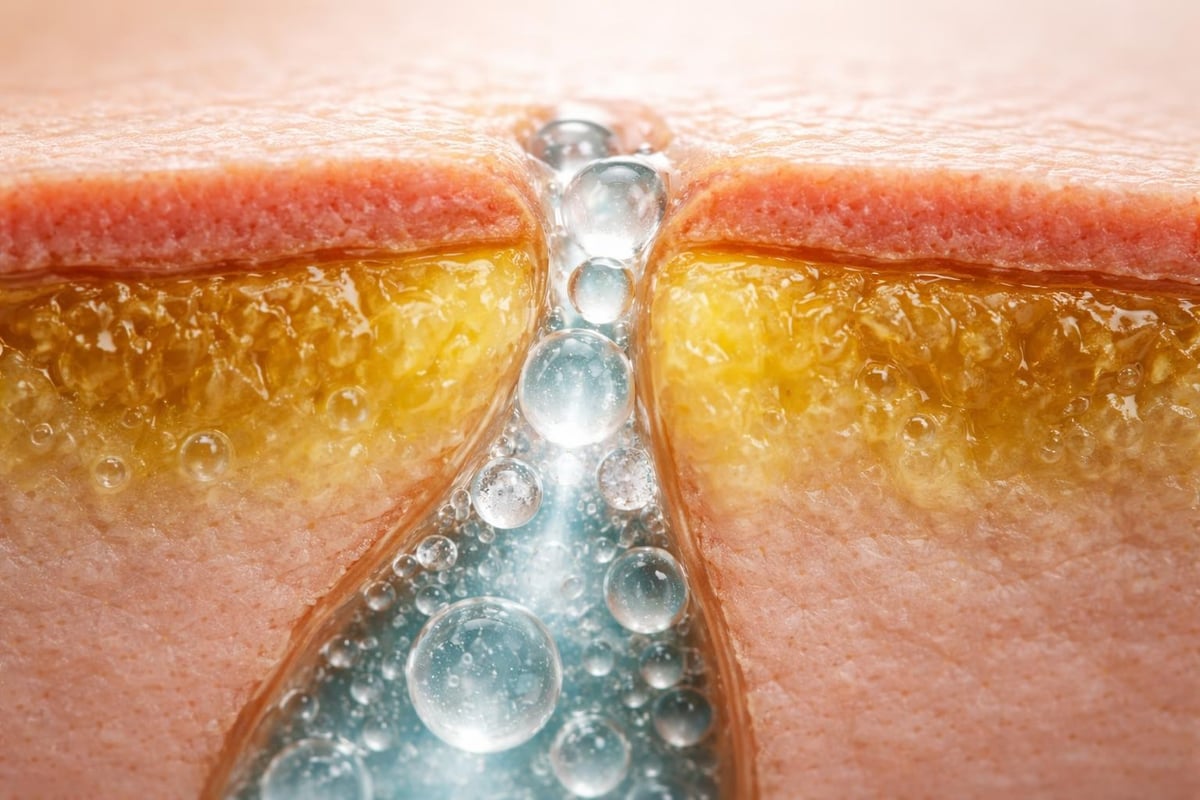
Salicylic acid belongs to the beta-hydroxy acid (BHA) family and has been extensively studied for its therapeutic applications in dermatology. This oil-soluble compound penetrates deeply into pores, making it particularly effective for treating congested skin and blemish-prone complexions.
How Salicylic Acid Works
The mechanism behind salicylic acid's effectiveness lies in its ability to break down the bonds between dead skin cells. Unlike water-soluble alpha-hydroxy acids, this BHA can penetrate through sebum, reaching deep into follicles where blockages form. This property makes it invaluable for preventing and treating breakouts.
Key actions include:
- Exfoliation: Removes dead skin cells from the surface and within pores
- Pore refinement: Reduces the appearance of enlarged pores by keeping them clear
- Anti-inflammatory effects: Calms redness and reduces inflammation associated with blemishes
- Oil regulation: Helps manage excess sebum production
Benefits and Concentrations
Research on topical treatments has demonstrated salicylic acid's effectiveness across various concentrations. Over-the-counter formulations typically range from 0.5% to 2%, whilst professional treatments may use higher percentages for specific concerns.
| Concentration | Application | Best For |
|---|---|---|
| 0.5-1% | Daily use products | Sensitive skin, prevention |
| 1-2% | Treatment products | Active breakouts, regular maintenance |
| 3-6% | Professional peels | Deep exfoliation, stubborn concerns |
Those seeking natural skincare solutions can find salicylic acid derived from willow bark, offering a gentler alternative to synthetic versions.
Exploring Tretinoin's Role in Skin Health
Tretinoin, a prescription-strength retinoid, represents one of the most researched and effective anti-ageing ingredients available. Clinical guidelines detail its extensive applications in treating various dermatological conditions, from acne to photoageing.
The Science Behind Tretinoin
This vitamin A derivative works at the cellular level, fundamentally altering how skin cells behave and regenerate. Unlike surface exfoliants, tretinoin communicates directly with cell nuclei, influencing gene expression and accelerating cellular turnover.
The compound achieves multiple outcomes:
- Accelerated cell renewal: Speeds up the natural shedding and replacement cycle
- Collagen stimulation: Promotes production of structural proteins
- Pigmentation correction: Fades dark spots and evens skin tone
- Pore normalisation: Regulates keratinisation within follicles
Clinical Applications and Strengths
Tretinoin requires a prescription in most countries, including the UK, due to its potency and potential side effects. Dermatologists prescribe varying strengths based on individual needs and tolerance levels.
Common formulations include:
- 0.025%: Starting strength for sensitive skin or first-time users
- 0.05%: Moderate strength for established tolerance
- 0.1%: Maximum strength for significant concerns or experienced users
Understanding the difference between prescription retinoids and over-the-counter alternatives helps inform treatment choices. For those considering retinoid options, comparing retinol versus other treatments provides valuable context.
Combining Salicylic Acid and Tretinoin Safely
The question of whether to use salicylic acid and tretinoin together generates considerable discussion among skincare enthusiasts and professionals. Whilst both ingredients offer powerful benefits individually, combining them requires careful consideration and strategic application.
Potential Benefits of Combined Use
When used appropriately, salicylic acid and tretinoin can complement each other's actions. The BHA keeps pores clear whilst the retinoid works on deeper cellular processes, potentially creating a synergistic effect for specific skin concerns.
Advantages include:
- Enhanced treatment of blemish-prone skin through multiple mechanisms
- More comprehensive approach to texture and tone improvement
- Targeted action at different skin layers for optimal results
Risks and Considerations
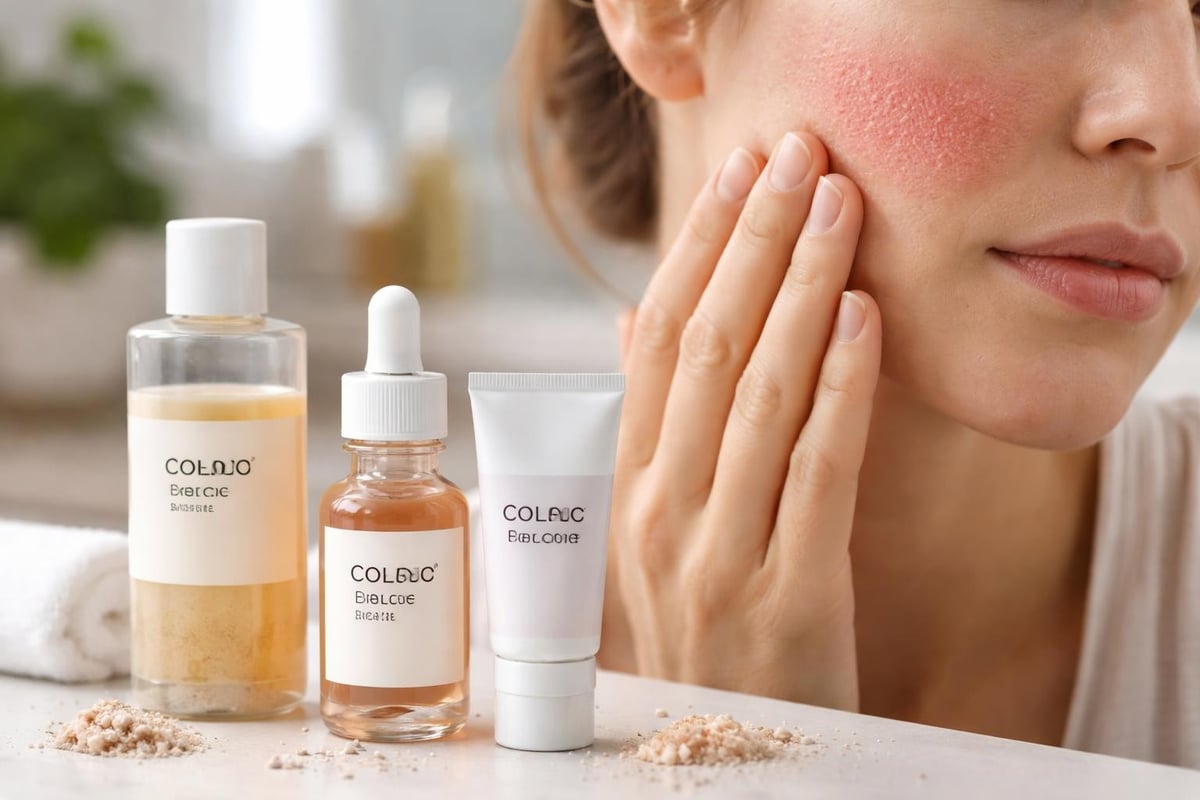
The primary concern when combining these actives centres on increased irritation potential. Both ingredients can cause sensitivity, dryness, and flaking, especially during initial use. Layering them intensifies these effects and may compromise the skin barrier.
Warning signs to monitor:
- Persistent redness or burning sensations
- Excessive dryness or flaking that doesn't improve
- Increased sensitivity to other products or environmental factors
- New breakouts or worsening of existing concerns
Strategic Application Methods
Those choosing to incorporate both salicylic acid and tretinoin into their routine must adopt strategic timing and application methods. Dermatologists recommend several approaches to minimise irritation whilst maximising benefits.
Alternating Day Protocol
The most conservative approach involves using each active on separate days. This method allows skin to recover between applications and reduces cumulative irritation.
Monday, Wednesday, Friday: Tretinoin application Tuesday, Thursday, Saturday: Salicylic acid application Sunday: Rest day with gentle, nourishing products
Time-Separated Application
Some individuals successfully use both actives on the same day by separating applications. Morning and evening routines provide natural separation points.
Morning routine might include salicylic acid for its pore-clearing and oil-controlling benefits, particularly beneficial for those with combination or oily skin types. Evening application of tretinoin aligns with its photosensitivity and allows overnight cellular renewal.
Gradual Introduction Strategy
Anyone new to either ingredient should introduce them individually before considering combination use. This approach establishes baseline tolerance and helps identify any adverse reactions.
- Begin with salicylic acid 2-3 times weekly for four weeks
- Introduce tretinoin twice weekly for four weeks
- Gradually increase frequency as tolerance develops
- Consider combining only after 2-3 months of individual use
Building a comprehensive body care routine alongside facial treatments ensures overall skin health.
Formulation and Product Selection
The vehicle delivering salicylic acid and tretinoin significantly impacts their effectiveness and tolerability. Understanding formulation differences helps optimise results whilst minimising irritation.
Salicylic Acid Formulations
The pharmacological properties of salicylic acid influence how different formulations perform. pH levels particularly affect efficacy, with optimal exfoliation occurring between pH 3-4.
| Product Type | Advantages | Considerations |
|---|---|---|
| Cleansers | Gentle, rinse-off application | Limited contact time |
| Toners | Even distribution, layerable | May contain drying alcohol |
| Serums | High concentration, targeted | Requires careful introduction |
| Spot treatments | Concentrated application | Risk of over-drying localised areas |
Tretinoin Vehicles
Tretinoin comes in cream, gel, and micro formulations, each offering distinct characteristics. Creams provide more moisture and suit drier complexions, whilst gels deliver higher concentrations suited to oilier skin types.
Micro-encapsulated tretinoin releases gradually, reducing irritation peaks whilst maintaining efficacy. This innovation has improved tolerability for many users who previously struggled with traditional formulations.
Managing Side Effects and Irritation
Both salicylic acid and tretinoin can cause temporary side effects as skin adjusts. Recognising normal adjustment responses versus problematic reactions ensures safe, effective use.
Common Initial Reactions
The "retinisation" period with tretinoin typically lasts 4-12 weeks and includes dryness, flaking, and occasional purging. Salicylic acid may cause initial mild tingling or temporary dryness, though reactions are generally less pronounced.
Supporting skin during adjustment:
- Incorporate hydrating serums with hyaluronic acid or glycerin
- Use gentle, fragrance-free cleansers
- Apply rich moisturisers to lock in hydration
- Implement weekly nourishing treatments from quality facial care collections
When to Modify Your Routine
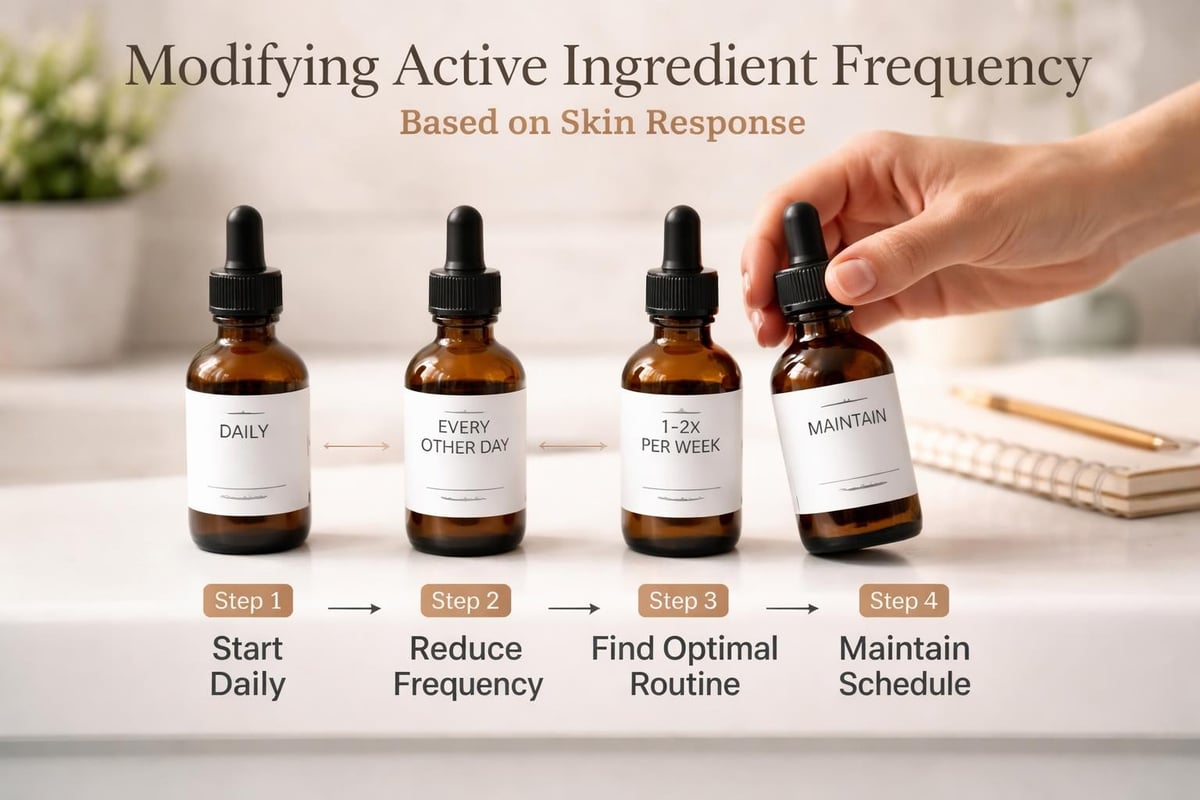
Persistent irritation beyond the initial adjustment period signals the need for modification. Reducing frequency, lowering concentration, or temporarily pausing one or both actives allows skin to recover.
Professional guidance becomes essential if you experience severe reactions, persistent inflammation, or uncertain about appropriate adjustments. Dermatologists can assess individual circumstances and provide tailored recommendations.
Special Populations and Contraindications
Certain groups require additional precautions when considering salicylic acid and tretinoin. Understanding contraindications prevents potential complications and ensures appropriate product selection.
Pregnancy and Nursing
Tretinoin carries strict warnings against use during pregnancy due to potential teratogenic effects. Healthcare providers universally recommend avoiding all retinoids when pregnant or planning conception.
Salicylic acid presents a more nuanced situation. Guidelines from medical sources suggest limiting concentration and application area, with most professionals considering occasional use of low concentrations (under 2%) acceptable, though consultation with healthcare providers remains advisable.
Sensitive Skin Considerations
Those with reactive or sensitive complexions face heightened irritation risk with both ingredients. Starting with lower concentrations, less frequent application, and careful monitoring becomes particularly important.
Alternative approaches include:
- Using salicylic acid in rinse-off products only
- Choosing micro-encapsulated tretinoin formulations
- Implementing "short contact therapy" where products remain on skin briefly before removal
- Prioritising barrier-supporting ingredients alongside actives
Complementary Skincare Ingredients
Building an effective routine around salicylic acid and tretinoin requires supporting ingredients that enhance benefits whilst minimising irritation. Certain combinations work synergistically, whilst others should be avoided.
Beneficial Partnerships
Hyaluronic acid provides essential hydration without interfering with active mechanisms. This humectant draws moisture into skin, counteracting dryness from exfoliating ingredients.
Niacinamide offers anti-inflammatory benefits and strengthens the skin barrier. Comparative studies have examined various ingredient combinations for addressing pigmentation and texture concerns.
Ceramides replenish lipids depleted by active ingredients, supporting barrier function and reducing transepidermal water loss.
Ingredients to Avoid Combining
Certain actives increase irritation risk when combined with salicylic acid and tretinoin:
- Other exfoliating acids (glycolic, lactic, mandelic)
- High-strength vitamin C formulations with low pH
- Benzoyl peroxide (can deactivate tretinoin)
- Physical scrubs or harsh mechanical exfoliation
Long-Term Results and Expectations
Setting realistic expectations about timelines and outcomes ensures satisfaction with salicylic acid and tretinoin use. Both ingredients deliver gradual improvements rather than overnight transformations.
Timeline for Visible Changes
| Timeframe | Salicylic Acid Results | Tretinoin Results |
|---|---|---|
| 2-4 weeks | Improved texture, reduced congestion | Initial adjustment, possible purging |
| 6-8 weeks | Fewer breakouts, refined pores | Decreased breakouts, early texture improvement |
| 12 weeks | Consistent clarity, maintained results | Noticeable texture refinement, tone evening |
| 6 months | Sustained improvements with maintenance | Significant collagen stimulation, wrinkle reduction |
Maintaining Results
Long-term success with these actives requires consistent application and ongoing commitment. Treatment approaches vary based on individual goals and skin response.
Many users find optimal results with indefinite maintenance use rather than stopping treatment once improvements appear. Tretinoin particularly shows cumulative benefits over years of consistent application.
Professional Treatments Versus At-Home Care
Understanding when professional intervention provides advantages over at-home care helps optimise treatment outcomes. Both salicylic acid and tretinoin feature in clinical settings at higher concentrations than consumer products.
Professional Salicylic Acid Treatments
Chemical peels using 20-30% salicylic acid deliver intensive exfoliation for stubborn concerns. These treatments penetrate deeper than daily products, addressing accumulated damage and stimulating renewal.
Sessions typically occur every 4-6 weeks, with results building progressively. Professional application ensures proper technique, appropriate contact time, and effective neutralisation.
Prescription Tretinoin Advantages
Medical-grade tretinoin concentrations and formulations offer potency unavailable in over-the-counter products. Dermatologist supervision ensures appropriate strength selection, monitors progress, and adjusts treatment as needed.
For those interested in retinoid benefits without prescription requirements, quality formulations with proven efficacy offer accessible alternatives. Grounded Body's Egyptian Gold Retinol Serum provides effective retinol delivery in a nourishing base, combining anti-ageing benefits with skin-supporting ingredients for a balanced approach to cellular renewal.

Optimising Your Skincare Investment
Maximising the value of salicylic acid and tretinoin involves proper storage, application technique, and product pairing. These considerations extend product life and enhance efficacy.
Storage and Stability
Tretinoin degrades when exposed to light and air, requiring opaque packaging and consistent closure. Store in cool, dark locations and use within recommended timeframes after opening.
Salicylic acid maintains stability across broader conditions but benefits from pH-appropriate formulations. Products with compromised pH levels deliver reduced exfoliation despite stated concentrations.
Application Techniques
For salicylic acid:
- Apply to clean, dry skin for maximum penetration
- Use gentle, sweeping motions rather than rubbing
- Allow full absorption before layering other products
For tretinoin:
- Wait 20-30 minutes after cleansing to apply
- Use pea-sized amount for entire face
- Avoid eye area, corners of nose, and lips initially
Strategic product layering from thinnest to thickest consistency optimises absorption. Those building comprehensive routines can explore body care essentials that complement facial treatments.
Environmental and Seasonal Considerations
External factors influence how skin tolerates and responds to salicylic acid and tretinoin. Adjusting usage based on climate, season, and environmental exposure maintains optimal results whilst protecting skin health.
Photosensitivity Management
Both ingredients increase sun sensitivity, making diligent photoprotection non-negotiable. Tretinoin particularly enhances UV vulnerability, with research showing increased photodamage risk without adequate protection.
Daily broad-spectrum SPF 30 minimum becomes essential, with reapplication every two hours during extended sun exposure. Physical barriers like hats and shade provide additional protection during peak UV hours.
Seasonal Adjustments
Winter's low humidity and harsh conditions may necessitate reduced frequency or concentration. Conversely, summer's heat and increased oil production might allow higher tolerances.
Cold weather modifications:
- Decrease application frequency by 1-2 days weekly
- Layer richer moisturisers over actives
- Consider short contact therapy during extreme weather
Warm weather considerations:
- Maintain or slightly increase salicylic acid for oil control
- Ensure thorough morning cleansing before SPF application
- Monitor for increased sensitivity with heat exposure
Successfully incorporating salicylic acid and tretinoin into your skincare routine requires understanding each ingredient's unique properties and respecting your skin's individual needs. These powerful actives deliver proven results when used thoughtfully, with patience and consistency yielding the most impressive long-term improvements. Whether you're addressing specific concerns or pursuing preventative care, Grounded Body offers carefully formulated products that harness effective ingredients whilst maintaining skin health. Explore the range of facial care solutions designed to support your journey towards healthier, more radiant skin.