
Winter Skin Care Routine: Your Complete Guide
Winter's arrival brings cosy evenings and festive cheer, but it also presents significant challenges for your skin. The combination of cold outdoor temperatures, harsh winds, and dry indoor heating can strip your skin of its natural moisture, leaving it feeling tight, flaky, and uncomfortable.
Developing an effective winter skin care routine becomes essential during these months to maintain healthy, hydrated, and glowing skin despite the environmental stressors that come with the colder season. The means Dryness, Inflammation, Irritation and more. Our Number one Recommendation for Dry Skin is of course the Grounded Coffee Scrubs, coming in Hot! 🚿 

Understanding Winter's Impact on Your Skin
The winter months create a perfect storm of conditions that compromise your skin's protective barrier. When temperatures drop below freezing, the air holds less moisture, resulting in significantly lower humidity levels both outdoors and indoors.
Central heating systems, whilst keeping us warm, actively remove moisture from the air inside our homes and workplaces. This double assault of dry outdoor air and artificially heated indoor environments depletes the skin's natural lipid barrier, leading to trans-epidermal water loss. Your skin simply cannot retain moisture as effectively during winter as it does in warmer, more humid months.
The Science Behind Winter Skin Problems
Several physiological changes occur within your skin during colder months. Blood vessels constrict in response to cold temperatures, reducing circulation to the skin's surface. This decreased blood flow means fewer nutrients reach your skin cells, slowing down the natural renewal process.
Additionally, sebaceous glands produce less sebum when temperatures drop, which further compromises your skin's natural protective coating. Without adequate sebum production, your skin loses its ability to lock in moisture effectively.

Adjusting Your Cleansing Approach
Your summer cleansing routine likely needs significant modification for winter. Expert dermatologists recommend switching to gentler, cream-based cleansers that won't strip your skin of essential oils.
Hot water, whilst tempting on cold mornings, actively damages your skin's lipid barrier. Always cleanse with lukewarm water, and limit shower time to five to ten minutes maximum. Extended exposure to water, particularly hot water, paradoxically dehydrates your skin.
Choosing the Right Cleanser
Look for cleansers containing:
- Glycerin for moisture retention
- Ceramides to strengthen the skin barrier
- Natural oils like jojoba or almond oil
- Hyaluronic acid for hydration
- Avoid sulphates which can be excessively drying
Morning cleansing can often be reduced to a simple splash of water followed by toner, particularly if you have dry or sensitive skin. Reserve your proper cleanse for evening when you need to remove the day's accumulation of environmental pollutants, makeup, and excess sebum.
The Grounded Body facial care range offers natural ingredient-based cleansers specifically formulated to maintain your skin's moisture balance whilst effectively removing impurities.
The Moisturisation Hierarchy
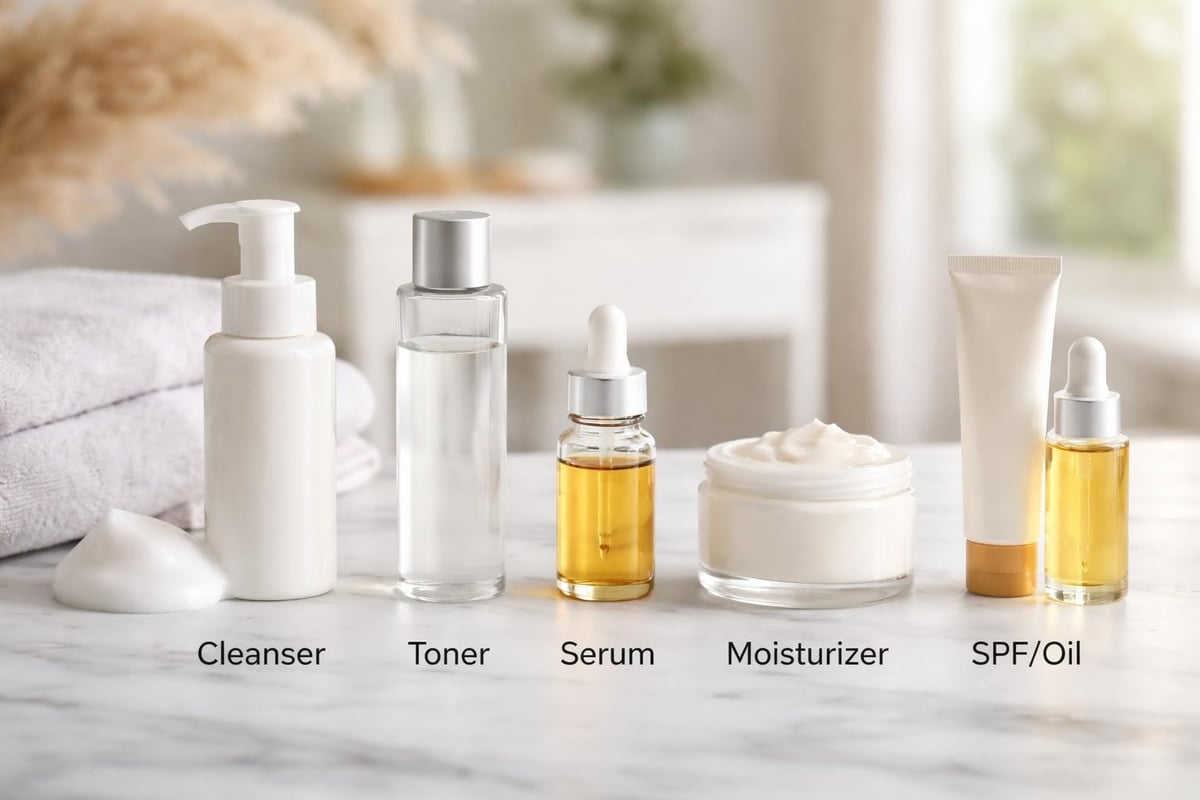
Winter demands a strategic approach to moisturisation that goes beyond simply applying a single product. Layer your hydrating products from thinnest to thickest consistency for optimal absorption and effectiveness.
| Product Type | When to Apply | Primary Function |
|---|---|---|
| Hydrating Toner | Immediately after cleansing | Restores pH balance, prepares skin |
| Serum | On damp skin | Delivers concentrated active ingredients |
| Moisturiser | After serum absorption | Seals in hydration, provides barrier protection |
| Facial Oil | Final step (evening) | Locks in moisture, reinforces lipid barrier |
Serum Selection for Winter
Serums containing hyaluronic acid work exceptionally well during winter months. This powerful humectant can hold up to 1,000 times its weight in water, drawing moisture from the environment into your skin. Apply hyaluronic acid serum to slightly damp skin to maximise its hydrating potential.
Niacinamide serums offer multiple benefits during winter, including strengthening the skin barrier, reducing inflammation, and regulating sebum production. This versatility makes niacinamide particularly valuable when your skin faces multiple environmental stressors.
For those concerned with anti-ageing during winter months, proper retinol application becomes even more critical. Retinol can increase sensitivity, so buffering it with a hydrating serum and following with a rich moisturiser helps minimise irritation whilst maintaining effectiveness.
Intensive Hydration Strategies
Beyond your daily routine, incorporating intensive hydration treatments helps combat severe winter dryness. These treatments provide concentrated moisture and repair damaged skin barriers more effectively than standard daily products.
Sheet masks offer an excellent once or twice-weekly treatment. Look for masks containing:
- Hyaluronic acid for deep hydration
- Ceramides for barrier repair
- Glycerin for moisture retention
- Natural botanical extracts for soothing properties
- Peptides for skin repair and renewal
Apply sheet masks in the evening after cleansing and before your regular serum and moisturiser routine. Leave them on for 15 to 20 minutes, allowing the concentrated essence to penetrate deeply. Dr. Michele Green's winter skincare advice emphasises the importance of these intensive treatments during particularly harsh weather conditions.
Overnight Treatments
Your skin's repair mechanisms work most actively during sleep, making overnight treatments particularly effective. Consider incorporating sleeping masks or thick, occlusive creams as the final step in your evening routine.
These products create a seal over your skin, preventing trans-epidermal water loss whilst you sleep. Wake up to plumper, more hydrated skin that's better prepared to face another day of winter conditions.
Addressing Specific Winter Skin Concerns
Different skin types respond uniquely to winter conditions, requiring tailored approaches within your winter skin care routine. Understanding your specific challenges allows you to customise products and techniques accordingly.
Dry and Sensitive Skin
If you naturally have dry skin, winter can feel particularly brutal. Your winter skin care routine should prioritise barrier repair and moisture retention above all else.
- Choose cream or oil-based cleansers exclusively
- Skip morning cleansing with products; use water only
- Apply moisturiser to damp skin within 60 seconds of cleansing
- Layer a facial oil over your night cream
- Consider using a humidifier in your bedroom
Winter skincare for sensitive skin requires careful product selection, avoiding common irritants like fragrance, alcohol, and essential oils that might further compromise your skin barrier.
Combination and Oily Skin
Even oily skin suffers during winter, though the challenges differ. Your T-zone might remain oily whilst your cheeks become dry and flaky, requiring a multi-zone approach.
Multi-masking works brilliantly for combination skin. Apply a hydrating mask to dry areas whilst using a clay-based treatment on oily zones. This targeted approach addresses different needs simultaneously without overloading any area.
Don't abandon lightweight hydration even if you have oily skin. Your skin might actually overproduce oil in response to dehydration, creating a vicious cycle. Choose gel-based or water-cream formulations that provide moisture without heaviness.
The Role of Active Ingredients
Winter provides an excellent opportunity to incorporate certain active ingredients that work best when sun exposure is minimal. However, these powerful ingredients require careful integration into your routine.
Retinoids, including retinol and prescription-strength tretinoin, accelerate cell turnover and boost collagen production. Winter's reduced UV intensity makes this an ideal time to introduce or increase retinoid use, though the drying effects require extra moisturisation.
Products like the Egyptian Gold Retinol Serum combine powerful anti-ageing ingredients with nourishing formulations designed to minimise irritation whilst targeting wrinkles, fine lines, and loss of collagen that winter conditions can exacerbate.

Chemical Exfoliation Versus Physical Scrubs
Winter skin benefits more from gentle chemical exfoliation than aggressive physical scrubbing. Alpha hydroxy acids (AHAs) and beta hydroxy acids (BHAs) remove dead skin cells without the friction that can damage compromised winter skin.
Lactic acid proves particularly beneficial during winter as it exfoliates whilst providing humectant properties that draw moisture into the skin. Use AHAs two to three times weekly in the evening, always following with adequate sun protection the next day.
Physical exfoliants should be used sparingly, if at all, during winter months. If you prefer physical exfoliation, choose extremely gentle formulations with rounded jojoba beads rather than harsh walnut shells or apricot kernels.
Sun Protection Remains Non-Negotiable
The greatest skincare mistake people make during winter involves abandoning sun protection. UV radiation remains present year-round, and snow actually reflects up to 80% of UV rays, increasing your exposure.
| UV Protection Factor | Winter Consideration |
|---|---|
| UVB rays | Reduced but still present |
| UVA rays | Penetrate windows and clouds equally year-round |
| Snow reflection | Increases exposure by up to 80% |
| Altitude | Every 1,000 feet increases UV by 10% |
Choose a moisturising sunscreen with at least SPF 30 for daily wear. Mineral sunscreens containing zinc oxide or titanium dioxide often feel less drying than chemical formulations and provide immediate protection upon application.
Apply sunscreen as the final step of your morning routine, using approximately half a teaspoon for your face and neck. Expert guidance on winter skincare consistently emphasises that sun protection remains as critical in December as in July.
Body Care During Winter
Facial skin isn't the only area requiring extra attention during cold months. Your body skin, particularly on hands, feet, and legs, becomes equally vulnerable to winter's harsh conditions.
Hands suffer enormously during winter, experiencing repeated washing, sanitising, and exposure to cold air. Keep hand cream beside every sink and in your bag, applying immediately after washing whilst skin remains slightly damp.
Strategic Body Moisturising
Apply body moisturiser within three minutes of bathing whilst your skin is still damp. This timing maximises moisture absorption and seals water into your skin before it can evaporate.
Focus extra attention on areas prone to extreme dryness:
- Elbows and knees
- Feet, particularly heels
- Hands and cuticles
- Lower legs and shins
- Any areas with eczema or dermatitis
The Grounded Body body care range includes nourishing scrubs and moisturisers formulated with natural ingredients that provide deep hydration without greasy residue, perfect for maintaining smooth, comfortable skin throughout winter.
Lip and Eye Care Essentials
The delicate skin around your eyes and on your lips lacks oil glands, making these areas particularly vulnerable during winter. These zones require specialised products formulated for their unique needs.
Lip care extends beyond simple balm application. Gently exfoliate lips once weekly using a soft toothbrush and a mixture of honey and sugar, then apply a thick layer of nourishing balm.
Look for lip treatments containing:
- Shea butter for deep moisturisation
- Vitamin E for healing and protection
- Natural waxes for barrier creation
- Hyaluronic acid for plumping hydration
Protecting the Eye Area
The skin around your eyes measures approximately 0.05mm thick, compared to 2mm on the rest of your face. This delicate tissue shows dehydration, stress, and damage more readily than other facial areas.
Apply eye cream using your ring finger, which naturally provides the gentlest pressure. Tap the product gently around the orbital bone, avoiding pulling or stretching the delicate tissue. Use morning and evening for optimal results.
Skin health experts recommend choosing eye creams with ceramides and peptides during winter months to address both hydration and the appearance of fine lines that become more pronounced when skin is dehydrated.
Lifestyle Factors Supporting Your Routine
Your winter skin care routine extends beyond products applied directly to your skin. Several lifestyle factors significantly impact your skin's ability to maintain hydration and health during cold months.
Hydration from within proves as important as topical treatments. Aim for eight glasses of water daily, increasing this amount if you exercise or spend time in heated environments. Herbal teas count towards your fluid intake and provide the added benefit of warming you from inside.
Environmental Modifications
Consider these environmental adjustments to support your skin:
- Run a humidifier in your bedroom, maintaining 30 to 50% humidity
- Lower your home's heating temperature by a few degrees
- Avoid sitting directly beside radiators or heating vents
- Open windows briefly daily to refresh stale, dry air
- Keep bedroom temperatures cooler for better sleep and skin recovery
Diet influences skin health significantly. Increase consumption of omega-3 fatty acids found in salmon, walnuts, and flaxseeds. These healthy fats support your skin's lipid barrier from inside, complementing your topical routine.
Professional Treatments for Winter Skin
Certain professional treatments can enhance your home winter skin care routine, providing deeper hydration and repair than over-the-counter products alone can achieve.
Hydrating facials specifically designed for winter skin typically include gentle exfoliation, hydrating masks, and massage techniques that boost circulation. Many aestheticians offer oxygen facials or LED light therapy during winter months to combat dullness and dehydration.
Chemical peels require careful consideration during winter. Whilst the reduced sun exposure makes this an ideal time for deeper peels, your skin's compromised barrier might struggle with the recovery process. Consult with a qualified professional to determine whether your skin can tolerate this treatment during colder months.
At-Home Versus Professional Care
| Treatment Type | Home Care | Professional Care |
|---|---|---|
| Gentle exfoliation | 2-3 times weekly | Monthly facial |
| Deep hydration | Daily layering | Bi-monthly intensive treatment |
| Barrier repair | Consistent routine | Quarterly assessment |
| Active ingredients | Gradual introduction | Professional-strength options |
Winter skincare checklists typically recommend combining consistent home care with quarterly professional treatments for optimal results throughout the cold season.
Transitioning Your Routine
As winter approaches, gradually transition your routine rather than making abrupt changes. Begin incorporating richer moisturisers and adding hydrating steps when you first notice temperature drops in autumn.
Monitor your skin's response to these changes carefully. If you experience breakouts, reduce the richness of your moisturiser or try a different formulation. If dryness persists, add another hydrating layer or switch to more intensive products.
Keep detailed notes about which products work best during different winter conditions. This information proves invaluable for future winters, allowing you to respond quickly to your skin's needs without extended trial and error periods.
Spring Transition Planning
As winter ends, don't immediately abandon your intensive routine. Gradually lighten products as temperatures warm and humidity increases. Your skin needs time to readjust to seasonal changes, and abrupt switches can trigger breakouts or sensitivity.
Begin reducing the heaviness of your moisturiser first, followed by cutting back on layering steps. Maintain your protective barrier until you're confident spring weather has truly arrived and your skin has adapted to the changing conditions.
Natural Ingredients for Winter Skin
Natural ingredients offer powerful benefits for winter skin care routine maintenance without the harsh chemicals that can further irritate compromised skin barriers. Understanding which botanical and natural ingredients address winter skin concerns helps you select the most effective products.
Botanical oils including rosehip, argan, and jojoba provide essential fatty acids that reinforce your skin's lipid barrier. These oils closely mimic your skin's natural sebum, making them particularly effective for winter hydration.
Shea butter, derived from African shea nuts, contains vitamins A and E alongside essential fatty acids. Its rich, creamy texture makes it perfect for severely dry skin patches, elbows, knees, and heels.
Plant-Based Humectants
Several plant-derived ingredients attract and hold moisture within your skin:
- Aloe vera soothes whilst hydrating
- Honey provides antibacterial and humectant properties
- Vegetable glycerin draws moisture from the environment
- Seaweed extracts deliver minerals and hydration
- Oat extract calms irritation whilst moisturising
The natural ingredient philosophy embraced by quality skincare brands ensures products work with your skin's biology rather than against it, particularly important when your protective barrier faces winter's challenges.
Common Winter Skincare Mistakes
Understanding what not to do proves equally important as knowing the right steps for your winter skin care routine. Avoiding these common mistakes helps maintain healthy, comfortable skin throughout the cold season.
Over-exfoliation ranks among the most frequent winter skincare errors. When your skin feels dry and flaky, the instinct to scrub harder proves strong, yet this approach only damages your already compromised barrier further.
Taking excessively hot showers or baths, whilst incredibly tempting on freezing days, strips your skin of protective oils faster than cold weather alone. The temperature shock also damages capillaries beneath your skin's surface, potentially causing redness and sensitivity.
Product Selection Errors
Many people make these product-related mistakes:
- Using summer products unchanged into winter
- Skipping sunscreen on cloudy or snowy days
- Applying too many active ingredients simultaneously
- Changing entire routines at once
- Using alcohol-based toners that strip moisture
Dermatologist-approved winter skincare tips consistently emphasise patience and consistency over dramatic product changes or aggressive treatments.

Building Your Perfect Winter Routine
Creating an effective winter skin care routine requires understanding your individual skin type, concerns, and the specific climate challenges you face. Someone living in a dry, cold climate needs different products than someone in a humid but cold environment.
Start with the basics and build complexity only as needed. A simple routine consistently followed proves more effective than an elaborate 15-step process you abandon after two weeks.
Your minimal effective routine should include:
- Gentle cleanser (evening only for dry skin)
- Hydrating toner or essence
- Treatment serum addressing your primary concern
- Rich moisturiser appropriate for your skin type
- SPF 30+ sunscreen every morning
Add extra steps like facial oils, sleeping masks, or additional serums only if these basics aren't meeting your skin's needs. Monitor your skin's response over two to three weeks before adding new products or steps.
Protecting your skin during winter requires commitment to a thoughtful routine that addresses the unique challenges of cold, dry weather whilst supporting your skin's natural barrier function. By adjusting your cleansing approach, intensifying hydration, maintaining sun protection, and choosing products with nourishing natural ingredients, you can maintain healthy, glowing skin throughout the coldest months. Grounded Body provides a comprehensive range of natural skincare products specifically formulated to support your skin's needs during winter and beyond, helping you achieve and maintain the radiant, comfortable skin you deserve year-round.