
Best Exfoliator for Face: Your Complete 2026 Guide
Finding the best exfoliator for face can transform your skincare routine, revealing smoother, brighter skin whilst addressing concerns from dullness to congestion. With countless options available in 2026, understanding what makes an effective exfoliator and how to choose one suited to your unique skin needs is essential for achieving optimal results. This comprehensive guide explores the science behind exfoliation, compares different formulation types, and helps you navigate the world of natural, effective facial exfoliants that deliver visible improvements without compromising skin health.
Understanding Facial Exfoliation and Why It Matters
Exfoliation removes dead skin cells from the surface layer of your skin, a process that naturally slows as we age. By incorporating the best exfoliator for face into your routine, you accelerate cellular turnover and allow fresh, healthy skin to emerge.
This process offers numerous benefits beyond simple smoothness. Regular exfoliation helps unclog pores, reduces the appearance of fine lines, evens skin tone, and enhances the absorption of other skincare products like serums and moisturisers. Research shows that proper exfoliation can significantly improve skin texture and radiance when performed correctly.
However, over-exfoliation remains one of the most common skincare mistakes. Stripping away too many protective layers compromises the skin barrier, leading to sensitivity, redness, and increased moisture loss.
The Science Behind Effective Exfoliation
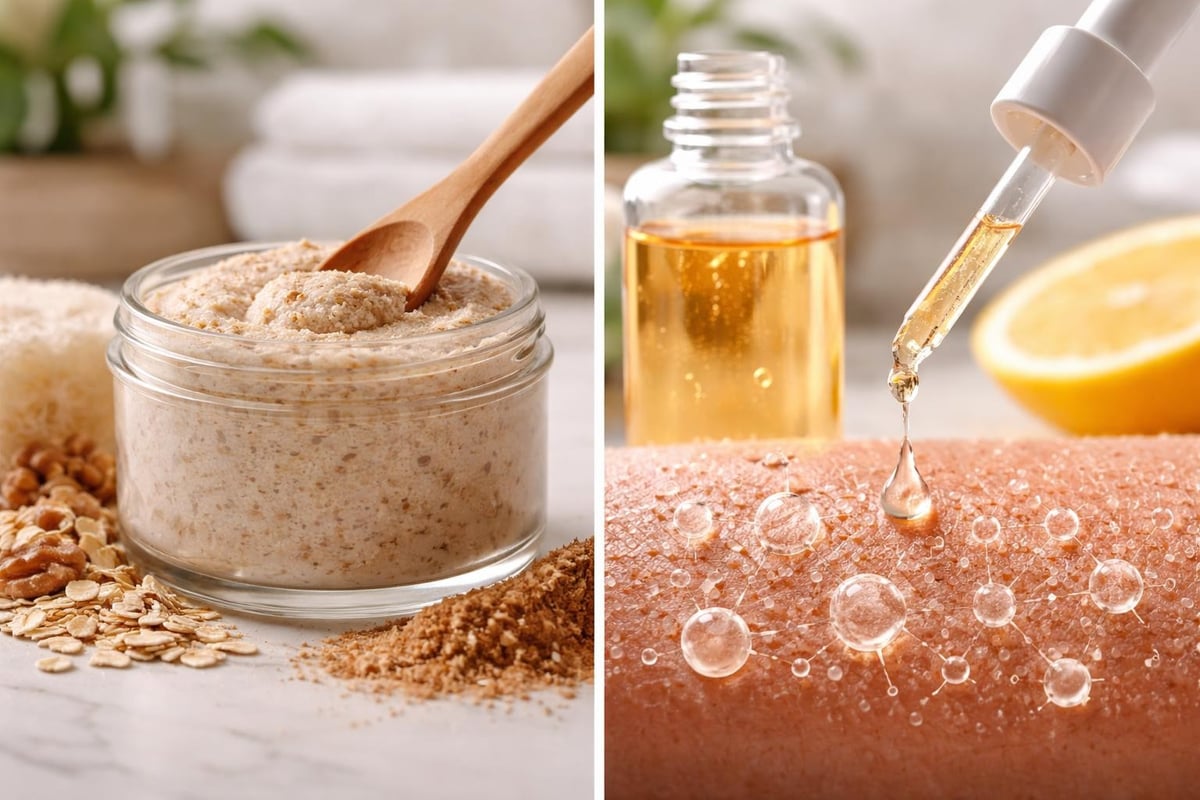
Your skin naturally sheds approximately 30,000 to 40,000 dead skin cells every minute. As this renewal process slows with age and environmental stress, dead cells accumulate on the surface, creating a dull, rough appearance.
Key factors that influence exfoliation effectiveness:
- Particle size and shape in physical exfoliants
- Concentration and pH levels in chemical formulations
- Frequency of application based on skin type
- Complementary ingredients that support skin barrier health
Understanding these elements helps you select products that work with your skin's natural processes rather than against them. The most effective exfoliators combine potent active ingredients with nourishing components that maintain skin integrity during the renewal process.
Physical Exfoliators: Natural Scrubs and Their Benefits
Physical exfoliators, often called scrubs, use small particles to manually buff away dead skin cells. The best exfoliator for face in this category contains gentle, natural ingredients that polish without causing micro-tears or irritation.
Natural options have gained significant popularity as consumers seek sustainable, effective alternatives. Coffee grounds, crushed walnut shells, jojoba beads, and sugar crystals offer varying degrees of abrasiveness suitable for different skin types and concerns.
| Ingredient | Particle Size | Best For | Frequency |
|---|---|---|---|
| Fine sugar | Small-medium | Sensitive skin | 1-2x weekly |
| Coffee grounds | Medium | Normal to oily skin | 2-3x weekly |
| Jojoba beads | Small-uniform | All skin types | 2-3x weekly |
| Ground oats | Very fine | Dry, sensitive skin | 1-2x weekly |
When selecting a physical exfoliator, examine the particle shape carefully. Rounded, uniform particles glide across skin without scratching, whilst irregular shapes can damage the delicate facial surface.
How to Use Physical Exfoliators Safely
Proper application technique matters as much as product selection. Apply your scrub to damp skin using gentle, circular motions for 30-60 seconds, focusing on areas prone to congestion like the nose and chin.
Essential application tips:
- Always wet your face with lukewarm water first
- Use light pressure - let the product do the work
- Avoid the delicate eye area entirely
- Rinse thoroughly with cool water
- Follow immediately with a hydrating toner or serum
Never scrub aggressively or use physical exfoliators on active breakouts, as this can spread bacteria and worsen inflammation. Building a comprehensive body care routine includes understanding how different exfoliation methods work together.
Chemical Exfoliators: AHAs, BHAs, and Enzymes
Chemical exfoliators dissolve the bonds holding dead skin cells together, allowing them to shed naturally without manual scrubbing. These formulations often deliver deeper, more uniform results than physical methods.
The three main categories of chemical exfoliators each target specific concerns:
Alpha Hydroxy Acids (AHAs) work on the skin's surface, making them ideal for addressing sun damage, uneven tone, and fine lines. Glycolic acid and lactic acid are the most common AHAs, with glycolic offering deeper penetration due to its smaller molecular size.
Beta Hydroxy Acids (BHAs) are oil-soluble, allowing them to penetrate pores and clear congestion from within. Salicylic acid, the primary BHA, excels at treating acne, blackheads, and enlarged pores.
Enzymes from fruits like papaya and pineapple provide gentle exfoliation suitable for sensitive skin. These proteins break down keratin in dead cells without the potential irritation of acids.
Choosing Chemical Exfoliators by Concentration
Concentration determines effectiveness and potential irritation. Beginners should start with lower percentages and gradually increase as skin builds tolerance.
- 5-8% AHAs: Gentle daily use for beginners
- 10-15% AHAs: Weekly treatments for experienced users
- 1-2% BHAs: Daily use for oily, acne-prone skin
- Enzyme blends: Safe for daily use on sensitive skin
Expert recommendations suggest introducing chemical exfoliators slowly, beginning with once or twice weekly application before increasing frequency based on skin response.
Selecting the Best Exfoliator for Face Based on Skin Type
Your skin type fundamentally influences which exfoliator will deliver optimal results without causing adverse reactions. Understanding your specific needs prevents common mistakes and accelerates visible improvement.
Dry and Sensitive Skin Solutions
Dry, sensitive skin requires gentle exfoliation that removes dead cells whilst supporting moisture retention. Harsh scrubs or high-acid concentrations strip protective oils, worsening dryness and triggering inflammation.
Look for exfoliators containing:
- Lactic acid (gentler than glycolic)
- Fruit enzymes for non-irritating renewal
- Hydrating ingredients like hyaluronic acid
- Natural oils that nourish whilst buffing
The best formulations for sensitive skin combine mild exfoliating agents with soothing botanical extracts that calm whilst renewing. Limit exfoliation to once weekly initially, monitoring how your skin responds before adjusting frequency.
Oily and Acne-Prone Skin Approaches
Oily skin benefits from more frequent exfoliation to prevent pore congestion and reduce breakouts. BHAs penetrate sebum to clear blockages, whilst physical exfoliators with antibacterial properties address surface concerns.
Effective strategies include:
- Salicylic acid treatments 2-3 times weekly
- Coffee-based scrubs with natural antimicrobial properties
- Clay-infused exfoliators that absorb excess oil
- Avoiding over-exfoliation that triggers rebound oil production
Balance is crucial. Whilst oily skin tolerates more aggressive exfoliation, excessive stripping causes sebaceous glands to overcompensate, producing even more oil. Pair your exfoliator with lightweight, non-comedogenic moisturisers from quality facial care collections.
Combination and Mature Skin Considerations
Combination skin presents unique challenges, requiring targeted treatment of different zones. The best exfoliator for face in this scenario often involves using multiple products strategically.
Consider applying BHAs to the T-zone where oil accumulates, whilst using gentler AHAs or enzymes on drier cheek areas. This customised approach addresses specific concerns without creating imbalance.
Mature skin experiencing slower cellular turnover benefits from consistent exfoliation to maintain radiance and support collagen production. When targeting signs of ageing, combining exfoliation with targeted treatments delivers comprehensive results. Advanced formulations that address multiple concerns simultaneously can enhance your anti-ageing regimen significantly.
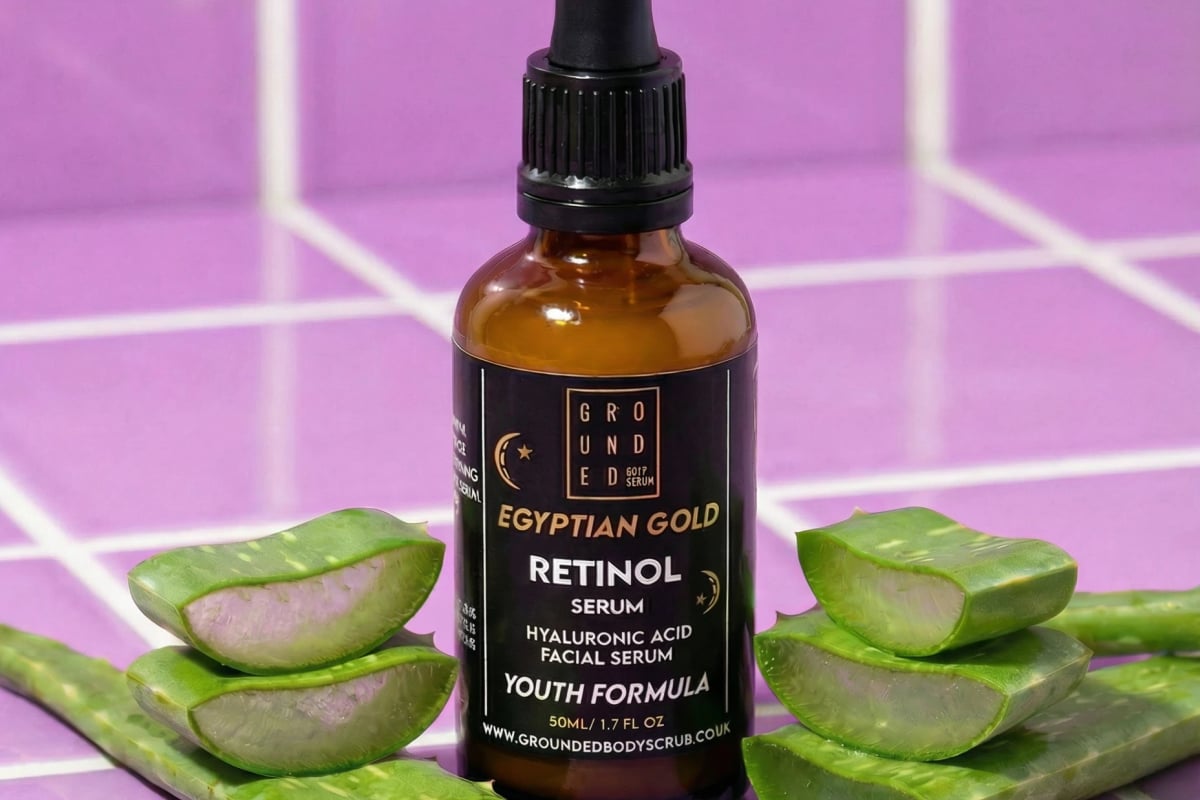
For those seeking to combat wrinkles and loss of firmness alongside maintaining smooth texture, incorporating specialised serums creates a synergistic effect. The Egyptian Gold Retinol Serum targets wrinkles, fine lines, and collagen loss whilst complementing your exfoliation routine for comprehensive skin renewal.
Natural Ingredients That Make Exceptional Exfoliators
The shift towards natural skincare has highlighted ingredients that exfoliate effectively whilst nourishing skin. These botanical and mineral components offer gentle yet powerful alternatives to synthetic formulations.
Coffee: The Multi-Benefit Exfoliant
Coffee grounds provide mechanical exfoliation whilst delivering antioxidants that protect against environmental damage. The caffeine content temporarily tightens skin and reduces puffiness, making coffee an ideal ingredient for facial scrubs.
Benefits extend beyond simple sloughing:
- Antioxidant protection from chlorogenic acid
- Improved circulation promoting healthy glow
- Anti-inflammatory properties calming redness
- Natural texture providing optimal particle size
Fresh coffee grounds work best, as they retain maximum beneficial compounds and create less mess than dried alternatives. Mix with carrier oils or natural moisturisers to create a luxurious paste that glides smoothly across skin.
Sugar and Salt: Time-Tested Exfoliants
Both sugar and salt crystals dissolve gradually during use, adjusting their abrasiveness as you massage. Fine sugar suits facial skin better than salt, which can be overly harsh and drying.
Sugar's natural glycolic acid content provides mild chemical exfoliation alongside physical buffing. Brown sugar contains more minerals than white, offering additional nourishing properties.
When selecting natural exfoliators, prioritise sustainably sourced ingredients that align with your values whilst delivering results. Quality matters significantly in natural formulations, as ingredient purity affects both efficacy and skin tolerance.
Building an Effective Exfoliation Routine
Consistency and proper timing determine whether exfoliation enhances or damages your complexion. The best exfoliator for face delivers results only when integrated thoughtfully into your broader skincare regimen.
Frequency Guidelines by Method
Different exfoliation methods require different application schedules. Physical exfoliators generally suit 1-2 weekly use, whilst certain chemical formulations can be applied daily once tolerance builds.
| Skin Type | Physical Exfoliation | Chemical Exfoliation | Combined Approach |
|---|---|---|---|
| Sensitive | Once weekly | 1-2x weekly (enzymes) | Alternate weeks |
| Dry | 1-2x weekly | 2-3x weekly (low %) | 2-3x weekly total |
| Normal | 2-3x weekly | 3-4x weekly | 3-4x weekly total |
| Oily | 2-3x weekly | 4-5x weekly | 4-5x weekly total |
| Combination | Zone-specific | Zone-specific | Customised schedule |
Never exfoliate immediately before sun exposure, as newly revealed skin shows increased photosensitivity. Evening application allows overnight recovery before facing environmental stressors.
Complementary Products and Practices
Exfoliation works best within a complete routine addressing multiple skin needs. Understanding proper body care sequences helps you optimise product application order for maximum benefit.
Pre-exfoliation preparation:
- Remove all makeup thoroughly with gentle cleansers
- Rinse with lukewarm water to open pores slightly
- Pat skin until barely damp, not dripping wet
Post-exfoliation care:
- Apply hydrating toner to restore pH balance
- Use lightweight serums targeting specific concerns
- Seal everything with appropriate moisturiser
- Apply SPF 30+ every morning without exception
Layering products correctly ensures each ingredient penetrates effectively. Exfoliated skin absorbs subsequent treatments more readily, making this step an investment in your entire routine's performance.
Common Exfoliation Mistakes to Avoid
Even the best exfoliator for face can cause damage when used incorrectly. Recognising and avoiding these frequent errors protects your skin whilst maximising benefits.
Over-Exfoliation and Barrier Damage
The most prevalent mistake involves excessive exfoliation driven by the misconception that more frequent treatment accelerates results. This approach backfires spectacularly, stripping the protective barrier and creating chronic sensitivity.
Warning signs of over-exfoliation:
- Persistent redness or burning sensation
- Increased sensitivity to previously tolerated products
- Shiny, tight feeling despite moisturising
- Increased breakouts and inflammation
- Flaking or peeling between exfoliation sessions
Recovery requires temporarily stopping all exfoliating products and focusing on barrier repair with gentle, hydrating formulations. Professional guidance from dermatologists can help rebuild compromised skin through targeted treatment protocols.
Mixing Incompatible Active Ingredients
Combining certain exfoliating acids with other actives creates irritation or neutralises effectiveness. Retinoids and vitamin C, whilst beneficial individually, can destabilise when layered with specific exfoliants without proper spacing.
Avoid simultaneous use of:
- AHAs/BHAs with retinoids (alternate days instead)
- Multiple acids at different pH levels
- Exfoliating acids with vitamin C (use at different times)
- Physical and chemical exfoliation in one session
Spacing active ingredients throughout your week prevents conflicts whilst maintaining comprehensive treatment. Monday might feature chemical exfoliation, Wednesday could focus on retinoids, and Saturday might incorporate a gentle physical scrub.
Environmental and Seasonal Considerations
Your exfoliation needs shift with environmental changes and seasonal variations. Adjusting your approach prevents weather-related skin issues whilst maintaining optimal renewal.
Winter Exfoliation Strategies
Cold, dry winter air compromises skin moisture, making aggressive exfoliation particularly problematic. Reduce frequency during harsh weather whilst incorporating more hydrating formulations.
The best exfoliator for face during winter combines gentle exfoliating action with intensive moisturisation. Creamy scrubs containing nourishing oils buffer skin against seasonal stress whilst removing dullness caused by indoor heating.
Summer and Sun Exposure Adjustments
Increased sun exposure during summer months necessitates cautious exfoliation practices. Newly revealed skin shows heightened photosensitivity, increasing sunburn and hyperpigmentation risks.
Summer exfoliation guidelines:
- Exfoliate exclusively in the evening
- Apply broad-spectrum SPF 50 every morning
- Reduce chemical exfoliant concentrations
- Increase hydration to counteract sun dehydration
- Monitor skin closely for sensitivity
Expert dermatologists recommend adjusting your entire skincare routine seasonally, treating your regimen as a dynamic system rather than a fixed protocol. This flexibility ensures your skin receives appropriate support throughout the year.
Evaluating Product Quality and Ingredient Integrity
Not all exfoliators deliver equal results, making quality assessment essential before purchasing. Understanding what distinguishes premium formulations from mediocre options protects your investment and your skin.
Reading Labels Effectively
Ingredient lists reveal formulation quality and suitability for your needs. Active exfoliating components should appear within the first several ingredients, indicating meaningful concentrations rather than token inclusion.
Watch for potentially problematic additions:
- Synthetic fragrances that trigger sensitivity
- Harsh sulfates stripping natural oils
- Microplastic beads harming aquatic ecosystems
- Unnecessary fillers diluting active ingredients
Premium formulations balance effective exfoliation with skin-supportive ingredients like antioxidants, peptides, and botanical extracts. This comprehensive approach treats exfoliation as part of overall skin health rather than an isolated mechanical process.
Sustainability and Ethical Sourcing
Conscious consumers increasingly prioritise environmentally responsible products that align with personal values. The best exfoliator for face in 2026 delivers results without environmental compromise.
Look for brands demonstrating:
- Biodegradable exfoliating particles
- Recyclable or minimal packaging
- Transparent ingredient sourcing
- Cruelty-free testing practices
- Carbon-neutral shipping options
Supporting companies committed to sustainability creates positive industry change whilst ensuring your skincare choices reflect broader ethical commitments. Quality natural skincare options prove that environmental responsibility and effective formulations aren't mutually exclusive.
Advanced Exfoliation Techniques and Professional Treatments
Whilst at-home exfoliation forms your routine's foundation, understanding professional options helps you address stubborn concerns requiring stronger intervention.
At-Home Peel Treatments
Higher-concentration chemical peels designed for home use bridge the gap between daily exfoliants and professional treatments. These potent formulations require careful application and thorough research before use.
Safety considerations for at-home peels:
- Start with lowest recommended concentration
- Perform patch tests 48 hours before full application
- Never exceed recommended contact time
- Neutralise acids properly if instructions specify
- Avoid use during pregnancy or while using certain medications
Follow manufacturer guidelines precisely, as deviation causes severe irritation or burns. Comprehensive reviews from trusted sources help identify legitimate products from potentially dangerous formulations.
When to Seek Professional Services
Certain skin concerns benefit from professional-grade treatments administered by trained aestheticians or dermatologists. Deep scarring, severe hyperpigmentation, or significant sun damage often require intervention beyond at-home capabilities.
Professional options include:
- Microdermabrasion for intensive physical exfoliation
- Chemical peels at clinical strengths
- Laser resurfacing for dramatic renewal
- Dermaplaning removing surface cells and vellus hair
These treatments complement rather than replace home care. Following professional exfoliation with appropriate maintenance using the best exfoliator for face extends results and supports continued improvement between appointments.
Maximising Results Through Holistic Skin Health
Exfoliation represents just one component of comprehensive skin health. Supporting cellular renewal through lifestyle factors amplifies topical treatment benefits significantly.
Nutrition's Role in Skin Renewal
Your diet directly influences skin cell production, turnover rate, and overall vitality. Certain nutrients specifically support healthy exfoliation and rapid cellular regeneration.
Key nutrients for optimal skin renewal:
- Vitamin A regulating cell turnover and collagen synthesis
- Vitamin C supporting collagen and protecting against oxidative damage
- Omega-3 fatty acids maintaining cell membrane integrity
- Zinc facilitating wound healing and new cell growth
- Antioxidants protecting against premature ageing
Hydration proves equally crucial. Adequate water intake maintains skin plumpness and supports efficient cellular processes, including the natural shedding that exfoliation enhances.
Sleep and Stress Management
Cellular renewal accelerates during sleep, making adequate rest essential for glowing skin. Chronic sleep deprivation disrupts this repair process, causing dull, congested complexions resistant to improvement.
Stress hormones like cortisol trigger inflammation and slow healing, counteracting exfoliation benefits. Managing stress through meditation, exercise, or therapeutic practices creates internal conditions where external treatments flourish.
Research increasingly demonstrates that holistic approaches combining quality topical products with lifestyle optimisation deliver superior, longer-lasting results than either strategy alone. Your skin reflects overall health, making comprehensive wellness the ultimate beauty treatment.
Integration with Broader Skincare Goals
The best exfoliator for face serves your larger skincare objectives rather than functioning as an isolated treatment. Aligning exfoliation with specific goals creates targeted routines addressing individual concerns efficiently.
Anti-Ageing Integration
Exfoliation supports anti-ageing efforts by removing dull surface cells, stimulating collagen production, and enhancing absorption of age-fighting ingredients. Combining exfoliants with targeted anti-ageing treatments creates synergistic effects exceeding individual product benefits.
Consistent exfoliation helps minimise fine lines, fade age spots, and maintain firm texture. However, balance remains essential as mature skin shows increased sensitivity requiring gentler approaches despite potentially needing more intensive treatment.
Acne and Congestion Management
Regular exfoliation prevents the pore blockages that trigger breakouts whilst helping fade post-inflammatory hyperpigmentation left by previous blemishes. BHA-based exfoliants particularly excel at keeping acne-prone skin clear through their pore-penetrating abilities.
Pair exfoliation with appropriate spot care treatments targeting active breakouts whilst maintaining overall skin health. This dual approach addresses current concerns whilst preventing future issues.
Selecting the best exfoliator for face transforms your skincare routine, revealing radiant, smooth skin through consistent, appropriate treatment tailored to your unique needs. Whether you prefer physical scrubs with natural ingredients or chemical formulations with targeted acids, understanding your skin type and goals ensures optimal results without irritation or damage. Grounded Body offers thoughtfully formulated skincare solutions using natural ingredients that nourish whilst effectively renewing your complexion, supporting your journey towards healthier, more vibrant skin through every season.