
Best Face Moisturiser for Dry Skin: Expert Guide 2026
Dry facial skin affects millions of people worldwide, causing discomfort, tightness, and premature ageing. Finding the right face moisturiser for dry skin can transform not only how your skin looks but also how it feels throughout the day. Understanding what ingredients to look for, how to apply moisturiser correctly, and which formulations work best for your specific needs will help you build an effective skincare routine that delivers lasting results. This comprehensive guide explores everything you need to know about selecting and using moisturisers designed specifically for parched, dehydrated skin.
Understanding Dry Skin and Its Causes
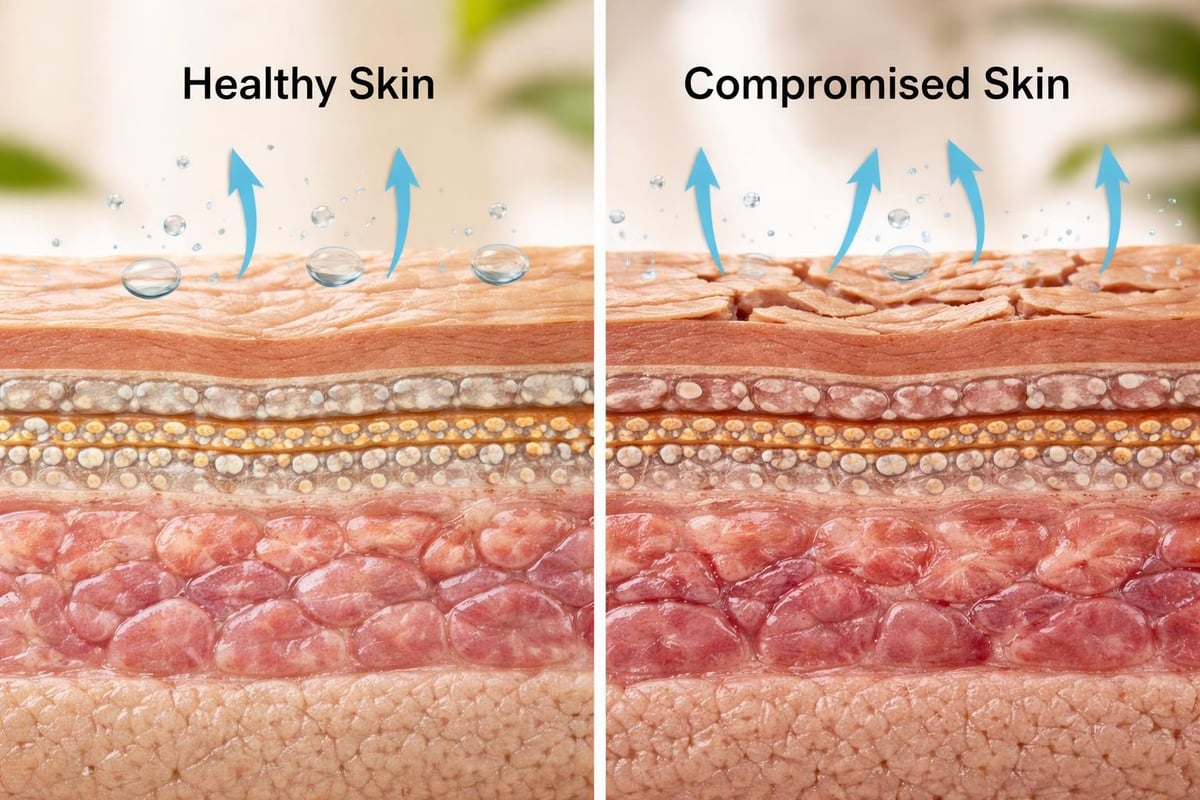
Dry skin occurs when the skin barrier becomes compromised, allowing moisture to escape and environmental irritants to penetrate more easily. Several factors contribute to this condition, ranging from genetic predisposition to lifestyle choices and environmental exposure.
The Science Behind Skin Dehydration
Your skin's outermost layer, the stratum corneum, acts as a protective barrier. When functioning properly, it retains water and prevents excessive moisture loss. However, various factors can disrupt this barrier, leading to transepidermal water loss (TEWL).
Common causes of dry facial skin include:
- Low humidity levels during winter months
- Excessive hot water exposure during cleansing
- Harsh soaps and cleansers that strip natural oils
- Age-related decline in sebum production
- Medical conditions such as eczema or psoriasis
- Certain medications that affect skin hydration
The American Academy of Dermatology explains that selecting the right moisturiser involves understanding your skin's specific hydration needs and barrier function.
Identifying Your Skin Type
Before selecting a face moisturiser for dry skin, determine whether you have consistently dry skin or temporarily dehydrated skin. Dry skin lacks oil production, whilst dehydrated skin lacks water content. Both conditions benefit from moisturisation, but the formulation focus differs slightly.
Signs your skin is genuinely dry include flaking, rough texture, visible fine lines, and a feeling of tightness that persists throughout the day. Dehydrated skin may appear dull and show fine lines that disappear when properly hydrated.
Essential Ingredients in Face Moisturisers for Dry Skin
The most effective face moisturiser for dry skin contains three categories of hydrating ingredients working in synergy. Each plays a distinct role in moisture retention and barrier repair.
Humectants: Drawing Moisture In
Humectants attract water molecules from the environment and deeper skin layers, bringing hydration to the surface. These ingredients are particularly effective in moderate humidity levels.
| Humectant | Benefit | Concentration |
|---|---|---|
| Hyaluronic Acid | Holds 1000x its weight in water | 0.1-2% |
| Glycerin | Improves skin barrier function | 5-10% |
| Sodium PCA | Natural moisturising factor | 2-5% |
| Urea | Exfoliates and hydrates | 5-10% |
According to research on moisturiser mechanisms, humectants provide immediate hydration but require occlusive ingredients to prevent water evaporation.
Emollients: Smoothing and Softening
Emollients fill gaps between skin cells, creating a smooth surface and improving skin texture. They soften dry, rough patches and make skin feel supple.
Effective emollient ingredients include:
- Squalane (plant-derived moisture retention)
- Ceramides (lipid barrier restoration)
- Fatty acids (omega-3, omega-6, omega-9)
- Shea butter (rich moisturisation)
- Jojoba oil (mimics natural sebum)
Occlusives: Sealing in Hydration
Occlusives form a protective layer on the skin's surface, preventing transepidermal water loss. These ingredients are crucial for maintaining hydration throughout the day and night.
Natural occlusives work beautifully in formulations that respect skin health. Ingredients such as plant-based waxes, oils, and butters create effective barriers without feeling heavy or greasy when properly formulated.
Choosing the Right Formulation
Face moisturisers for dry skin come in various textures and formulations. The weight and consistency you choose should match your skin's severity of dryness and personal preferences.
Cream Versus Lotion Versus Balm
Different textures serve different purposes and suit various levels of skin dryness. Understanding these distinctions helps you select the most appropriate option.
Creams offer medium-weight hydration with a balanced blend of water and oil-based ingredients. They absorb reasonably quickly whilst providing substantial moisture. Lotions contain more water, creating a lighter texture suitable for daytime use or mildly dry skin. Balms concentrate on occlusive ingredients, making them ideal for severely dry patches or nighttime intensive treatment.
Cleveland Clinic's guide to choosing moisturisers emphasises matching formulation weight to your skin's hydration needs.
Day Versus Night Moisturisers
Your skin's needs differ between day and night, making it beneficial to use different formulations at different times.
Daytime moisturisers should:
- Absorb quickly under makeup
- Contain antioxidants for environmental protection
- Include SPF or layer well with sunscreen
- Provide lasting hydration without greasiness
Night-time moisturisers can be:
- Richer in texture and concentration
- Focused on barrier repair
- Enhanced with restorative ingredients
- Applied more generously

Natural Ingredients That Transform Dry Skin
Natural ingredients offer powerful benefits for dry skin without harsh chemicals. Many plant-based components provide multiple benefits simultaneously, addressing both immediate hydration and long-term skin health.
Plant Oils and Their Benefits
Cold-pressed plant oils contain fatty acids, vitamins, and antioxidants that nourish severely dry skin. Different oils offer unique benefits based on their molecular composition.
Rosehip oil provides vitamin A and essential fatty acids that support cell regeneration. Argan oil delivers vitamin E and squalene for antioxidant protection. Sweet almond oil soothes inflammation whilst providing gentle moisture suitable for sensitive, dry skin.
Grounded Body's facial care collection features products formulated with carefully selected natural ingredients that work harmoniously with your skin's natural processes.
Botanical Extracts for Healing
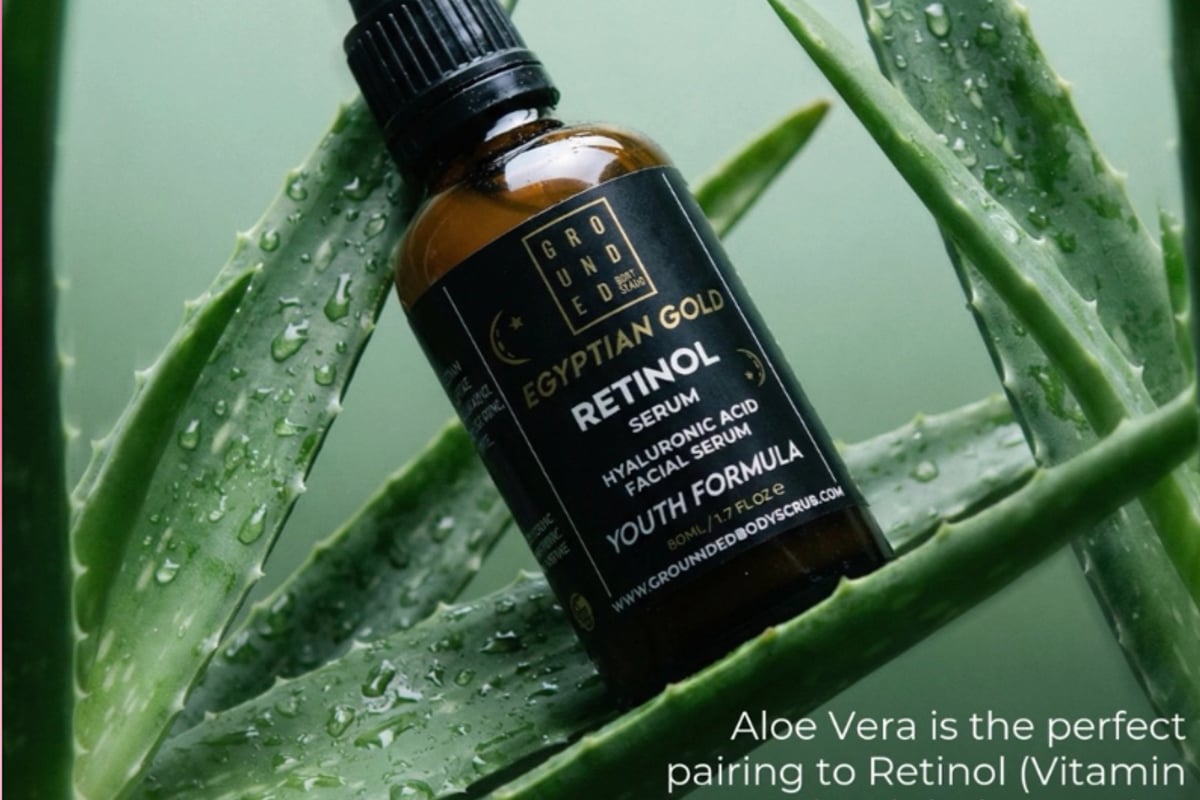
Certain plant extracts offer therapeutic benefits beyond basic moisturisation. Aloe vera provides soothing hydration with anti-inflammatory properties. Calendula extract promotes healing and reduces redness. Chamomile calms irritation whilst supporting the skin barrier.
Green tea extract offers polyphenols that protect against oxidative stress whilst maintaining hydration. These botanicals work synergistically with moisturising ingredients to address multiple dry skin concerns simultaneously.
Application Techniques for Maximum Benefit
How you apply your face moisturiser for dry skin matters as much as which product you choose. Proper technique maximises absorption and effectiveness.
The Three-Minute Rule
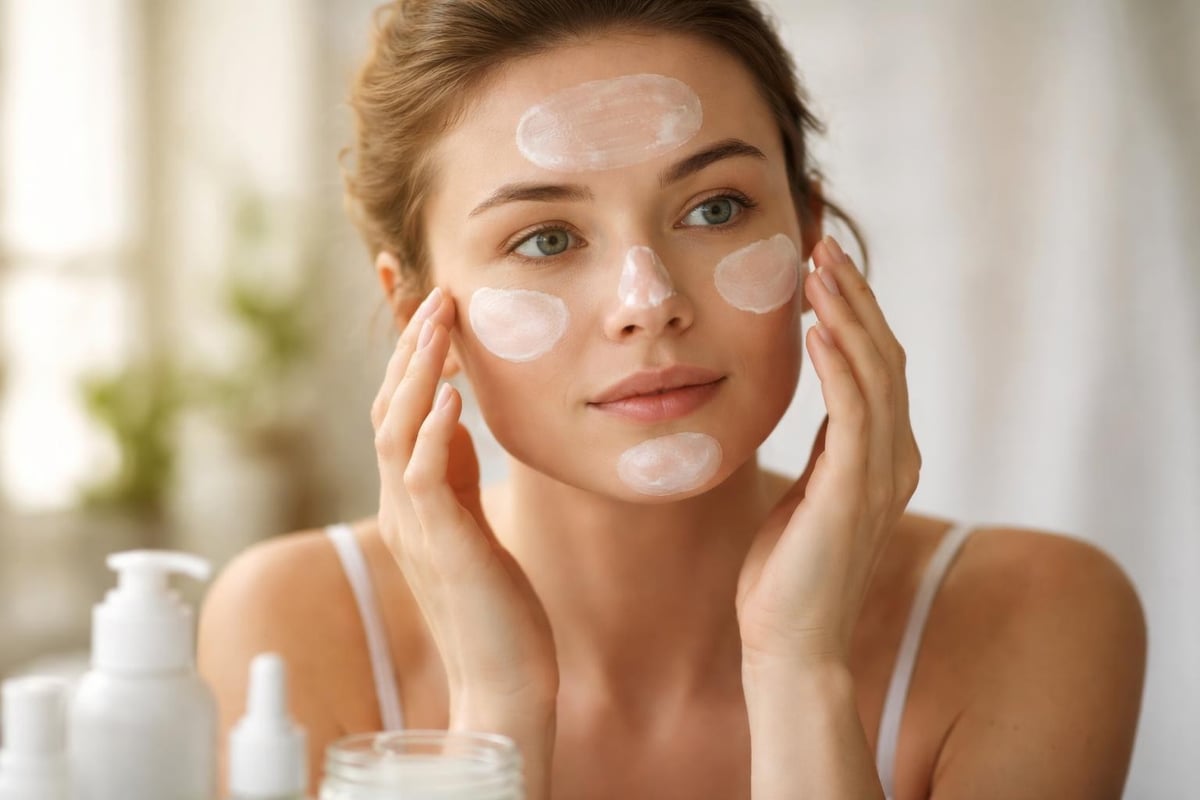
Apply moisturiser within three minutes of cleansing, whilst your skin remains slightly damp. This timing traps water in the skin, allowing humectants to work more effectively.
Step-by-step application process:
- Gently pat skin dry with a clean towel, leaving it slightly damp
- Dispense appropriate amount of moisturiser (pea-sized for face)
- Warm product between palms for better spreadability
- Apply using upward, outward strokes
- Use gentle pressing motions on extremely dry areas
- Allow full absorption before applying additional products
Layering Products Correctly
The order of application affects how well each product performs. Follow the "thinnest to thickest" rule for optimal results.
Start with water-based serums containing hyaluronic acid or other humectants. These penetrate deeply and prepare skin for subsequent layers. Next, apply your primary face moisturiser for dry skin, working from the centre of your face outward. Finally, if needed, seal everything with a few drops of facial oil or a targeted balm on especially dry patches.
Healthline's moisturiser guide provides additional insights into effective application techniques for various skin types.
Addressing Specific Dry Skin Concerns
Different types of dry skin require tailored approaches. Identifying your specific concern helps you customise your moisturisation strategy.
Dry and Sensitive Skin
When dryness combines with sensitivity, fragrance-free, minimal-ingredient formulations become essential. Look for products specifically designed for sensitive skin that avoid common irritants.
Avoid products containing alcohol, synthetic fragrances, or harsh preservatives. Instead, seek formulations with colloidal oatmeal, ceramides, and niacinamide, which soothe whilst hydrating.
Dry and Ageing Skin
Mature skin often experiences increased dryness due to declining natural oil production. Addressing both hydration and anti-ageing concerns requires sophisticated formulations.
Ingredients like peptides, antioxidants, and cell-communicating ingredients work alongside traditional moisturising components. When properly formulated with natural ingredients, these products can deliver impressive results without harsh synthetic compounds.
Products from the anti-ageing collection combine hydration with active ingredients that address fine lines and firmness whilst respecting skin health.
Dry Patches and Flaking
Localised dry patches require targeted treatment beyond overall facial moisturisation. These areas benefit from intensive, occlusive-rich formulations applied specifically to problem zones.
Create a customised routine that includes your regular face moisturiser for dry skin across the entire face, plus additional treatment for persistent dry patches. Apply a richer balm or oil-based treatment to these areas, both morning and evening, until the condition improves.
Complementary Skincare Practices
Moisturisation works best within a comprehensive skincare routine. Supporting practices enhance your moisturiser's effectiveness and prevent future dryness.
Gentle Cleansing Methods
Harsh cleansing strips natural oils, exacerbating dryness. Switch to cream cleansers or cleansing oils that remove impurities without disrupting the skin barrier.
Avoid hot water, which damages the lipid barrier. Use lukewarm water and limit face washing to twice daily. Pat skin dry rather than rubbing, which can cause irritation and moisture loss.
Exfoliation Frequency
Whilst exfoliation removes dead skin cells that prevent moisturiser absorption, over-exfoliation worsens dryness. Limit physical exfoliation to once weekly, using gentle, fine-grained scrubs.
Chemical exfoliants containing lactic acid work well for dry skin, as lactic acid also functions as a humectant. Use these products 1-2 times weekly, followed immediately by your regular moisturising routine.
For those interested in comprehensive natural skincare approaches, building a gentle routine around effective moisturisation creates the foundation for healthy, radiant skin.
Environmental Protection Strategies
Environmental factors significantly impact skin hydration. Protecting your skin from these external stressors prevents moisture loss and supports your moisturisation efforts.
Indoor Humidity Control
Central heating and air conditioning drastically reduce indoor humidity, accelerating moisture loss from skin. Use a humidifier in your bedroom and workspace to maintain 40-50% humidity levels.
Place plants throughout your living space, as they naturally release moisture into the air. Keep your face moisturiser for dry skin readily accessible for reapplication when spending extended periods in climate-controlled environments.
Seasonal Adjustments
Skin's hydration needs fluctuate throughout the year. Winter requires richer, more occlusive formulations, whilst summer may allow lighter textures.
| Season | Formulation | Focus |
|---|---|---|
| Winter | Rich cream or balm | Occlusives, barrier repair |
| Spring | Medium cream | Balanced hydration |
| Summer | Light cream or gel-cream | Humectants, antioxidants |
| Autumn | Transitional cream | Preparing for winter |
Monitor your skin's response and adjust accordingly rather than following rigid seasonal schedules. Individual needs vary based on climate, lifestyle, and personal physiology.
Diet and Hydration for Skin Health
External moisturisation works synergistically with internal hydration and nutrition. Supporting skin health from within enhances topical treatment effectiveness.
Essential Fatty Acids
Omega-3 and omega-6 fatty acids support skin barrier function from the inside. Include foods rich in these nutrients, such as oily fish, walnuts, flaxseeds, and chia seeds.
These fatty acids help maintain the lipid matrix between skin cells, reducing transepidermal water loss and improving overall hydration. Visible improvements typically appear after 6-8 weeks of consistent dietary inclusion.
Water Intake and Skin Hydration
Whilst drinking water alone won't cure dry skin, adequate hydration supports overall skin function. Aim for 2-3 litres daily, adjusting for activity level and climate.
Additional hydration strategies include:
- Consuming water-rich fruits and vegetables
- Limiting diuretic beverages like coffee and alcohol
- Drinking herbal teas throughout the day
- Monitoring urine colour as a hydration indicator
Harvard Health's moisturiser selection guide notes that internal hydration complements but doesn't replace appropriate topical moisturisation.
Common Mistakes to Avoid
Understanding what not to do proves equally important as knowing proper techniques. Avoiding these common errors prevents worsening dry skin conditions.
Over-Washing and Hot Water
Excessive cleansing strips protective oils faster than your skin can replace them. Limit face washing to morning and evening, using lukewarm rather than hot water.
Hot showers and baths may feel comforting but severely compromise the skin barrier. Keep water temperature moderate and limit bathing time to 10 minutes or less.
Using the Wrong Products
Products designed for oily or combination skin often contain ingredients that exacerbate dryness. Avoid mattifying products, astringent toners containing alcohol, and oil-free formulations.
Similarly, avoid products marketed for acne-prone skin unless specifically formulated for dry, acne-prone skin. These typically contain drying ingredients like benzoyl peroxide and salicylic acid in concentrations unsuitable for dry skin.
Inconsistent Application
Sporadic moisturisation provides inconsistent results. Your skin requires regular, consistent hydration to repair and maintain its barrier function.
Apply your face moisturiser for dry skin twice daily without exception. Consider setting reminders until the routine becomes automatic. Consistency delivers far better results than occasional use of premium products.
Professional Treatments and When to Seek Help
Sometimes, over-the-counter moisturisers aren't sufficient for severely dry skin. Understanding when to seek professional advice prevents prolonged discomfort and potential complications.
Medical Conditions Requiring Attention
Certain skin conditions manifest as extreme dryness but require medical treatment alongside moisturisation. Eczema, psoriasis, and dermatitis need professional diagnosis and management.
Warning signs requiring dermatological consultation include:
- Persistent dryness despite regular moisturisation
- Severe itching or burning sensations
- Cracking or bleeding skin
- Widespread redness or inflammation
- Sudden onset of severe dryness without clear cause
Professional Treatments for Dry Skin
Dermatologists offer advanced treatments for stubborn dryness. Prescription-strength moisturisers contain higher concentrations of active ingredients. Topical corticosteroids reduce inflammation in cases of eczema or dermatitis.
Professional facials designed for dry skin can provide intensive hydration and barrier repair. These treatments typically combine professional-grade products with techniques like steam, massage, and masks that enhance absorption.
Building Your Personalised Routine
Creating an effective skincare routine requires understanding your unique needs and preferences. This personalised approach delivers better results than following generic recommendations.
Morning Routine Framework
Start your day with a routine that protects and hydrates throughout your waking hours.
Essential morning steps:
- Gentle cleansing with lukewarm water
- Hydrating toner or essence (optional)
- Humectant-rich serum
- Face moisturiser for dry skin
- Facial oil on extra-dry areas (optional)
- Broad-spectrum SPF 30 or higher
This routine takes approximately 5-7 minutes and provides comprehensive protection and hydration.
Evening Routine Framework
Night-time routines focus on repair and intensive treatment while your skin regenerates during sleep.
- Thorough cleansing to remove makeup and impurities
- Gentle exfoliation (1-2 times weekly)
- Treatment serums addressing specific concerns
- Rich night cream or balm
- Targeted treatment on dry patches
- Optional overnight mask for intensive hydration
Allow adequate time between steps for absorption, especially with treatment products. The evening routine may take 10-15 minutes but provides crucial restorative benefits.
Sustainable and Ethical Choices
Selecting products that align with environmental and ethical values enhances your skincare experience. Many consumers now prioritise sustainability alongside effectiveness.
Natural Versus Synthetic Ingredients
Natural ingredients offer numerous benefits for dry skin whilst supporting environmental sustainability. Plant-derived oils, butters, and extracts provide effective hydration without synthetic chemicals.
However, not all natural ingredients suit every skin type. Research individual components and their benefits for your specific concerns. Quality natural formulations combine traditional botanical knowledge with modern skincare science.
Grounded Body's commitment to natural ingredients demonstrates how effective skincare can align with environmental responsibility.
Packaging and Environmental Impact
Consider products packaged in recyclable or reusable materials. Glass containers, aluminium tubes, and paper-based packaging reduce environmental impact compared to conventional plastic.
Refillable options further minimise waste whilst often providing better value. Some companies offer concentrated formulations that you dilute at home, reducing packaging and shipping emissions.
Supporting brands committed to sustainable practices encourages industry-wide improvements in environmental responsibility.
Long-Term Skin Health Maintenance
Achieving well-hydrated skin requires ongoing commitment beyond initial improvements. Maintaining results demands continued attention to skincare practices and lifestyle factors.
Monitoring Progress and Adjusting
Track your skin's response to your routine through regular self-assessment. Notice changes in texture, comfort level, and appearance over 4-6 weeks.
Adjust products seasonally or as your skin's needs evolve. What works perfectly in winter may feel too heavy in summer. Remain flexible and responsive to your skin's signals.
Preventing Future Dryness
Once you've addressed existing dryness, prevention becomes the focus. Continue using your face moisturiser for dry skin consistently, even after symptoms resolve.
Maintain healthy habits including adequate water intake, gentle cleansing, and environmental protection. These practices prevent recurrence and support overall skin health long-term.
Regular use of moisturisers formulated specifically for dry skin maintains the improvements you've achieved and prevents regression.
Addressing dry facial skin requires understanding the science of hydration, selecting appropriate ingredients, and maintaining consistent application practices. By combining effective face moisturiser for dry skin with complementary lifestyle practices, you create the foundation for comfortable, healthy skin that looks and feels its best. Grounded Body offers carefully formulated natural skincare solutions that nourish and protect dry skin using ingredients that respect both your skin and the environment. Discover products designed to transform your skincare routine and experience the difference that thoughtful, natural formulations can make.