
Retinol Company: Building a Natural Skincare Brand in 2026
The skincare industry has witnessed remarkable growth in retinol-based products over the past decade, with consumers increasingly seeking scientifically-backed solutions for anti-ageing concerns. Operating a retinol company requires far more than simply adding retinol to a cream and marketing it as an anti-ageing miracle. From sourcing stable ingredients and navigating complex regulations to educating consumers and building trust, the journey demands expertise, dedication, and a genuine commitment to efficacy. For brands focusing on natural formulations, the challenge becomes even more nuanced, as they must balance the potency of retinol with the gentleness of botanical ingredients whilst maintaining product stability and delivering measurable results.
Understanding Retinol Formulation Challenges
Creating effective retinol products represents one of the most technically demanding aspects of operating a retinol company. Retinol is notoriously unstable, degrading rapidly when exposed to light, air, and certain pH levels. This instability poses significant challenges for formulators who must ensure products remain potent throughout their shelf life.
Encapsulated retinol technology has revolutionised how companies approach formulation stability. By encasing retinol molecules in protective spheres, brands can significantly extend product shelf life whilst reducing irritation potential. This technology allows retinol to penetrate the skin more gradually, releasing active ingredients over time rather than all at once.
Key Formulation Considerations
- pH balance: Retinol performs optimally at pH levels between 5.5 and 6.0
- Packaging: Opaque, airless pumps protect against oxidation
- Concentration: Balancing efficacy (typically 0.25% to 1%) with tolerability
- Supporting ingredients: Incorporating antioxidants, humectants, and soothing botanicals
- Preservative systems: Ensuring microbial safety without compromising retinol stability
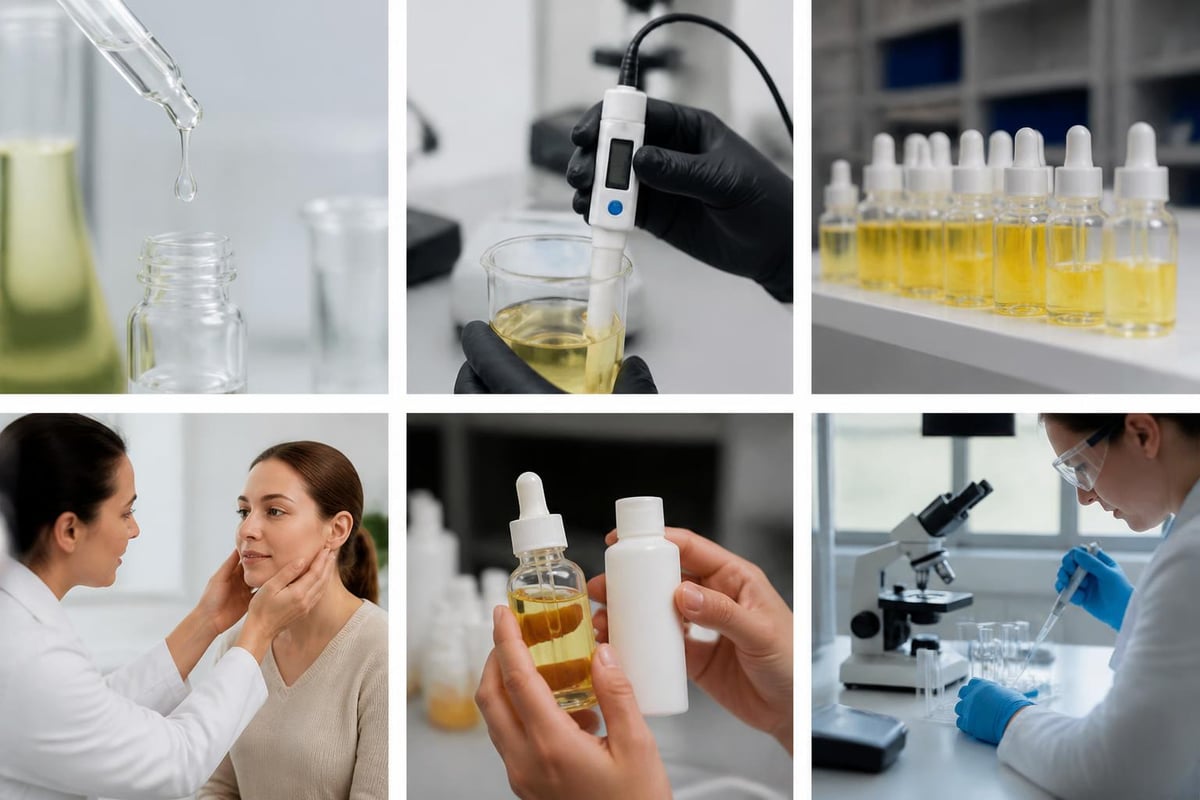
The formulation process typically spans six to twelve months from initial concept to market-ready product. During this period, a retinol company must conduct stability testing under various conditions, assess skin compatibility through clinical trials, and refine the formula based on test results.
Regulatory Compliance and Safety Standards
Operating a retinol company in the United Kingdom requires strict adherence to cosmetic regulations. The Product Safety and Metrology etc. (Amendment etc.) (UK Exit) Regulations 2019 govern cosmetic products, establishing requirements for safety assessments, product information files, and responsible person designation.
| Regulatory Requirement | Responsibility | Timeline |
|---|---|---|
| Cosmetic Product Safety Report | Pre-market completion | Before first sale |
| Product Information File | Ongoing maintenance | Throughout product life |
| Notification to OPSS Portal | Mandatory submission | Before UK market entry |
| Labelling Compliance | Accurate ingredient listing | Product launch |
| Good Manufacturing Practice | Facility certification | Continuous |
Every retinol company must appoint a responsible person within the UK or EU who ensures regulatory compliance. This individual bears legal responsibility for product safety and must maintain comprehensive documentation proving all products meet safety standards.
Documentation and Traceability
Maintaining detailed records forms the backbone of regulatory compliance. Companies must document ingredient sourcing, manufacturing processes, batch testing results, and stability data. This traceability becomes crucial should any safety concerns arise, allowing rapid identification and resolution of issues.
Understanding how retinol influences skin health at a cellular level helps companies develop more effective formulations. Research published by the National Center for Biotechnology Information demonstrates retinol's mechanisms in promoting cellular turnover and collagen synthesis, providing scientific validation for product claims.
Sourcing Natural Ingredients for Retinol Products
For companies committed to natural formulations, ingredient sourcing presents unique opportunities and challenges. A retinol company focused on natural ingredients must identify suppliers who provide sustainably harvested botanicals whilst maintaining consistent quality standards.
Building relationships with ethical suppliers takes time but creates competitive advantages. Suppliers who practice regenerative agriculture, fair trade principles, and transparent supply chains align with consumer values whilst ensuring ingredient purity and potency.
- Retinol sources: Synthetic retinol versus plant-derived retinol alternatives
- Carrier oils: Jojoba, rosehip, argan for enhanced delivery and nourishment
- Antioxidants: Vitamin E, green tea extract, ferulic acid for stability
- Soothing agents: Chamomile, aloe vera, bisabolol to minimise irritation
- Humectants: Hyaluronic acid, glycerin, beta-glucan for hydration support
The Grounded Body approach to natural skincare demonstrates how carefully selected ingredients can work synergistically with retinol to deliver results without compromising on natural principles. Their commitment to effective, nourishing formulations reflects broader industry trends towards clean beauty.
Manufacturing and Quality Control Processes
Establishing robust manufacturing processes distinguishes professional retinol companies from amateur operations. Whether producing in-house or partnering with contract manufacturers, maintaining stringent quality control ensures consistent product performance.

Manufacturing Best Practices
Contract manufacturing offers advantages for emerging retinol companies, providing access to specialised equipment and expertise without substantial capital investment. However, selecting the right partner requires thorough vetting of their facilities, certifications, and quality systems.
In-house manufacturing grants greater control over formulation secrecy and production scheduling but demands significant investment in equipment, facility certification, and trained personnel. Many successful companies begin with contract manufacturing before transitioning to proprietary facilities as they scale.
| Manufacturing Aspect | Contract Manufacturing | In-House Production |
|---|---|---|
| Initial Investment | Lower (£5,000-£15,000) | Higher (£50,000-£200,000+) |
| Quality Control | Shared responsibility | Full control |
| Flexibility | Moderate | High |
| Minimum Order Quantities | Often 500-1,000 units | No minimums |
| Time to Market | 3-6 months | 6-12 months |
Building Brand Trust and Consumer Education
Operating a successful retinol company extends far beyond product development. Consumer education forms a critical component of brand strategy, particularly given retinol's reputation for causing initial irritation. Companies that invest in educational content build lasting customer relationships and reduce return rates.
Addressing common concerns proactively demonstrates expertise and builds confidence. Many consumers wonder about topics such as whether to start using retinol in their twenties, appropriate application techniques, and managing initial adjustment periods.
Educational Content Strategies
- How-to guides: Detailed instructions for first-time retinol users
- Ingredient transparency: Explaining every component and its purpose
- Clinical evidence: Sharing research findings and study results
- Before-and-after documentation: Setting realistic expectations with authentic results
- Expert collaborations: Featuring dermatologists and skincare specialists
E-commerce platforms like Shopify enable retinol companies to create comprehensive educational resources directly on their websites. Communities such as Talk Shop provide valuable insights into optimising product pages, improving conversion rates, and leveraging customer feedback to refine messaging strategies.
Pricing Strategy and Market Positioning
Determining appropriate pricing for retinol products requires careful analysis of production costs, market positioning, and perceived value. A retinol company must balance profitability with accessibility whilst communicating quality through pricing psychology.
The retinol market spans a broad price spectrum, from budget-friendly options around £10 to luxury formulations exceeding £200. Position depends on multiple factors including ingredient quality, brand heritage, packaging sophistication, and clinical validation.
Premium positioning suits companies emphasising natural ingredients, sustainable practices, and superior formulations. Consumers increasingly demonstrate willingness to invest in products that align with their values, particularly when brands transparently communicate their quality differentiators.
Cost Structure Breakdown
Understanding true product costs enables informed pricing decisions. Beyond ingredient expenses, companies must account for packaging, testing, regulatory compliance, marketing, distribution, and operational overhead.
- Raw materials: 15-25% of retail price
- Packaging: 10-20% of retail price
- Manufacturing and testing: 5-10% of retail price
- Marketing and acquisition: 20-30% of retail price
- Distribution and fulfilment: 10-15% of retail price
- Operating margin: 20-30% of retail price
Distribution Channels and Retail Partnerships
Selecting appropriate distribution channels significantly impacts a retinol company's growth trajectory. Direct-to-consumer sales through e-commerce platforms offer higher margins and customer data access, whilst retail partnerships provide broader reach and credibility.
Many successful companies employ multi-channel strategies, balancing online sales with carefully selected retail partnerships. Stockist programmes allow independent beauty retailers to carry products whilst maintaining brand standards and pricing integrity.
Wholesale relationships require different considerations than direct sales. Companies must establish minimum order quantities, wholesale pricing structures, and marketing support programmes that benefit both parties without eroding brand equity.

Digital Marketing and Customer Acquisition
Building awareness for a retinol company demands sophisticated digital marketing strategies. Content marketing, search engine optimisation, social media engagement, and email nurturing work together to attract and convert customers.
Search engine optimisation remains fundamental for skincare brands. Creating valuable content around topics consumers actively research builds organic visibility whilst establishing thought leadership. Recent expert recommendations highlight how consumers increasingly rely on detailed reviews and educational content when selecting retinol products.
Platforms like RankPill can help retinol companies scale their content production whilst maintaining quality and relevance. Automated SEO tools enable smaller teams to compete with established brands by consistently publishing optimised content that addresses customer questions.
Customer Acquisition Channels
| Channel | Typical Cost per Acquisition | Conversion Rate | Best For |
|---|---|---|---|
| Organic Search | £0-£15 | 2-5% | Long-term growth |
| Paid Search | £25-£60 | 3-7% | Immediate visibility |
| Social Media Ads | £20-£45 | 1-4% | Brand awareness |
| Influencer Partnerships | £30-£100 | 4-8% | Credibility building |
| Email Marketing | £5-£20 | 8-15% | Customer retention |
Product Development and Innovation Pipeline
Sustaining growth requires continuous innovation. Successful retinol companies maintain active development pipelines, regularly introducing complementary products that enhance existing offerings whilst attracting new customer segments.
Innovation need not mean entirely new products. Reformulations incorporating improved delivery systems, expanded shade ranges for tinted retinol products, or travel-friendly sizes all represent valuable innovations that strengthen product portfolios.
Customer feedback drives the most successful product development initiatives. Companies that actively solicit and incorporate customer input create products that genuinely address unmet needs rather than adding unnecessary SKUs.
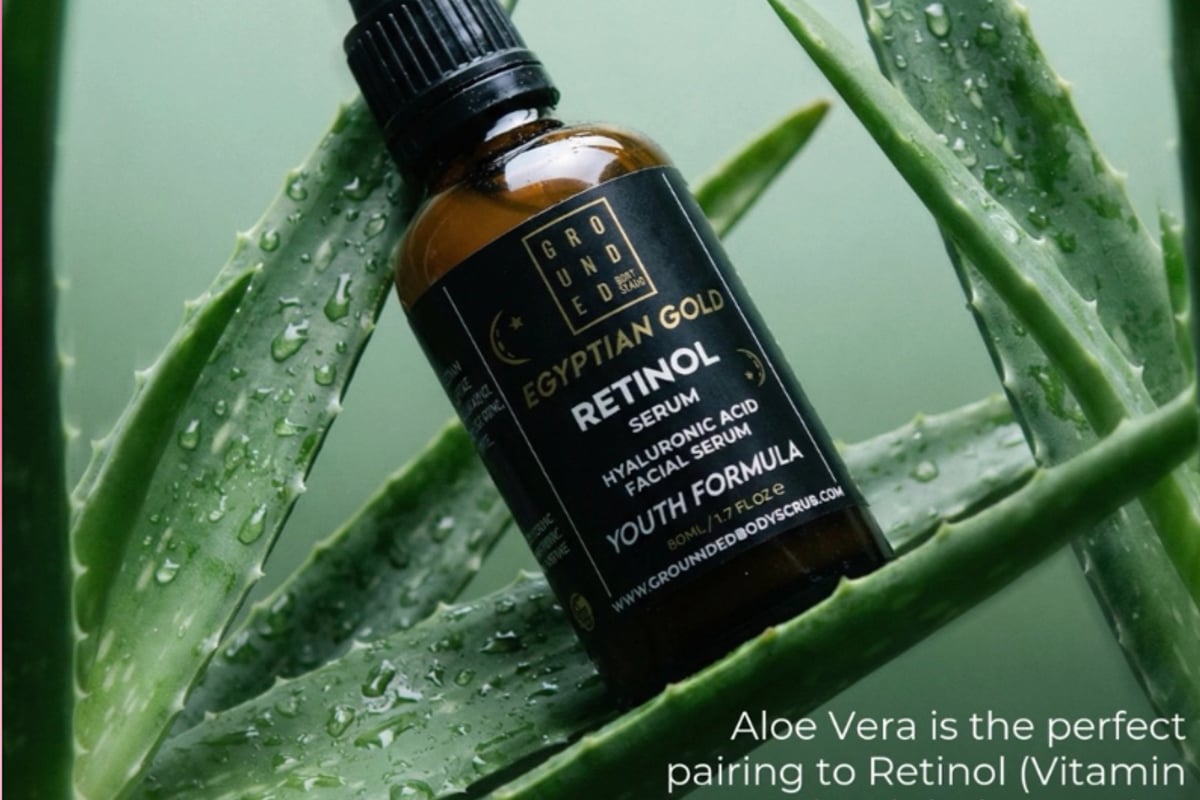
The Egyptian Gold Retinol Serum exemplifies how natural ingredient companies can formulate retinol products that address multiple concerns simultaneously. By targeting wrinkles, fine lines, collagen loss, and dryness within a single product, it demonstrates the thoughtful formulation approach that resonates with today's informed consumers.
Scaling Operations and Sustainable Growth
Transitioning from startup to established retinol company requires strategic planning around inventory management, team expansion, and operational efficiency. Many companies stumble during rapid growth phases, struggling to maintain quality whilst meeting increased demand.
Inventory forecasting becomes increasingly critical as companies scale. Stockouts damage customer trust and brand reputation, whilst excess inventory ties up capital and risks product expiration. Sophisticated forecasting models incorporating seasonal trends, marketing campaign impacts, and historical sales data optimise inventory levels.
Building a talented team forms the foundation of sustainable growth. A retinol company requires expertise spanning formulation chemistry, regulatory compliance, quality assurance, marketing, customer service, and operations. Identifying gaps and recruiting strategically prevents bottlenecks as the business expands.
Operational Scaling Milestones
- £50,000 annual revenue: Founder-led operations, contract manufacturing
- £250,000 annual revenue: First specialist hires (marketing, customer service)
- £500,000 annual revenue: Operations manager, inventory systems implementation
- £1,000,000 annual revenue: Product development team, potential manufacturing transition
- £2,000,000+ annual revenue: Multi-product lines, international expansion consideration
For companies building digital product businesses alongside physical products, resources like CreateSell offer guidance on creating automated revenue streams. Digital products such as skincare courses or consultation programmes complement physical retinol products whilst scaling revenue without proportional inventory investment.
Customer Retention and Loyalty Programmes
Acquiring new customers costs five to seven times more than retaining existing ones, making customer retention crucial for retinol company profitability. Loyalty programmes, subscription models, and exceptional customer service transform one-time buyers into long-term advocates.
Subscription programmes suit retinol products particularly well, as consistent use over months delivers optimal results. Customers appreciate the convenience of automatic deliveries whilst companies benefit from predictable revenue and improved lifetime value metrics.
Personalisation enhances retention significantly. Companies that segment customers based on skin concerns, product preferences, and engagement levels can deliver targeted communications that feel relevant rather than intrusive. Email sequences educating customers about proper retinol use, addressing common concerns, and celebrating progress milestones strengthen relationships beyond transactional interactions.
Retention Strategy Components
- Welcome series: Onboarding emails explaining product use and setting expectations
- Educational content: Regular tips, research updates, and application techniques
- Milestone recognition: Celebrating 30-day, 60-day, and 90-day usage anniversaries
- Exclusive access: Early product launches and special formulations for loyal customers
- Referral incentives: Rewarding customers who introduce friends to the brand
International Expansion Considerations
Many retinol companies eventually explore international markets to accelerate growth. However, expansion introduces complexity around regulatory compliance, shipping logistics, currency management, and cultural adaptation.
Regulatory requirements vary significantly across markets. The European Union maintains different cosmetic regulations than the United Kingdom post-Brexit, whilst markets like the United States, Canada, and Australia each impose unique requirements. Companies must research destination market regulations thoroughly before committing resources to expansion.
Cultural preferences around retinol use differ internationally. Some markets embrace retinol enthusiastically, whilst others remain sceptical or prefer alternative anti-ageing approaches. Conducting market research before launching prevents costly missteps and ensures marketing messages resonate with local audiences.
Logistics partnerships determine international expansion success. Companies must identify reliable fulfilment partners capable of managing customs documentation, calculating duties accurately, and delivering products within acceptable timeframes. Poor international shipping experiences quickly damage brand reputation in new markets.
Sustainability and Ethical Practices
Modern consumers increasingly evaluate retinol companies based on environmental and ethical practices. Sustainability encompasses ingredient sourcing, manufacturing processes, packaging choices, and end-of-life product disposal.
Sustainable packaging represents one of the most visible commitments companies can make. Options include recyclable glass bottles, post-consumer recycled plastics, biodegradable materials, and refillable systems. Whilst sustainable packaging often costs more initially, it strengthens brand positioning and appeals to environmentally conscious consumers.
Ingredient sustainability extends beyond organic certification. Companies committed to genuine sustainability assess water usage, carbon emissions, biodiversity impacts, and fair labour practices throughout their supply chains. Transparency around these efforts, including acknowledging areas for improvement, builds authentic connections with values-driven consumers.
- Carbon-neutral shipping: Offsetting delivery emissions through verified programmes
- Sustainable ingredient sourcing: Prioritising regeneratively farmed botanicals
- Minimal packaging: Eliminating unnecessary secondary packaging and inserts
- Recyclability: Designing packaging for easy recycling in standard programmes
- Refill programmes: Offering discounted refills to reduce packaging waste
The broader skincare industry increasingly recognises sustainability as essential rather than optional. Companies establishing strong sustainability practices today position themselves advantageously as regulations tighten and consumer expectations evolve.
Building a successful retinol company demands expertise across formulation, regulation, marketing, and operations whilst maintaining unwavering commitment to quality and customer satisfaction. Whether you're developing your first retinol product or expanding an existing range, partnering with brands that share your values ensures access to proven formulations and natural ingredients. Grounded Body offers thoughtfully crafted retinol solutions alongside complementary skincare products, helping you discover effective, natural approaches to anti-ageing and skin health.