
Retinol Skin: Transform Your Complexion Naturally
Retinol has become one of the most discussed ingredients in skincare, and for good reason. This powerful derivative of vitamin A offers transformative benefits for those seeking to address concerns ranging from fine lines to uneven texture. Understanding how retinol works with your skin, the science behind its effectiveness, and the proper way to incorporate it into your routine can make the difference between achieving radiant results and experiencing unnecessary irritation. Whether you're new to retinol skin treatments or looking to refine your approach, knowing the fundamentals ensures you'll maximise the benefits whilst supporting your skin's natural health.
Understanding Retinol and How It Works
Retinol belongs to a family of compounds called retinoids, which are derivatives of vitamin A. When applied topically, retinol converts into retinoic acid, the active form that your skin cells recognise and respond to. This conversion process is what makes retinol particularly effective yet gentler than prescription-strength alternatives.
The mechanism by which retinol changes skin at a chemical level involves accelerating cell turnover and stimulating collagen production. Your skin naturally sheds dead cells and produces new ones, but this process slows with age. Retinol essentially speeds up this cycle, encouraging fresh, healthy cells to surface more quickly whilst simultaneously prompting fibroblasts in the dermis to manufacture more collagen.
The Science Behind Retinol Skin Benefits
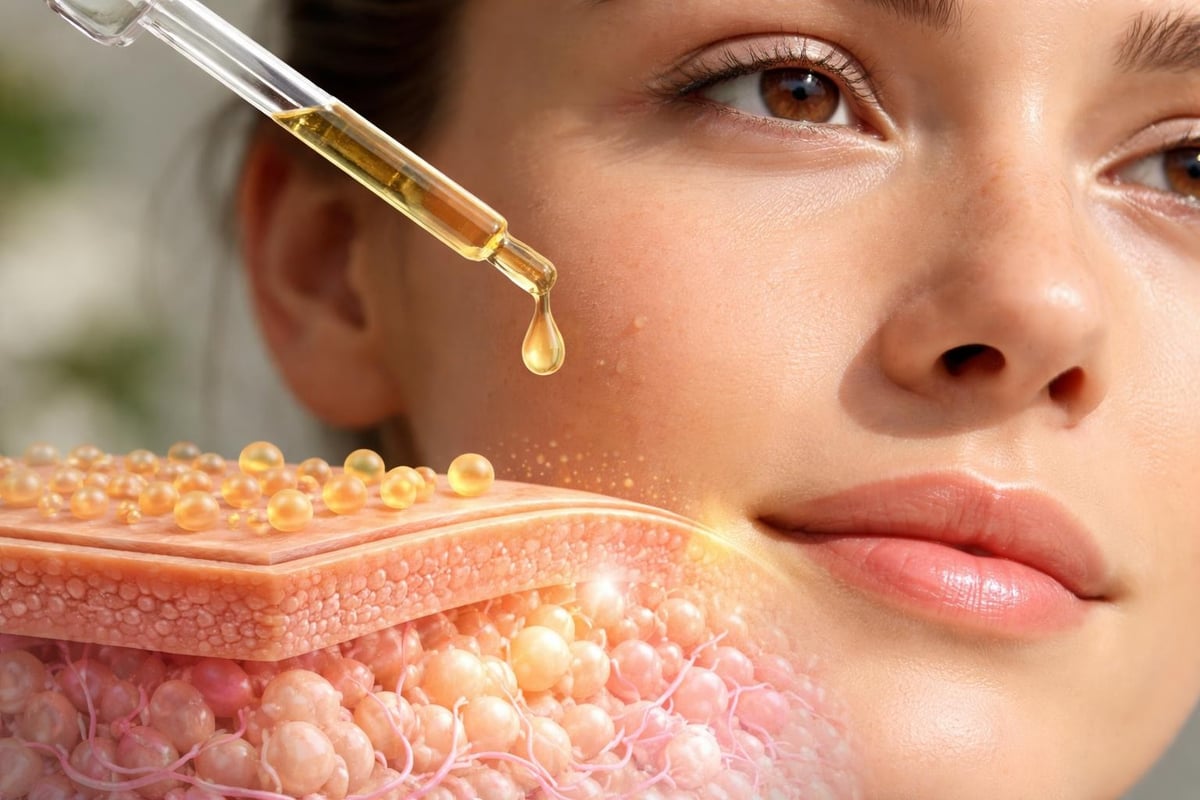
Research has consistently demonstrated retinol's efficacy across multiple skin concerns. Studies show that regular use can reduce the appearance of fine lines, improve skin texture, and address hyperpigmentation. The ingredient works by penetrating the outer layer of skin to reach the dermis, where it can influence cellular behaviour at a fundamental level.
Key mechanisms of action include:
- Accelerating cellular turnover to reveal fresher skin
- Stimulating collagen and elastin production
- Reducing the breakdown of existing collagen
- Normalising pigment production to even skin tone
- Unclogging pores and reducing acne formation
The versatility of retinol skin treatments stems from these multi-faceted actions. Rather than addressing just one concern, retinol tackles several simultaneously, making it a cornerstone ingredient in comprehensive skincare routines.
Benefits of Retinol for Different Skin Concerns
Retinol skin treatments offer remarkable benefits across various skin types and concerns. Understanding which benefits align with your specific needs helps set realistic expectations and maintain consistency during the adjustment period.
Anti-Ageing and Fine Lines
For those concerned with signs of ageing, retinol stands out as one of the most effective non-prescription options available. According to Stanford dermatologists, retinol deserves its reputation for reducing fine lines and wrinkles through its collagen-boosting properties.
The anti-ageing benefits become visible gradually, typically within 12 weeks of consistent use. Patience proves essential, as the skin requires time to increase collagen production and complete multiple turnover cycles. Many users notice improved firmness and reduced appearance of fine lines around the eyes and mouth first.
Texture and Tone Improvement
Uneven skin texture often results from accumulated dead cells, sun damage, and irregular cell turnover. Retinol addresses these issues by promoting consistent exfoliation and encouraging healthy cell production. The result is smoother, more refined skin with reduced appearance of rough patches and enlarged pores.
| Skin Concern | How Retinol Helps | Expected Timeline |
|---|---|---|
| Fine Lines | Boosts collagen production | 8-12 weeks |
| Hyperpigmentation | Normalises melanin distribution | 6-10 weeks |
| Texture | Accelerates cell turnover | 4-8 weeks |
| Acne | Unclogs pores, reduces inflammation | 6-12 weeks |
Acne and Blemish Control
Beyond anti-ageing benefits, retinol skin formulations prove highly effective for acne-prone complexions. The ingredient prevents pores from becoming clogged by encouraging rapid cell turnover and reducing the sticky quality of cells that line pore walls. This action prevents the formation of comedones whilst also helping existing blemishes resolve more quickly.
Those with normal skin or dry skin can both benefit from retinol, though application frequency and concentration may need adjustment based on individual tolerance.
Starting Your Retinol Skin Journey
Introducing retinol requires a thoughtful approach to minimise irritation whilst allowing your skin to build tolerance. The "start low and go slow" principle remains the gold standard recommendation from dermatologists worldwide.
Begin with a low concentration, typically 0.25% to 0.5% retinol, and apply it just once or twice weekly. This conservative start gives your skin time to adapt to the ingredient's effects. Many people make the mistake of applying retinol daily from the outset, which often leads to redness, peeling, and discomfort that could be avoided.
Building Tolerance Gradually
Week-by-week progression plan:
- Weeks 1-2: Apply retinol once weekly in the evening
- Weeks 3-4: Increase to twice weekly
- Weeks 5-6: Progress to every other evening
- Weeks 7-8: Consider nightly application if no irritation occurs
Throughout this process, monitor your skin's response carefully. Some mild flaking or slight redness is normal during the adjustment period, often called "retinisation". However, significant irritation, burning, or persistent redness indicates you're progressing too quickly.
Application Technique Matters
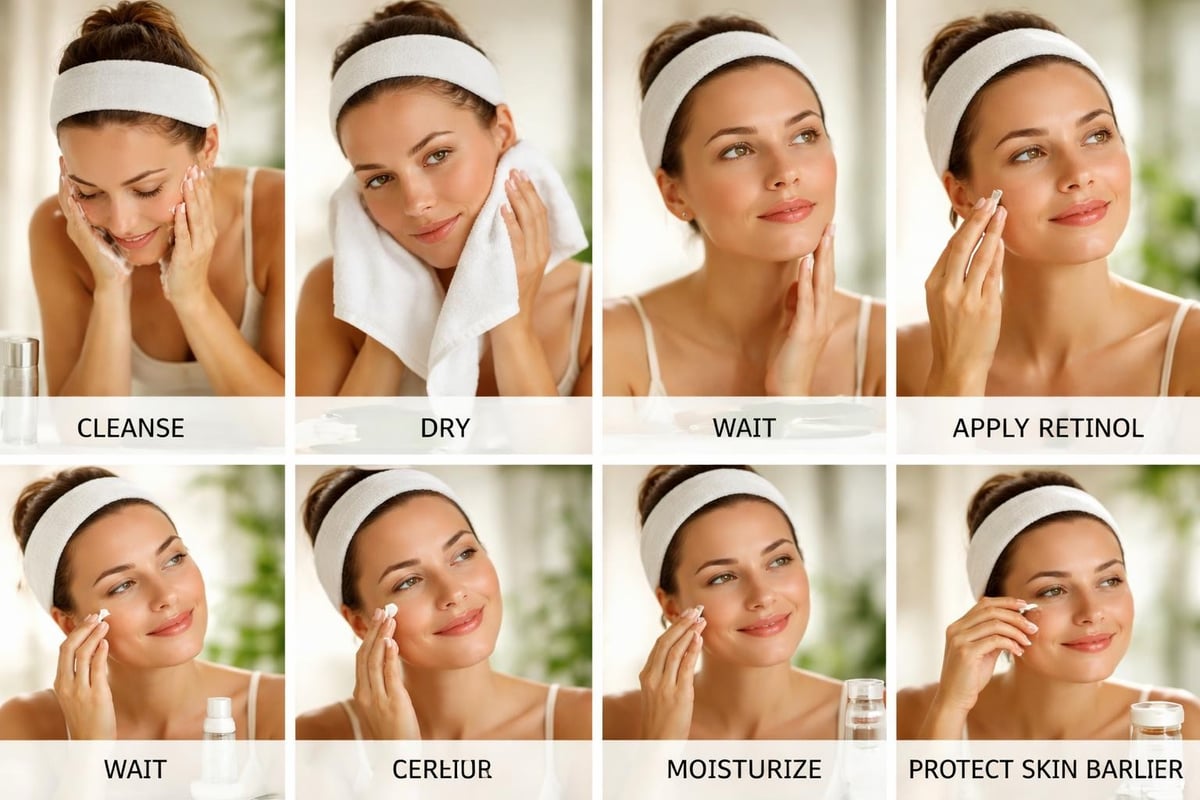
Proper application maximises benefits whilst minimising potential irritation. Always apply retinol to completely dry skin, as moisture can increase penetration and potentially cause irritation. Wait 20-30 minutes after cleansing before applying your retinol product.
Use a pea-sized amount for your entire face. Dot the product on your forehead, cheeks, and chin, then gently spread it evenly across your face. Avoid the delicate eye area unless you're using a product specifically formulated for that region. After allowing the retinol to absorb for a few minutes, follow with a nourishing moisturiser to support your skin barrier.
Choosing the Right Retinol Formulation
The market offers numerous retinol skin products, from serums to creams to oils. Each formulation type offers distinct advantages depending on your skin type and preferences.
Serums Versus Creams
Retinol serums typically feature lighter textures that absorb quickly, making them ideal for those with oily or combination skin. The lightweight consistency allows for easy layering with other products. Serums often contain higher concentrations of active ingredients, as the formula isn't diluted with heavy moisturising agents.
Creams, conversely, combine retinol with emollient ingredients that provide hydration alongside the active benefits. These formulations suit those with dry or mature skin who need additional moisture support. The creamier texture creates a protective barrier that can help buffer retinol's effects, potentially reducing irritation.
Natural formulations deserve consideration for those seeking effective anti-ageing skincare without synthetic additives. Products that combine retinol with nourishing botanical ingredients support skin health whilst delivering transformative results.
Concentration Considerations
Retinol products range from 0.25% to 1% in over-the-counter formulations. Higher percentages aren't necessarily better, particularly for retinol beginners. A 0.5% concentration often provides excellent results without the heightened irritation risk associated with stronger formulations.
When evaluating products, examine the full ingredient list rather than focusing solely on retinol percentage. Supportive ingredients like hyaluronic acid, niacinamide, and natural oils enhance retinol's benefits whilst supporting skin barrier function. According to research on therapeutic uses of retinol and antioxidants, combining retinol with complementary ingredients optimises results.
Retinol Skin Care Routine Integration
Successfully incorporating retinol into your existing routine requires strategic planning. The ingredient interacts with other actives, and certain combinations should be avoided whilst others prove synergistic.
Morning Routine Adjustments
Never apply retinol in the morning. The ingredient increases photosensitivity, making your skin more vulnerable to UV damage. Instead, reserve retinol for evening application and prioritise sun protection during the day.
Your morning routine should include:
- Gentle cleanser
- Hydrating serum or essence
- Antioxidant serum (vitamin C works well)
- Moisturiser appropriate for your skin type
- Broad-spectrum SPF 30 or higher
The sunscreen step becomes non-negotiable when using retinol. Even on cloudy days, UV rays can penetrate and cause damage to retinol-treated skin. Consider this sun protection essential maintenance rather than optional enhancement.
Evening Routine Structure
Structure your evening routine to support retinol effectiveness whilst maintaining skin barrier health. Cleanse thoroughly to remove makeup, sunscreen, and daily accumulation. If you're using active exfoliants like AHAs or BHAs, apply them on alternate evenings from retinol rather than combining them.
On retinol evenings:
- Double cleanse if wearing makeup or sunscreen
- Pat skin completely dry
- Wait 20-30 minutes
- Apply pea-sized amount of retinol
- Wait 5-10 minutes
- Apply hydrating serum if desired
- Seal with nourishing moisturiser
The "sandwich method" involves applying moisturiser before and after retinol, buffering its effects. This technique suits those with sensitive skin or those new to retinol treatments.
Managing Retinol Side Effects
Even with careful introduction, some users experience retinol skin reactions. Understanding how to manage these effects prevents abandonment of an ingredient that could significantly benefit your complexion.
The Retinisation Period
Retinisation describes the adjustment phase when your skin adapts to retinol. During this period, which typically lasts 2-4 weeks, you might experience:
- Mild redness or warmth
- Dryness or flaking
- Temporary increase in sensitivity
- Slight tingling upon application
These symptoms don't necessarily indicate a problem. They reflect your skin's response to increased cellular activity. However, severe burning, persistent redness, or significant peeling suggest you're using too much product or applying it too frequently.
Troubleshooting Common Issues
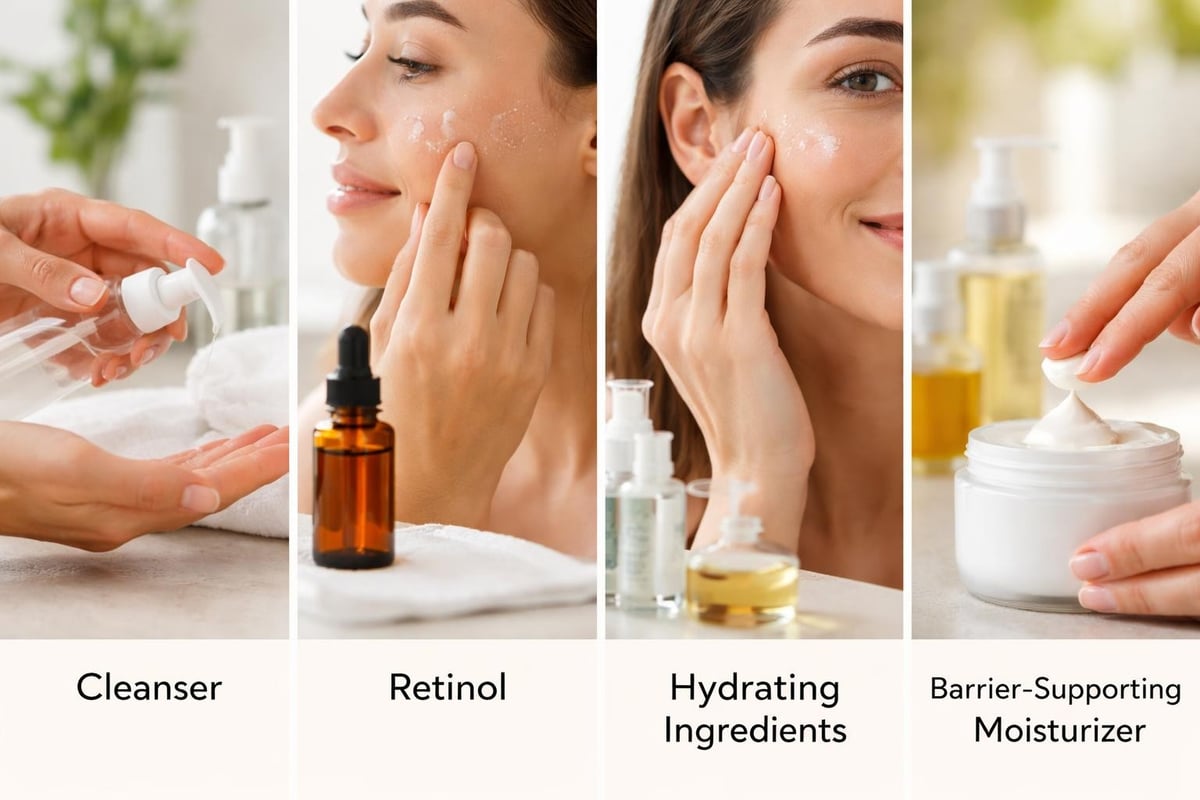
For excessive dryness: Reduce application frequency and ensure you're using a rich, barrier-supporting moisturiser. Consider incorporating facial oils into your routine, as products like those from nooni offer intensive hydration that complements retinol treatments.
For persistent irritation: Take a break from retinol for 3-5 days, focusing on gentle, hydrating products. When you resume, reduce the concentration or frequency. Some people find success with applying retinol every third evening rather than more frequently.
For peeling: Resist the urge to physically exfoliate. Instead, allow the flaking to resolve naturally whilst maintaining excellent hydration. Physical scrubbing can damage the skin barrier and worsen irritation.
| Side Effect | Solution | Prevention |
|---|---|---|
| Dryness | Increase moisturiser, reduce frequency | Buffer with moisturiser before retinol |
| Redness | Take 2-3 day break, use soothing ingredients | Start with lower concentration |
| Peeling | Hydrate intensively, no physical exfoliation | Apply to completely dry skin |
| Sensitivity | Simplify routine, remove other actives | Introduce slowly, one active at a time |
Retinol for Different Skin Types
Tailoring your retinol approach to your specific skin type optimises results whilst minimising complications. Each skin type presents unique considerations that influence product selection and application strategy.
Dry and Sensitive Skin
Those with dry or sensitive complexions benefit from retinol but require extra care during implementation. Choose cream-based formulations that provide hydration alongside active benefits. The additional emollients buffer retinol's effects, reducing irritation potential.
Start with the lowest available concentration and progress slowly. Your adjustment period may extend longer than those with oily skin, potentially requiring 6-8 weeks before increasing frequency. Products from Grounded Body's retinol range incorporate nourishing natural ingredients that support skin barrier function whilst delivering retinol benefits.
Oily and Acne-Prone Skin
Oily skin often tolerates retinol well, as the increased cell turnover helps manage excess sebum and prevent clogged pores. Lightweight serum formulations work best, as they won't contribute to congestion or feel heavy on the skin.
You may progress through the introduction phase more quickly than those with dry skin, potentially reaching nightly application within 4-6 weeks. However, resist rushing the process, as even oily skin needs time to build retinol tolerance.
Combination Skin
Combination skin presents the challenge of managing different needs across your face. You might apply retinol more frequently to oily zones like the T-zone whilst using it sparingly on drier cheek areas. Alternatively, use a single moderate approach across your entire face, allowing other targeted products to address zone-specific concerns.
Natural Ingredients That Complement Retinol
Pairing retinol with supportive natural ingredients enhances its benefits whilst protecting skin health. Rather than viewing retinol as a standalone solution, consider it part of a comprehensive approach that leverages multiple beneficial components.
Hydrating and Soothing Ingredients
Hyaluronic acid works synergistically with retinol by providing intense hydration that counteracts potential dryness. This humectant draws moisture into the skin, plumping fine lines and supporting the barrier function that retinol can temporarily compromise.
Natural oils like rosehip, argan, and jojoba nourish retinol-treated skin without interfering with the active's efficacy. These oils provide essential fatty acids and vitamins that support cellular health and repair. The beauty benefits of retinol amplify when combined with thoughtfully selected botanical ingredients.
Antioxidant Support
Antioxidants protect skin from environmental damage whilst supporting retinol's renewal processes. Vitamin C, when used in morning routines, complements evening retinol application by defending against free radicals and boosting collagen production through a different mechanism.
Green tea extract, niacinamide, and vitamin E offer additional antioxidant protection. These ingredients calm inflammation, support barrier function, and enhance overall skin resilience. For those seeking comprehensive care, Grounded Body's skincare collections incorporate these complementary ingredients alongside retinol formulations.
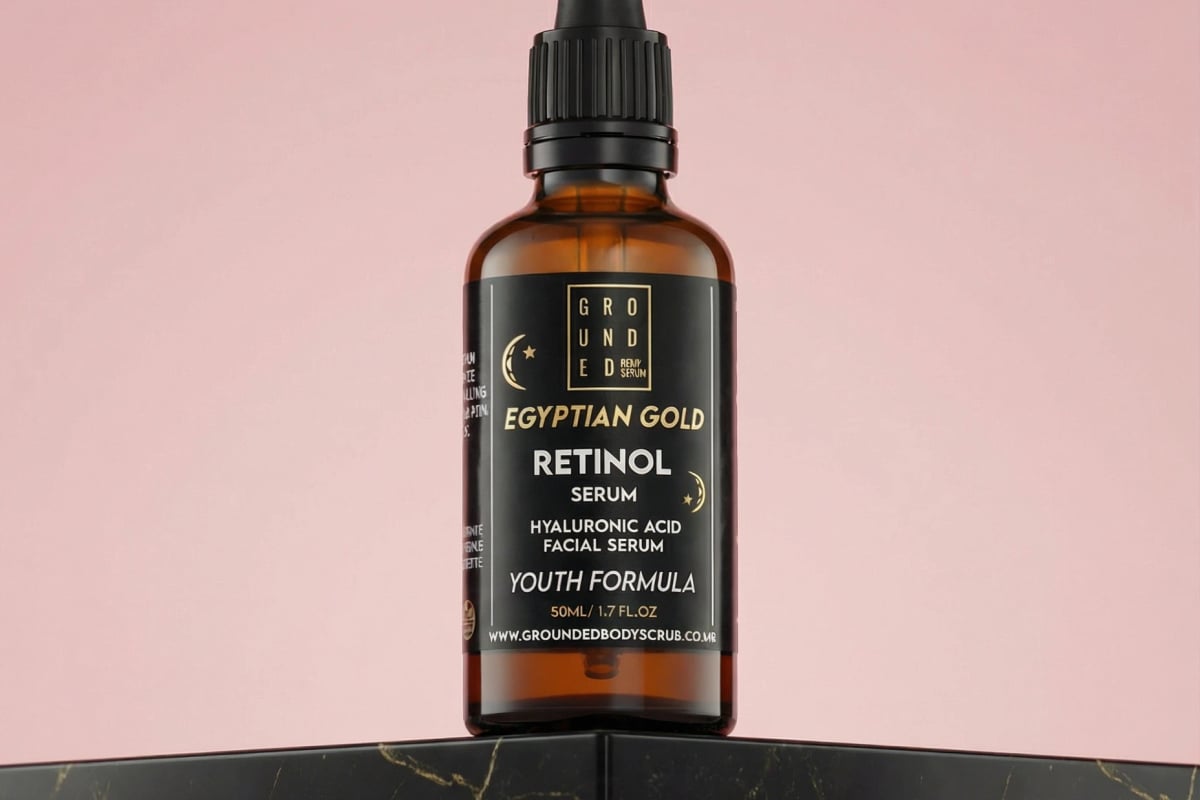
When seeking targeted solutions for specific concerns, retinol serums offer concentrated benefits. Egyptian Gold Retinol Serum addresses multiple signs of ageing including wrinkles, fine lines, loss of collagen, and dryness through a thoughtfully formulated blend that combines retinol with nourishing ingredients.
Long-Term Retinol Use and Maintenance
Retinol skin treatments deliver their most impressive results with consistent long-term use. Understanding how to maintain your routine whilst avoiding plateau effects ensures continued improvement over months and years.
Adjusting Your Approach Over Time
After 3-6 months of consistent use, your skin becomes fully adapted to retinol. At this point, you might consider increasing concentration if you've started with a lower percentage. However, this step isn't mandatory. Many people achieve excellent long-term results by maintaining their initial concentration indefinitely.
Seasonal adjustments may prove necessary. Winter's harsh conditions can make skin more sensitive, potentially requiring reduced retinol frequency. Conversely, summer's increased UV exposure demands even more rigorous sun protection rather than changes to your retinol routine.
Monitoring Progress and Results
Timeline for visible improvements:
- 4-6 weeks: Improved texture, reduced congestion
- 8-12 weeks: Reduced fine lines, more even tone
- 3-6 months: Significant improvement in wrinkles, firmness
- 6-12 months: Comprehensive transformation including improved elasticity
Photograph your skin monthly to track subtle changes that might not be obvious day-to-day. Consistent lighting and angles help you accurately assess progress. Remember that retinol works gradually, and patience yields the most satisfying results.
Professional Guidance and When to Seek It
Whilst over-the-counter retinol products suit most people, certain situations warrant professional consultation. Understanding when to seek expert advice prevents complications and optimises outcomes.
According to insights from Time magazine's analysis of retinol and retinoids, consulting a dermatologist becomes important when dealing with severe skin concerns or when over-the-counter options prove insufficient.
Situations Requiring Expert Consultation
Consider professional guidance if you experience:
- Severe, persistent irritation despite reduced application
- Skin conditions like rosacea or eczema that might be aggravated
- Pregnancy or breastfeeding (retinol isn't recommended during these periods)
- Desire for prescription-strength retinoids
- Combining retinol with other professional treatments
Dermatologists can prescribe tretinoin, a more potent retinoid that delivers faster, more dramatic results. However, this increased efficacy comes with heightened irritation potential and stricter usage requirements.
Common Myths About Retinol Skin Care
Misconceptions about retinol abound, potentially preventing people from experiencing its benefits or causing them to use it incorrectly. Separating fact from fiction empowers informed decisions.
Myth: Retinol thins the skin. Reality: Retinol actually thickens the dermis by stimulating collagen production whilst thinning the stratum corneum (outermost layer) by accelerating cell turnover. The net effect is stronger, more resilient skin.
Myth: You must experience irritation for retinol to work. Reality: Whilst some adjustment period is normal, severe irritation isn't necessary or beneficial. Gentle introduction allows you to enjoy retinol's benefits without significant discomfort.
Myth: Natural retinol alternatives work just as well. Reality: Whilst ingredients like bakuchiol offer some similar benefits, they don't work through identical mechanisms. Retinol remains unique in its comprehensive effects on cellular function.
Myth: You can't use retinol during summer. Reality: Year-round use is fine with proper sun protection. The key is diligent SPF application rather than seasonal restrictions.
Maximising Your Investment in Retinol Products
Quality retinol formulations represent an investment in your skin's long-term health and appearance. Proper storage and use ensure you extract maximum value from each product.
Storage and Stability
Retinol degrades when exposed to light and air. Store your products in opaque containers in cool, dark places. Avoid keeping them in steamy bathrooms where temperature fluctuations accelerate degradation. Many quality formulations include stabilising ingredients that protect retinol, extending product shelf life.
Check expiration dates and note when you open products. Most retinol formulations maintain effectiveness for 6-12 months after opening. Discard products that change colour, develop unusual odours, or separate significantly.
Getting the Most From Each Application
A little retinol goes a long way. Using more than a pea-sized amount doesn't accelerate results but does increase irritation risk and depletes your product faster. Apply thin, even layers rather than thick applications.
Ensure proper absorption by applying to completely dry skin and waiting between product layers. This patience allows each product to penetrate properly rather than sitting on the surface or interfering with subsequent steps. For comprehensive guidance, Grounded Body's retinol serum insights offer detailed application recommendations.
Retinol skin treatments offer transformative benefits when approached thoughtfully and used consistently. By understanding the science, starting gradually, and supporting your skin with complementary natural ingredients, you can achieve remarkable improvements in texture, tone, and overall radiance. Grounded Body provides carefully formulated retinol products that combine this powerful ingredient with nourishing natural components, supporting your journey towards healthier, more vibrant skin through effective, gentle formulations designed for long-term success.