
Retinol Serum for Dry Skin: Complete Guide 2026
Retinol has long been celebrated as the gold standard in anti-ageing skincare, yet for those with dry skin, the prospect of incorporating this powerful ingredient can seem daunting. The concern is understandable: retinol is renowned for its ability to accelerate cell turnover, which can sometimes lead to increased dryness, flaking, and irritation. However, with the right formulation and approach, a retinol serum for dry skin can deliver remarkable benefits without compromising your skin's moisture barrier. Understanding how to select and use retinol products specifically designed for drier complexions ensures you can harness its transformative properties whilst maintaining optimal hydration levels.
Understanding Retinol and Its Impact on Dry Skin
Retinol, a derivative of vitamin A, works by penetrating the skin's surface to stimulate collagen production and accelerate cellular turnover. This process reveals fresher, more youthful skin beneath whilst addressing concerns such as fine lines, wrinkles, and uneven texture. According to Stanford dermatologists, retinol's efficacy is well-documented, though proper application is essential for achieving optimal results.
For individuals with dry skin, the challenge lies in balancing retinol's exfoliating effects with adequate moisture retention. Dry skin already struggles to maintain its natural lipid barrier, which protects against water loss and environmental stressors. When retinol accelerates the shedding of dead skin cells, this barrier can become temporarily compromised, leading to increased transepidermal water loss.
Why Dry Skin Requires Special Consideration
The unique characteristics of dry skin demand a thoughtful approach when introducing retinol:
- Reduced sebum production means fewer natural oils to cushion against irritation
- Compromised moisture barrier makes skin more susceptible to environmental damage
- Increased sensitivity requires gentler formulations and gradual introduction
- Higher propensity for flaking necessitates additional hydration support
Understanding these factors helps explain why selecting the right retinol serum for dry skin involves more than simply choosing any retinol product off the shelf.
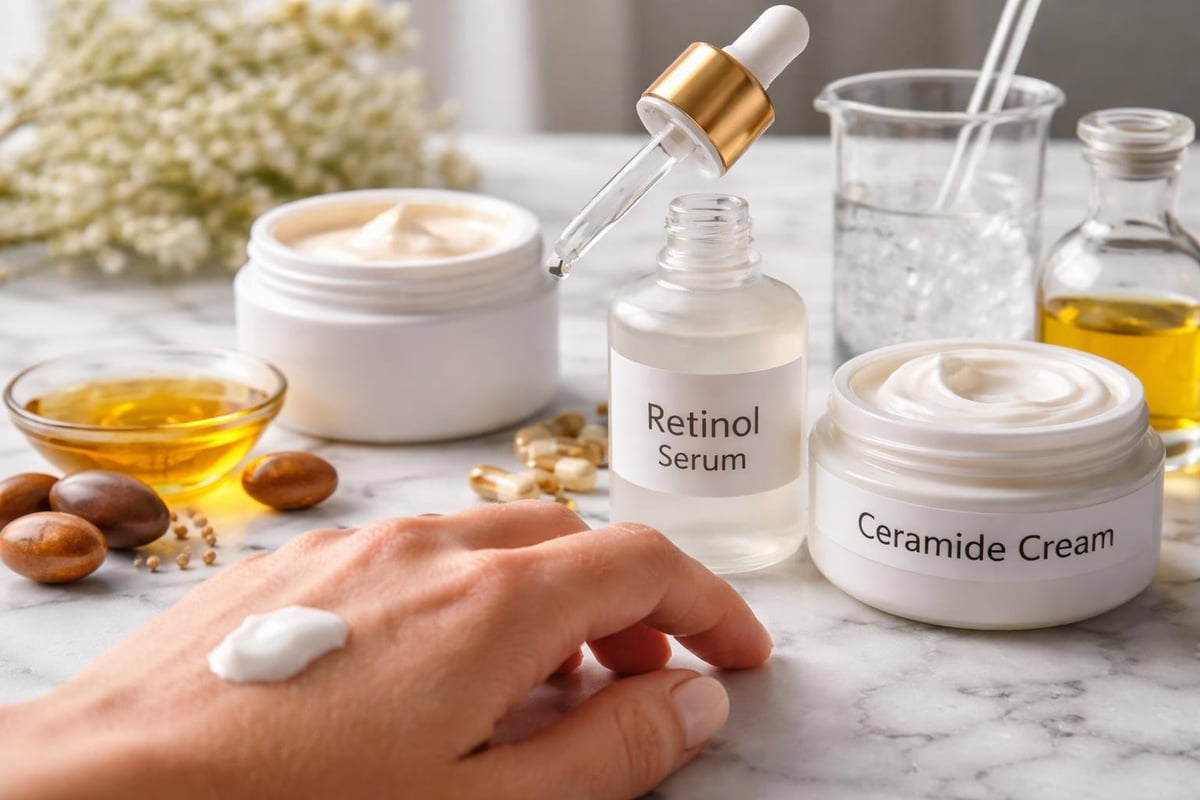
Choosing the Right Retinol Formulation for Dry Complexions
Not all retinol products are created equal, particularly when addressing the specific needs of dry skin. The formulation base, concentration, and accompanying ingredients significantly impact how well your skin tolerates and responds to treatment.
Concentration Considerations
When exploring retinol for normal skin, one might opt for stronger concentrations. However, dry skin benefits from a more conservative approach:
| Retinol Concentration | Suitable For | Expected Results |
|---|---|---|
| 0.25% - 0.3% | First-time users, very dry skin | Gentle introduction, minimal irritation |
| 0.5% - 0.6% | Established users, moderately dry skin | Balanced efficacy and tolerance |
| 1.0%+ | Experienced users, resilient skin | Maximum results, requires careful monitoring |
Beginning with lower concentrations allows your skin to build tolerance gradually, reducing the likelihood of excessive dryness or irritation.
Supporting Ingredients to Seek
A well-formulated retinol serum for dry skin incorporates hydrating and barrier-supporting ingredients:
Humectants draw moisture into the skin and include hyaluronic acid, glycerin, and sodium PCA. These ingredients work alongside retinol to maintain hydration levels even as cellular turnover accelerates.
Emollients such as squalane, jojoba oil, and shea butter soften and smooth the skin's surface whilst reinforcing the lipid barrier. Natural ingredients like these align perfectly with Grounded Body's philosophy of effective, nourishing skincare.
Ceramides and peptides repair and strengthen the moisture barrier, reducing water loss and enhancing skin resilience. These ingredients prove particularly valuable for those with dry skin concerns.
Building a Dry Skin Retinol Routine
Successfully incorporating retinol requires strategic planning and patience. The method of application, frequency of use, and complementary products all influence outcomes.
The Gradual Introduction Protocol
- Week One: Apply retinol serum once every three nights
- Week Two: Increase to every other night if no irritation occurs
- Week Three: Continue every other night, monitoring skin response
- Week Four: Progress to nightly use only if skin shows no adverse effects
This phased approach minimises shock to dry skin whilst allowing time for adaptation. Some individuals may find that alternate-night application remains their ideal frequency indefinitely.
Layering Techniques for Maximum Benefit
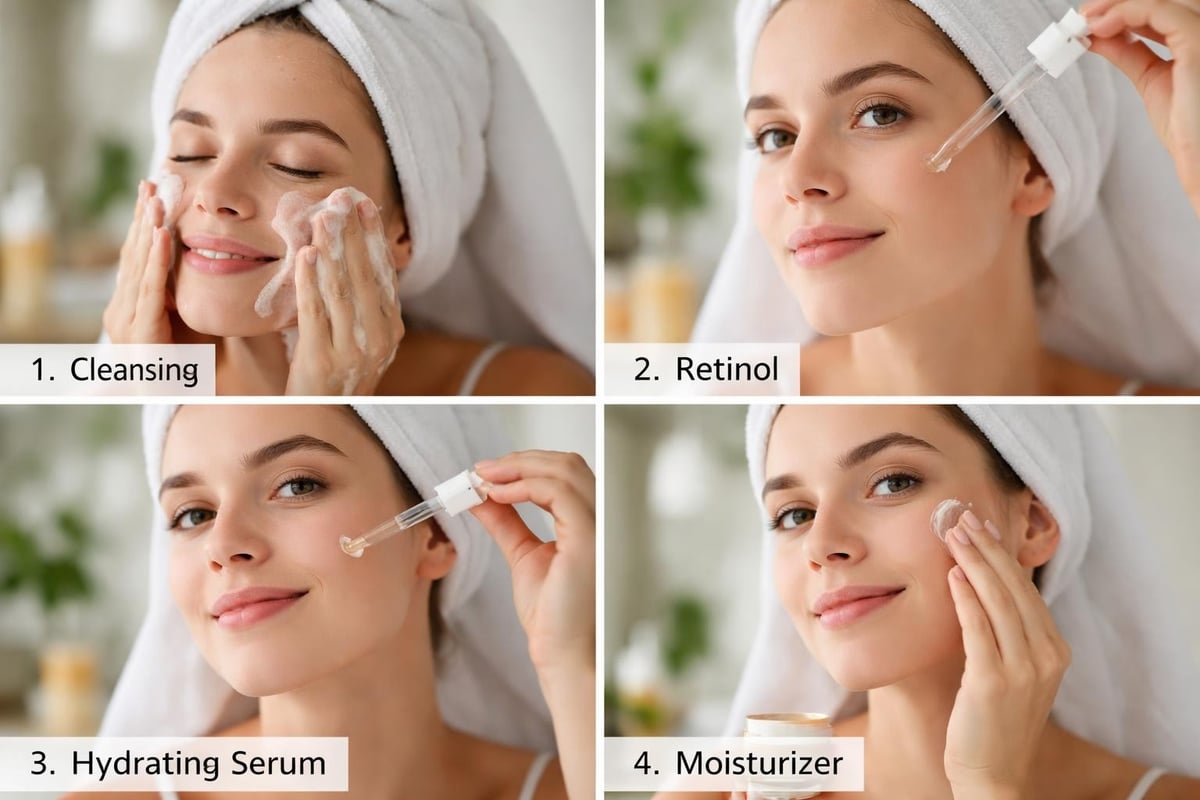
The order in which you apply products significantly impacts both efficacy and tolerability. For dry skin, consider this sequence:
Start with freshly cleansed skin that's completely dry, as damp skin can increase retinol penetration and potential irritation. Apply a thin layer of retinol serum, using approximately a pea-sized amount for the entire face. Wait three to five minutes to allow absorption before proceeding.
Follow with a hydrating serum containing hyaluronic acid or niacinamide to replenish moisture. Finally, seal everything with a rich, nourishing moisturiser to lock in hydration and create a protective barrier.
The Sandwich Method Alternative
For particularly sensitive or dry skin, the "sandwich method" offers enhanced protection:
- Apply moisturiser to clean, dry skin first
- Wait five minutes, then apply retinol serum
- Seal with another layer of moisturiser
This technique buffers retinol's intensity whilst still delivering benefits, making it ideal for those new to retinol or experiencing seasonal dryness.
Addressing Common Challenges and Side Effects
Even with careful selection and application, some degree of adjustment is normal when introducing retinol serum for dry skin. Recognising and managing common issues ensures continued progress.
Managing the Retinisation Period
The first two to four weeks often bring temporary side effects as skin adapts. These may include:
- Mild flaking or peeling
- Increased dryness
- Slight redness or sensitivity
- Temporary breakouts (purging)
These effects typically subside as your skin acclimatises. During this period, prioritise gentle cleansing, avoid harsh exfoliants, and increase moisturisation frequency. Dermatologists recommend reducing application frequency temporarily if irritation becomes uncomfortable.
When to Pause or Adjust
Severe reactions require immediate attention. Discontinue use if you experience:
- Intense burning or stinging that persists
- Significant swelling or rash development
- Excessive peeling that doesn't improve with moisturisation
- Persistent redness lasting beyond initial application
Once skin has recovered, you may resume with a lower concentration or increased buffering through additional moisturising layers.
Maximising Results Whilst Protecting Dry Skin
Achieving optimal outcomes requires more than simply applying retinol serum for dry skin. A holistic approach encompassing lifestyle factors and complementary practices enhances results whilst safeguarding skin health.
Sun Protection: Non-Negotiable for Retinol Users
Retinol increases photosensitivity, making diligent sun protection essential. Apply broad-spectrum SPF 30 or higher every morning, regardless of weather conditions. Reapply every two hours when outdoors, and consider physical sunscreens containing zinc oxide or titanium dioxide for added barrier protection.
Hydration from Within and Without
Internal hydration supports skin function at the cellular level. Aim for adequate water intake throughout the day, and consider incorporating omega-3 fatty acids through diet or supplementation to support skin barrier function.
Externally, layer moisture-binding products generously. Use a humidifier in dry environments to prevent excessive moisture loss from the air around you.
Strategic Timing Around Skin Stressors
Certain situations warrant temporary retinol cessation:
- Before cosmetic procedures: Stop retinol one week prior to treatments like chemical peels or laser therapy
- During extreme weather: Consider reducing frequency during harsh winter months or after sun exposure
- Around travel: Airplane cabins and climate changes can stress dry skin
- When using new actives: Introduce one active ingredient at a time to identify sensitivities
Natural Ingredients That Complement Retinol
For those seeking skincare products with natural formulations, certain plant-based ingredients work synergistically with retinol to support dry skin.
Rosehip oil provides natural trans-retinoic acid alongside essential fatty acids that nourish and repair. Calendula extract offers anti-inflammatory properties that soothe irritation whilst promoting healing. Oat extract calms sensitivity and reinforces the moisture barrier through beta-glucans and ceramide-like compounds.
Evening primrose oil delivers gamma-linolenic acid, which supports skin barrier function and reduces inflammation. Aloe vera provides immediate soothing relief whilst its polysaccharides help retain moisture in the skin's upper layers.
When combined thoughtfully, these natural ingredients enhance retinol's benefits whilst mitigating potential dryness. This approach aligns with the philosophy of using effective, naturally-derived formulations.
Professional-Grade Options for Dry Skin Types
For those seeking advanced solutions that combine retinol efficacy with dry skin compatibility, professionally formulated products offer targeted benefits. Expert recommendations emphasise the importance of comprehensive formulations that address multiple skin needs simultaneously.
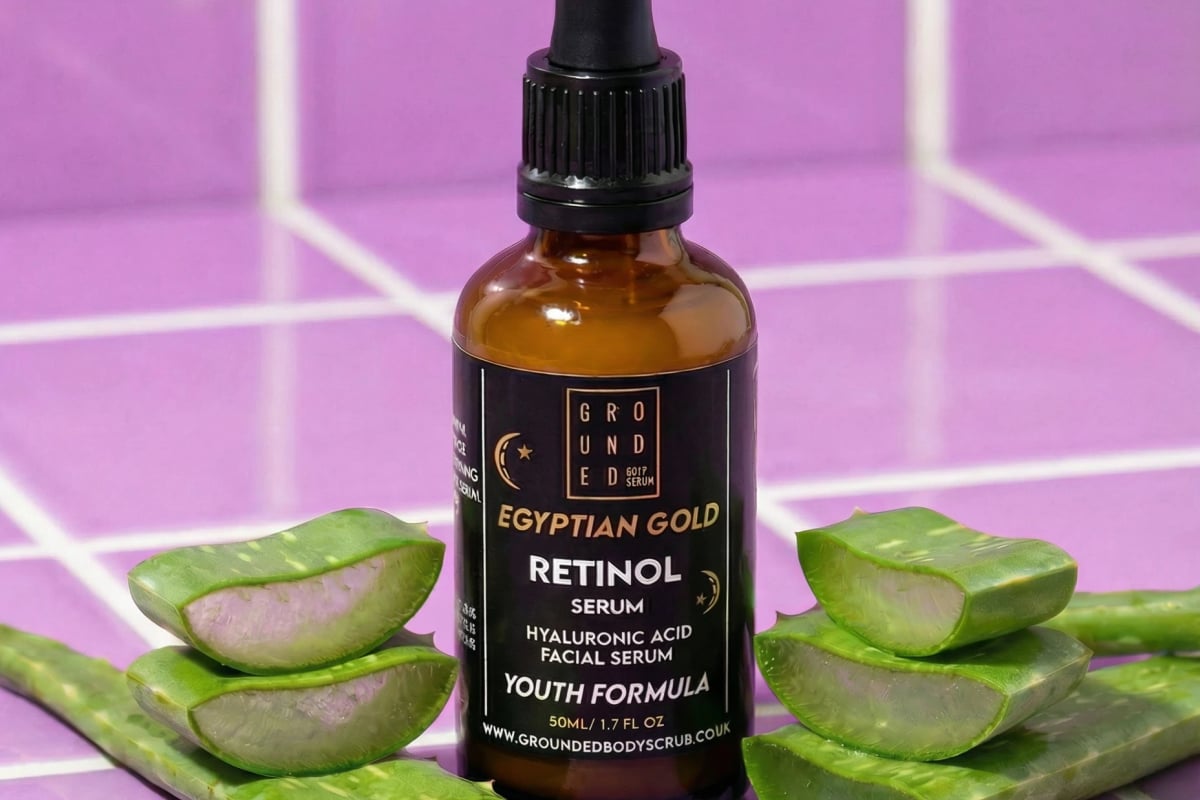
Grounded Body's Egyptian Gold Retinol Serum exemplifies this approach by targeting wrinkles, fine lines, collagen loss, and dryness within a single formulation. This comprehensive solution addresses the specific concerns of dry skin whilst delivering potent anti-ageing benefits through carefully balanced retinol concentration and nourishing supporting ingredients.
Advanced Application Techniques for Enhanced Tolerance
Beyond basic layering, sophisticated application methods can further improve how dry skin responds to retinol serum for dry skin.
Targeted Application Strategy
Rather than applying retinol uniformly across the face, focus on areas of primary concern whilst avoiding particularly dry patches. The orbital area around eyes, where skin is thinnest, may benefit from reduced application or complete avoidance initially.
Nasolabial folds and forehead lines often tolerate retinol well and respond favourably to regular application. The neck and décolletage, frequently overlooked, also benefit from retinol but require gentle introduction due to thinner skin.
Frequency Modulation Based on Seasonal Changes
Dry skin responds differently to environmental conditions throughout the year. During summer months when humidity is higher, many individuals tolerate more frequent retinol application. Conversely, winter's harsh conditions may necessitate reducing frequency or increasing buffering to maintain comfort.
Track your skin's response across seasons and adjust accordingly. This adaptive approach ensures consistent progress without unnecessary irritation.
Understanding Time-Released and Encapsulated Retinol
Recent formulation advances have produced retinol delivery systems specifically designed to minimise irritation whilst maintaining efficacy. Time-released retinol gradually penetrates the skin over several hours, reducing the initial concentration spike that can trigger dryness and sensitivity.
Encapsulated retinol protects the active ingredient until it reaches deeper skin layers, improving stability and reducing surface irritation. These technologies prove particularly beneficial for dry skin types seeking retinol's benefits with gentler introduction.
Current expert analysis highlights how these innovative delivery systems have transformed retinol accessibility for previously intolerant skin types.
Combining Retinol with Other Active Ingredients
While retinol serum for dry skin delivers impressive standalone results, strategic combination with complementary actives amplifies benefits when done correctly.
Safe Pairings for Dry Skin
Niacinamide strengthens the moisture barrier whilst reducing inflammation, making it an excellent companion to retinol. Apply niacinamide serums before or after retinol, allowing each to absorb fully.
Hyaluronic acid provides essential hydration without interfering with retinol's action. Use generous amounts to counteract retinol-induced dryness.
Peptides support collagen synthesis alongside retinol, enhancing anti-ageing outcomes. These ingredients work synergistically without increasing irritation risk.
Combinations to Avoid or Space Out
Certain actives should not coincide with retinol application to prevent excessive irritation:
| Ingredient | Recommendation | Reason |
|---|---|---|
| Vitamin C (L-ascorbic acid) | Use in morning, retinol at night | pH incompatibility and potential irritation |
| AHAs/BHAs | Alternate nights or use AM only | Combined exfoliation too harsh for dry skin |
| Benzoyl peroxide | Separate by 12+ hours | Can deactivate retinol and increase dryness |
Long-Term Results and Realistic Expectations
Understanding the timeline for visible improvements helps maintain realistic expectations whilst committing to consistent use.
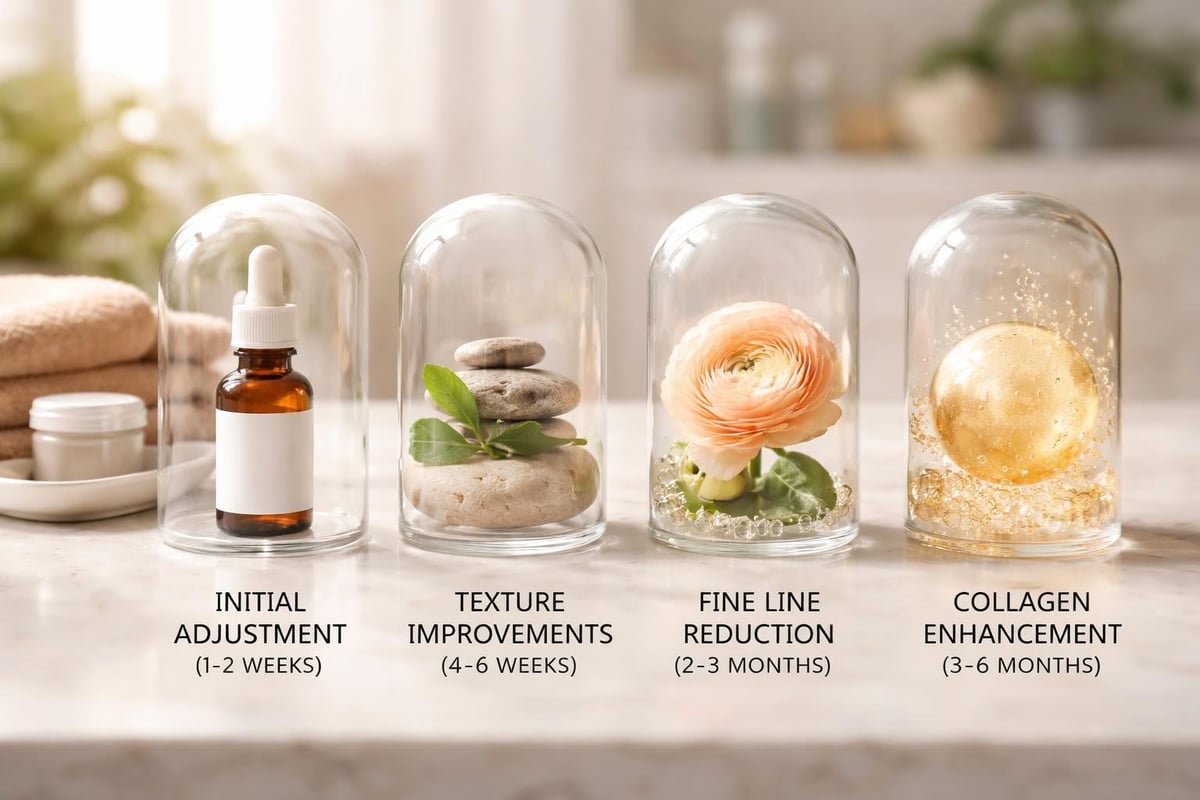
Most users notice initial texture refinement within four to six weeks of regular application. Fine lines begin softening around the eight to twelve-week mark as collagen production increases. Significant improvements in deeper wrinkles and overall skin quality typically emerge after three to six months of dedicated use.
For those concerned about anti-ageing benefits, patience proves essential. Retinol works at the cellular level, creating cumulative improvements that build over time rather than delivering instant transformation.
Dry skin may require slightly longer to show dramatic results compared to oilier complexions, as careful, gradual introduction sometimes slows initial progress. However, once tolerance is established, results match or exceed those achieved by other skin types.
Lifestyle Factors That Support Retinol Efficacy
External product application represents only part of the equation. Internal factors significantly influence how well skin responds to retinol treatment.
Adequate sleep allows skin to complete its natural repair processes, maximising retinol's regenerative effects. Aim for seven to nine hours nightly, as sleep deprivation impairs skin barrier function and reduces treatment efficacy.
Stress management through meditation, exercise, or other relaxation techniques supports hormonal balance and reduces inflammation that can exacerbate dryness. Chronic stress elevates cortisol, which weakens the skin barrier and increases sensitivity.
Nutritional support from antioxidant-rich foods, healthy fats, and adequate protein provides building blocks for collagen synthesis and skin repair. Consider incorporating foods high in vitamins C and E, which work synergistically with topical retinol.
For those interested in comprehensive wellness approaches, clinics like Noori Cosmetic demonstrate how professional aesthetic treatments can complement at-home skincare routines for enhanced results.
Troubleshooting Persistent Dryness Issues
If dryness persists despite careful application and adequate moisturisation, several adjustments may help:
Reduce concentration: Switch to a lower retinol percentage temporarily, then gradually rebuild tolerance.
Increase buffering: Add more moisturising layers before and after retinol application using the sandwich method.
Decrease frequency: Return to alternate-night application or even twice-weekly use until skin stabilises.
Enhance hydration: Incorporate facial oils, sleeping masks, or occlusive barriers to seal in moisture overnight.
Evaluate complementary products: Ensure cleansers, toners, and other skincare items aren't contributing to dryness through harsh surfactants or astringent ingredients.
Sometimes persistent issues indicate the need for professional guidance. Consulting a dermatologist can identify underlying conditions like eczema or dermatitis that require specific treatment before retinol introduction.
Maintaining Progress and Preventing Plateau
Once you've established a successful retinol serum for dry skin routine, maintaining momentum requires ongoing attention and occasional adjustments.
After several months of consistent use at one concentration, skin may plateau as it fully adapts. At this point, gradually increasing retinol strength can reignite progress. Move up incrementally, adding only 0.1-0.25% at a time to avoid overwhelming dry skin.
Periodically reassess your supporting products to ensure they continue meeting your skin's evolving needs. As retinol improves skin health, you may find lighter moisturisers suffice, or conversely, that seasonal changes demand richer formulations.
Continue diligent sun protection indefinitely, as retinol's photosensitising effects persist with ongoing use. This protection prevents sun damage from undermining your anti-ageing efforts.
Regular evaluation through photographs can document subtle improvements that might otherwise go unnoticed. Capture images in consistent lighting monthly to track progress objectively and maintain motivation during the gradual transformation process.
Incorporating retinol serum for dry skin requires thoughtful selection, patient introduction, and strategic hydration support, but the rewards of improved texture, reduced fine lines, and enhanced radiance make the effort worthwhile. When you're ready to explore professionally formulated retinol products designed with natural, nourishing ingredients that respect your skin's unique needs, Grounded Body offers effective solutions tailored to deliver visible results whilst maintaining your skin's essential moisture balance.