
Skin Care Cosmetics Retinol: Your Complete Guide 2026
The quest for youthful, radiant skin has led countless individuals to discover the transformative power of retinol in their daily routines. As one of the most researched and celebrated ingredients in dermatology, skin care cosmetics retinol has earned its reputation through decades of scientific validation and visible results. This vitamin A derivative works at a cellular level to address multiple skin concerns simultaneously, from fine lines and wrinkles to uneven texture and discoloration. Understanding how to harness its potential whilst respecting your skin's unique needs can unlock remarkable improvements in skin health and appearance.
Understanding Retinol's Mechanism of Action
Retinol belongs to the retinoid family, a group of vitamin A derivatives that have revolutionised modern skincare. Scientific American explains how retinol transforms skin at a molecular level, offering fascinating insights into its biological effects.
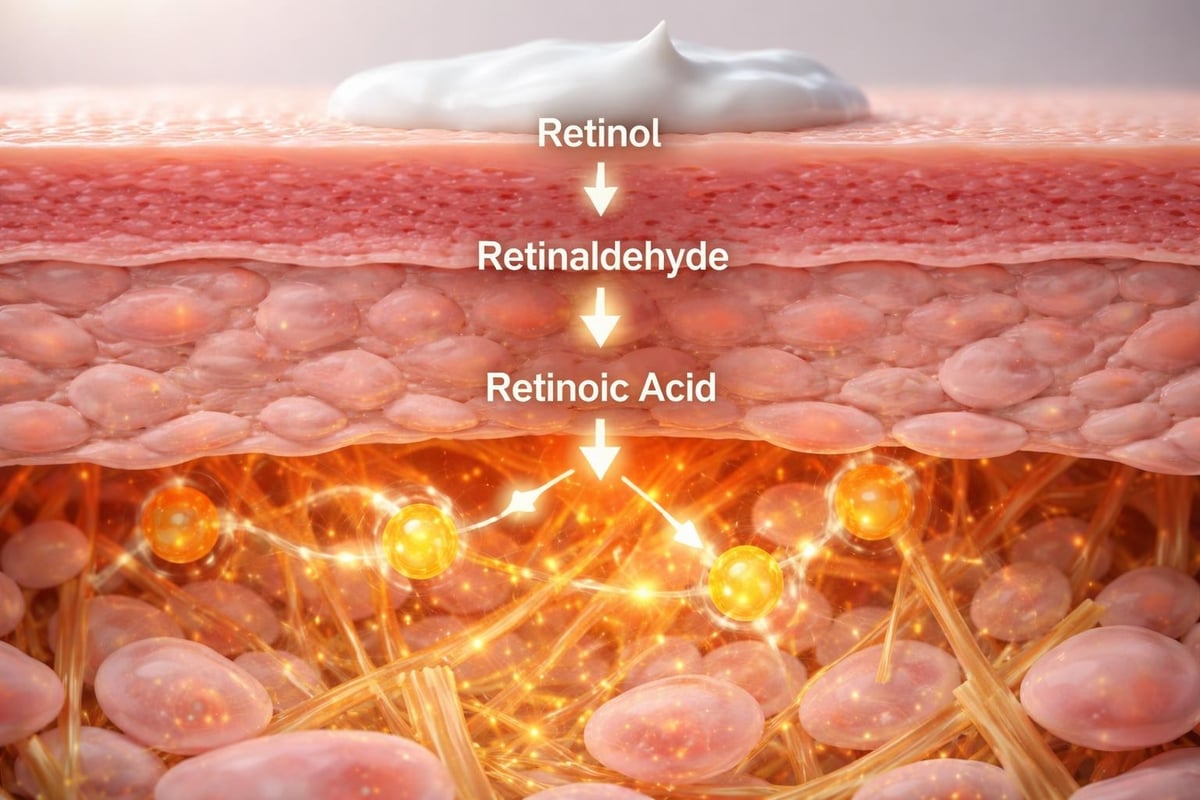
When applied topically, retinol undergoes conversion processes within skin cells. The skin converts retinol into retinoic acid, the active form that binds to specific receptors in cells. These receptors then trigger various beneficial responses throughout the skin layers.
The Cellular Benefits
The magic of skin care cosmetics retinol lies in its multi-faceted approach to skin rejuvenation:
- Accelerated cell turnover - promoting fresh, healthy skin cells to surface more rapidly
- Collagen stimulation - encouraging the production of structural proteins that maintain firmness
- Melanin regulation - helping to fade hyperpigmentation and even out skin tone
- Pore refinement - reducing the appearance of enlarged pores through improved cellular function
- Antioxidant protection - defending against environmental damage and free radicals
These mechanisms work synergistically to create visible improvements across multiple skin concerns. The compound essentially reprogrammes skin cells to function more like younger, healthier versions of themselves.
Benefits Across Different Skin Concerns
Anti-Ageing Properties
The most celebrated application of skin care cosmetics retinol centres on its remarkable anti-ageing capabilities. Regular use stimulates fibroblast activity, the cells responsible for producing collagen and elastin. As we age, collagen production naturally declines by approximately 1% annually after our mid-twenties.
Retinol counteracts this decline by signalling cells to ramp up collagen synthesis. Clinical studies demonstrate that consistent retinol use over twelve weeks can significantly reduce the appearance of fine lines and wrinkles. The ingredient also improves skin thickness and elasticity, creating a more youthful texture.
| Ageing Concern | Retinol's Action | Expected Timeline |
|---|---|---|
| Fine lines | Stimulates collagen production | 8-12 weeks |
| Deep wrinkles | Increases skin thickness | 12-24 weeks |
| Loss of firmness | Boosts elastin synthesis | 12-16 weeks |
| Skin laxity | Improves cellular structure | 16-24 weeks |
Texture and Tone Enhancement
Beyond wrinkle reduction, retinol excels at refining skin texture. Those struggling with rough, uneven skin surfaces often notice dramatic improvements. The accelerated cell turnover removes dead skin cells more efficiently, revealing smoother skin underneath.
For individuals dealing with post-inflammatory hyperpigmentation or sun damage, skin care cosmetics retinol offers hope. It interferes with melanin production pathways whilst encouraging pigmented cells to shed more quickly. This dual action creates a more even, luminous complexion over time.
Many people discover retinol's effectiveness for normal skin maintenance and prevention strategies as well.
Acne and Congestion Management
The benefits extend to acne-prone skin as well. Retinol's ability to prevent dead skin cells from clogging pores makes it invaluable for those experiencing breakouts. It also possesses mild anti-inflammatory properties that can calm existing blemishes.
The ingredient helps normalise sebum production and prevents the formation of comedones (blackheads and whiteheads). For comprehensive guidance, understanding retinol's role in acne treatment provides deeper insights into this application.
Selecting the Right Retinol Formulation
Concentration Considerations
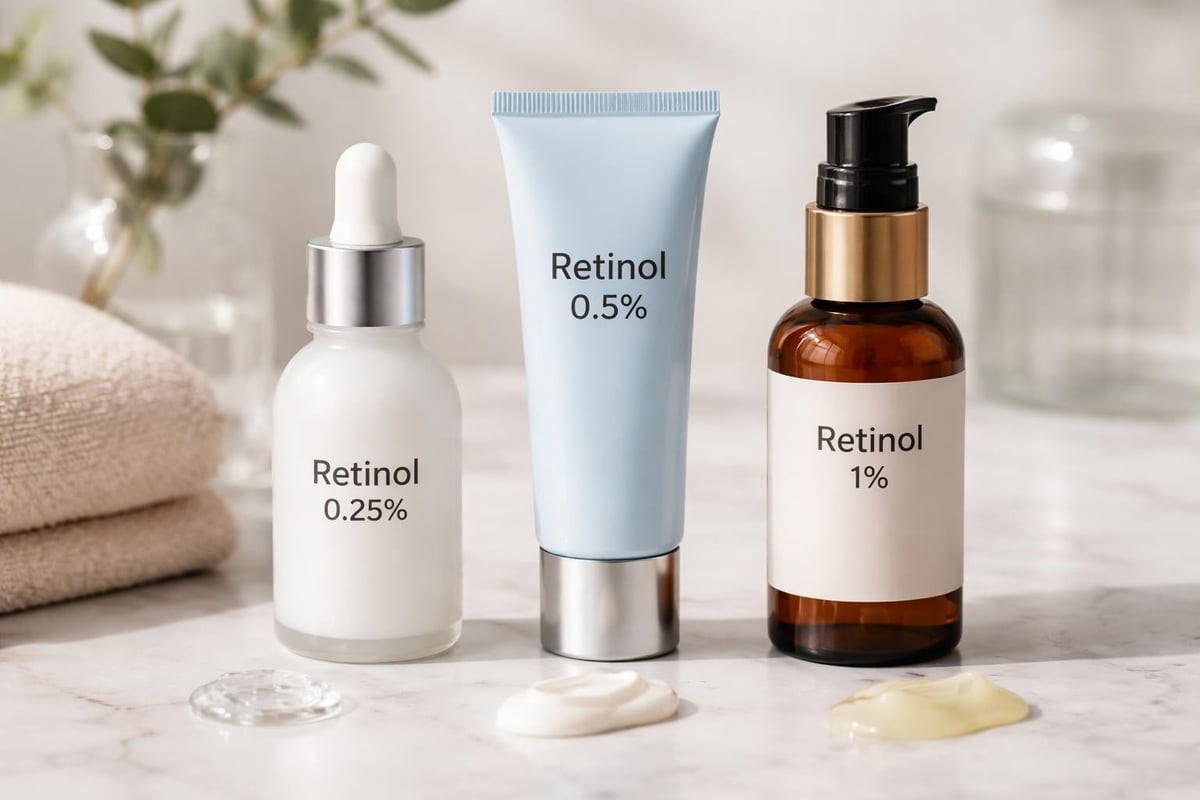
Navigating retinol concentrations requires understanding your skin's tolerance and experience level. Products typically range from 0.25% to 1% retinol for over-the-counter formulations.
Beginner concentrations (0.25% - 0.3%):
- Ideal for retinol-naive skin
- Minimises initial irritation risk
- Allows gradual tolerance building
- Suitable for sensitive skin types
Intermediate concentrations (0.5% - 0.6%):
- For those who've used retinol previously
- Balances efficacy with tolerability
- Appropriate after adapting to lower strengths
- Delivers noticeable results with manageable adjustment
Advanced concentrations (0.75% - 1%):
- Reserved for experienced retinol users
- Maximises anti-ageing benefits
- Requires careful monitoring
- Best introduced after months of lower-strength use
Formulation Types
The delivery system significantly influences how skin care cosmetics retinol performs and how your skin tolerates it.
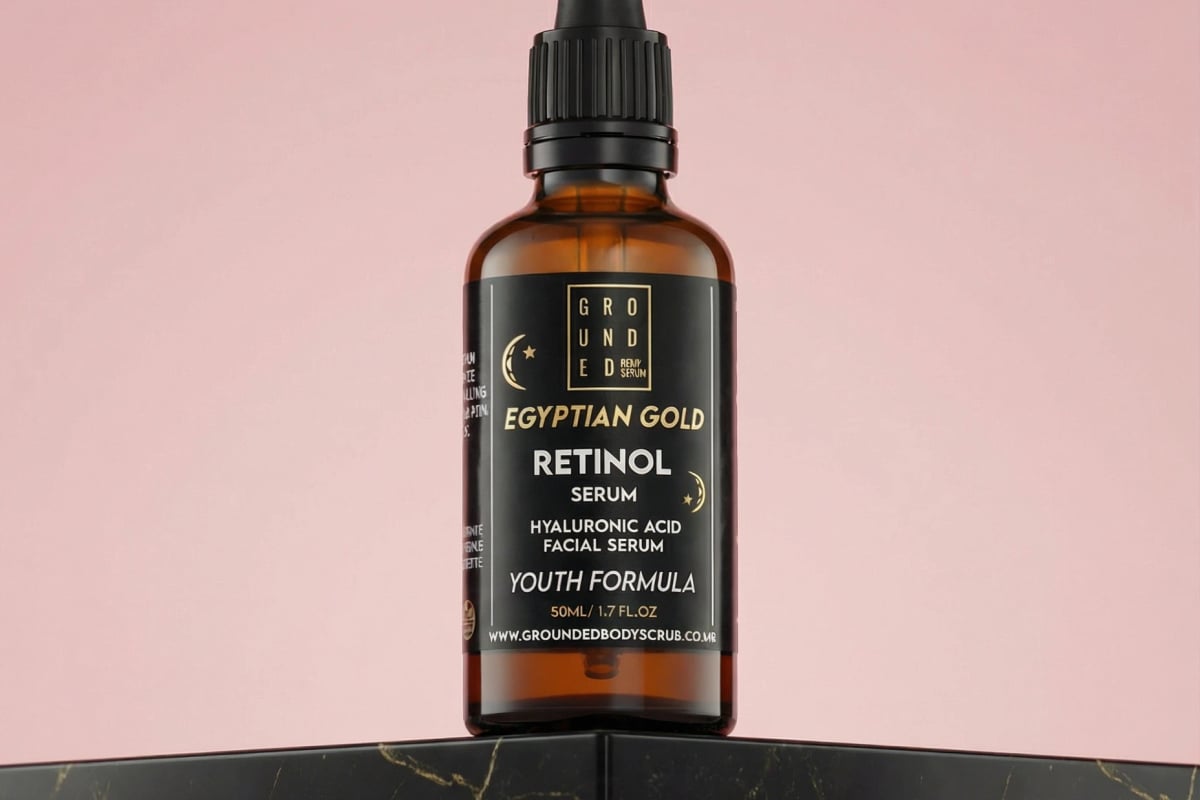
Serums offer lightweight, fast-absorbing textures ideal for layering under moisturisers. They typically deliver higher concentrations of active ingredients with minimal additional ingredients. The Egyptian Gold Retinol Serum represents this category with its targeted approach to wrinkles, fine lines, and collagen support, combining retinol with nourishing natural ingredients.
Creams provide a more emollient base, often better suited for dry or mature skin. The added moisturising components can buffer potential irritation whilst still delivering retinol's benefits. Gels tend to suit oilier skin types, offering a mattifying finish without heavy textures.
Application Protocols and Best Practices
The Gradual Introduction Method
Successful retinol integration depends on patience and strategic application. Dermatologists emphasise careful introduction to maximise benefits whilst minimising discomfort.
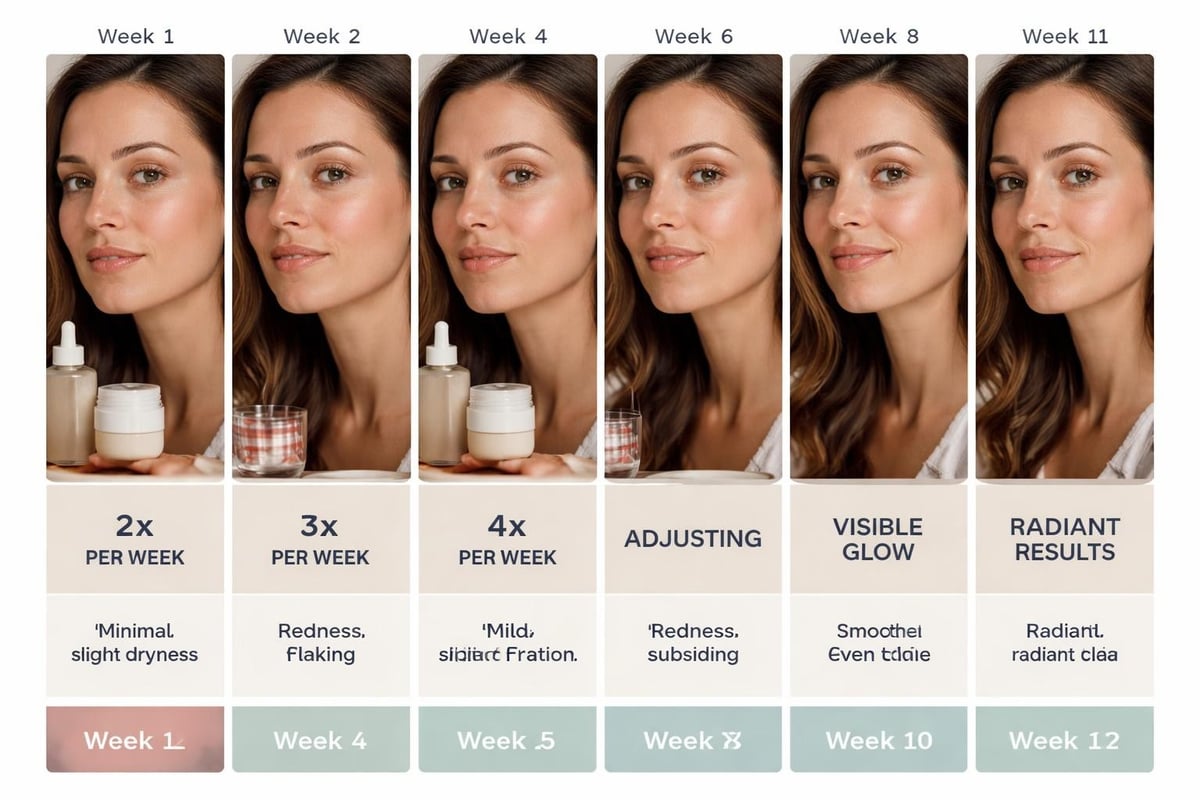
Begin with twice-weekly applications, allowing at least two rest days between uses. Monitor your skin's response carefully during this initial phase. Signs of healthy adaptation include very mild tingling or slight dryness that resolves quickly.
After two weeks of successful twice-weekly use, increase to every other night. Maintain this frequency for another fortnight before potentially advancing to nightly application. Some individuals find their sweet spot at alternate nights indefinitely, which remains perfectly effective.
Proper Application Technique
- Cleanse thoroughly with a gentle, pH-balanced cleanser
- Pat skin completely dry (crucial, as damp skin increases penetration and irritation risk)
- Wait 15-20 minutes to ensure skin is fully dry
- Apply a pea-sized amount of retinol product
- Gently spread across face, avoiding eye area and lips
- Wait another 10-15 minutes before applying moisturiser
- Use a rich, barrier-supporting moisturiser to seal in benefits
The waiting periods might seem tedious, but they significantly reduce irritation likelihood whilst maintaining efficacy. Apply skin care cosmetics retinol only in evening routines, as sunlight degrades the ingredient and increases photosensitivity.
Supporting Your Skin Barrier
Successful retinol use requires robust barrier support. Incorporate these barrier-strengthening practices:
- Use ceramide-rich moisturisers to reinforce skin's protective layers
- Apply hydrating serums with hyaluronic acid before retinol
- Consider slug-like occlusive layers on particularly dry areas
- Avoid other potent actives (AHAs, BHAs, vitamin C) on retinol nights initially
- Never combine with harsh physical exfoliants
For those experiencing dryness, specialised guidance for retinol with dry skin offers targeted strategies.
Managing Potential Side Effects
Understanding Retinisation
The adjustment period when beginning skin care cosmetics retinol, often called "retinisation," involves temporary side effects as skin adapts. Common experiences include:
- Mild redness or flushing
- Flaking or peeling skin
- Increased sensitivity
- Temporary breakouts (purging)
- Slight stinging sensation
These effects typically peak around weeks two to four, then gradually subside. They represent normal adaptation rather than allergic reactions. However, severe burning, widespread rashes, or persistent discomfort warrant discontinuation and professional consultation.
Prevention and Mitigation Strategies
| Issue | Prevention Strategy | Mitigation Approach |
|---|---|---|
| Excessive dryness | Buffer with moisturiser before retinol | Increase moisturiser frequency, reduce retinol frequency |
| Peeling | Start with lower concentration | Use gentle hydrating masks, avoid picking |
| Redness | Apply to completely dry skin | Take retinol breaks, use soothing ingredients |
| Sensitivity | Slow introduction schedule | Sandwich method (moisturiser-retinol-moisturiser) |
Stanford dermatologists provide evidence-based perspectives on managing these common challenges effectively.
For severe reactions, exploring how to identify and treat retinol burn becomes essential knowledge.
Complementary Ingredients and Combinations
Synergistic Partnerships
Certain ingredients enhance skin care cosmetics retinol's effectiveness when used strategically:
Niacinamide offers complementary benefits including barrier strengthening and inflammation reduction. It can calm retinol-induced irritation whilst providing its own brightening and pore-refining effects. These ingredients work well together when properly formulated.
Hyaluronic acid provides essential hydration that supports retinol use. Apply it before retinol to create a hydrated base that improves tolerance. This humectant draws moisture into skin, counteracting retinol's potential drying effects.
Peptides work alongside retinol to maximise collagen production. Whilst retinol signals cells to produce more collagen, peptides provide building blocks and additional stimulation signals. Morning peptide serums complement evening retinol routines perfectly.
Ingredients to Separate
Certain combinations require careful timing or complete avoidance:
- Vitamin C - Use in morning routines only, as combining with retinol can cause irritation and reduce stability
- AHAs/BHAs - Separate by at least 24 hours initially; experienced users might tolerate alternate nights
- Benzoyl peroxide - Can oxidise and deactivate retinol; use in morning if necessary
- Physical exfoliants - Avoid entirely on retinol days to prevent over-exfoliation
Understanding the broader context of retinol in beauty helps contextualise these combination principles.
Special Considerations and Precautions
Pregnancy and Breastfeeding
Healthcare professionals universally recommend avoiding retinol and all retinoids during pregnancy and breastfeeding. Whilst topical absorption remains minimal, the theoretical risks to foetal development necessitate complete avoidance.
Natural alternatives like bakuchiol offer some similar benefits without the contraindications. This plant-derived ingredient shows promise in studies for improving fine lines and pigmentation, though research continues regarding its full efficacy profile.
Sun Protection Requirements
Daily broad-spectrum SPF becomes absolutely non-negotiable when using skin care cosmetics retinol. The ingredient increases photosensitivity, making skin more vulnerable to UV damage. Time magazine's expert analysis highlights this critical safety consideration.
Apply SPF 30 or higher every morning, reapplying every two hours when outdoors. Physical sunscreens containing zinc oxide or titanium dioxide offer stable, reliable protection. Chemical filters work equally well provided they're reapplied diligently.
Retinol use without adequate sun protection not only negates anti-ageing benefits but can accelerate photoageing. This creates a frustrating paradox where your corrective ingredient worsens the problems you're trying to solve.
Seasonal Adjustments
Many individuals find their retinol tolerance fluctuates with seasons. Winter's harsh conditions and lower humidity can necessitate reduced frequency or concentration. The skin barrier faces additional environmental stressors during cold months.
Consider scaling back to alternate nights during winter, or incorporating more intensive moisturising layers. Summer heat might improve tolerance for some, though increased sun exposure demands vigilant SPF application.
Long-Term Use and Maintenance
Establishing Your Sustainable Routine
Once your skin fully adapts to skin care cosmetics retinol, maintaining consistent use delivers cumulative benefits. Unlike some ingredients that plateau in effectiveness, retinol continues providing improvements with long-term application.
Most users settle into a comfortable rhythm after three to six months. This might involve nightly application, alternate nights, or a personalised schedule that balances efficacy with skin comfort. There's no universal "correct" frequency; your skin's response dictates the optimal approach.
Cycling and Breaks
Some practitioners advocate occasional retinol breaks, particularly during stressful periods, illness, or intensive travel. These pauses allow skin recovery without significantly compromising long-term results. A one-to-two-week break every few months can refresh tolerance.
Others maintain year-round consistency, adjusting concentration or frequency as needed. Both approaches work provided they align with your skin's signals and lifestyle demands.
Realistic Expectations and Timelines
Understanding realistic timeframes prevents premature discontinuation. Visible improvements follow this general pattern:
- 4-6 weeks - Texture refinement, initial glow enhancement
- 8-12 weeks - Fine line softening, improved tone evenness
- 12-16 weeks - Noticeable wrinkle reduction, firmness increase
- 6+ months - Significant overall improvement, textural transformation
- 12+ months - Maximised benefits, maintained with consistent use
Patience proves essential. The profound cellular changes that deliver dramatic results require time to manifest visibly. Photographs taken monthly help track progress that might otherwise go unnoticed in daily mirror checks.
Professional Guidance and Personalisation
When to Consult Professionals
Certain situations warrant professional dermatological consultation:
- Persistent severe irritation beyond normal adjustment
- Unexpected skin reactions or rashes
- Uncertain about concentration or formulation selection
- Managing skin conditions alongside retinol use
- Considering prescription-strength retinoids
- Pregnancy or medical contraindications
Professionals can assess your unique skin characteristics and recommend tailored protocols. They might suggest prescription alternatives like tretinoin for enhanced results under medical supervision.
Prescription vs Over-the-Counter
Over-the-counter retinol products provide accessible, effective options for most users. They deliver excellent results with proper use and patience. Prescription retinoids offer higher potencies and faster results but require professional oversight.
The choice depends on your goals, timeline, skin sensitivity, and access to dermatological care. Many individuals achieve their desired outcomes with carefully selected over-the-counter skin care cosmetics retinol products, particularly when sourced from reputable providers focused on quality natural ingredients.
Product Quality and Ingredient Integrity
Packaging Considerations
Retinol's stability depends heavily on packaging. Light and air exposure degrade the ingredient rapidly, reducing efficacy. Quality products use opaque, airless pump bottles or tubes that minimise oxidation.
Avoid jars requiring finger dipping, as repeated air exposure compromises the formula. Clear bottles, whilst aesthetically appealing, allow light degradation. These packaging choices significantly impact whether you receive the benefits you're investing in.
Natural Ingredient Synergies
Products combining skin care cosmetics retinol with complementary natural ingredients often provide enhanced benefits and improved tolerance. Antioxidants like vitamin E stabilise retinol whilst offering additional protective effects. Soothing botanicals such as chamomile or green tea can buffer irritation.
Natural oils rich in fatty acids support barrier function during the adjustment period. These thoughtful formulations recognise that isolated actives rarely perform as well as intelligently combined ingredient systems. Grounded Body exemplifies this philosophy, emphasising natural ingredient synergies in their skincare formulations.
Storage and Shelf Life
Proper storage extends your retinol product's effectiveness. Store in cool, dark locations away from bathroom humidity when possible. Refrigeration isn't necessary but can extend stability for some formulations.
Pay attention to expiration dates and product changes. If your retinol serum changes colour (particularly yellowing or browning), develops unusual odours, or separates, it's likely oxidised and should be replaced. Most retinol products maintain potency for 6-12 months after opening when stored correctly.
Incorporating skin care cosmetics retinol into your routine represents a powerful investment in long-term skin health and appearance. Success requires patience, consistency, and attention to your skin's individual responses. When sourced from quality providers and used thoughtfully, retinol delivers transformative results that few other ingredients can match. Grounded Body offers carefully formulated retinol solutions alongside their range of natural skincare products, supporting your journey toward healthier, more radiant skin with ingredients you can trust. Explore their complete skincare collection to discover how natural formulations can elevate your entire routine.