
Retinol and Niacinamide Together: The Complete Guide
The skincare industry has witnessed a remarkable evolution in recent years, with ingredient combinations becoming increasingly sophisticated. Among the most discussed pairings in professional skincare is the use of retinol and niacinamide together. Whilst these two powerhouse ingredients were once thought to be incompatible, modern dermatological research has revealed that they can work harmoniously to deliver exceptional results. Understanding how to properly combine these ingredients can unlock significant benefits for your complexion, from improved texture to reduced visible signs of ageing.
Understanding the Science Behind Each Ingredient
Before exploring how these ingredients work together, it's essential to understand their individual properties and mechanisms.
What Retinol Does for Your Skin
Retinol, a derivative of vitamin A, stands as one of the most extensively researched anti-ageing ingredients in skincare science. This powerful compound works by accelerating cellular turnover, stimulating collagen production, and regulating sebum production. When applied topically, retinol penetrates the skin's surface layers to encourage the development of fresh, healthy skin cells.
The compound's efficacy in addressing wrinkles, fine lines, and loss of collagen has made it a staple in professional skincare formulations. Retinol also helps to fade hyperpigmentation, refine skin texture, and minimise the appearance of enlarged pores.
Key benefits of retinol include:
- Reduction in fine lines and wrinkles
- Improved skin firmness and elasticity
- Enhanced cellular regeneration
- Decreased hyperpigmentation
- Refined pore appearance
The Protective Power of Niacinamide
Niacinamide, also known as vitamin B3, functions as a multi-talented ingredient with remarkable versatility. This water-soluble vitamin strengthens the skin's natural barrier, regulates oil production, and provides significant anti-inflammatory benefits. Unlike retinol, niacinamide is exceptionally well-tolerated across all skin types, including sensitive and reactive complexions.
According to research on niacinamide's benefits, this ingredient enhances the production of ceramides and other essential lipids that maintain skin barrier function. It also reduces transepidermal water loss, keeping skin hydrated and resilient.

Why Retinol and Niacinamide Together Create Powerful Results
The combination of retinol and niacinamide together represents a strategic approach to comprehensive skincare. These ingredients complement each other's strengths whilst mitigating potential drawbacks.
Synergistic Benefits for Skin Health
When paired correctly, retinol and niacinamide together deliver enhanced results that surpass what either ingredient achieves alone. Niacinamide's anti-inflammatory properties help counteract the potential irritation that retinol can cause, particularly during the initial adjustment period. This protective effect allows many individuals to tolerate higher concentrations of retinol than they might otherwise manage.
The barrier-strengthening properties of niacinamide work alongside retinol's cellular renewal benefits to create a dual-action approach. Whilst retinol encourages the development of fresh skin cells, niacinamide ensures the skin barrier remains strong and hydrated. This partnership promotes optimal skin health from multiple angles.
| Ingredient | Primary Function | Skin Concerns Addressed | Tolerance Level |
|---|---|---|---|
| Retinol | Cellular renewal | Fine lines, wrinkles, texture | Moderate to low |
| Niacinamide | Barrier protection | Inflammation, hydration, pores | High |
| Combined | Comprehensive improvement | Ageing, texture, barrier health | Enhanced |
Addressing Historical Misconceptions
Earlier skincare guidance suggested avoiding the use of retinol and niacinamide together, based on outdated research suggesting pH incompatibility. However, as expert analysis confirms, modern formulations have resolved these concerns. Current dermatological evidence supports their combined use, with many professionals actively recommending this pairing.
The misconception arose from studies using pure niacin rather than niacinamide, combined with unstable retinol formulations. Today's advanced skincare formulations employ stabilised retinol and properly buffered niacinamide, eliminating previous compatibility issues.
How to Incorporate Both Ingredients Into Your Routine
Successfully using retinol and niacinamide together requires strategic application and proper timing.
Application Methods and Sequencing
- Start with a thorough cleanse using a gentle, pH-balanced cleanser
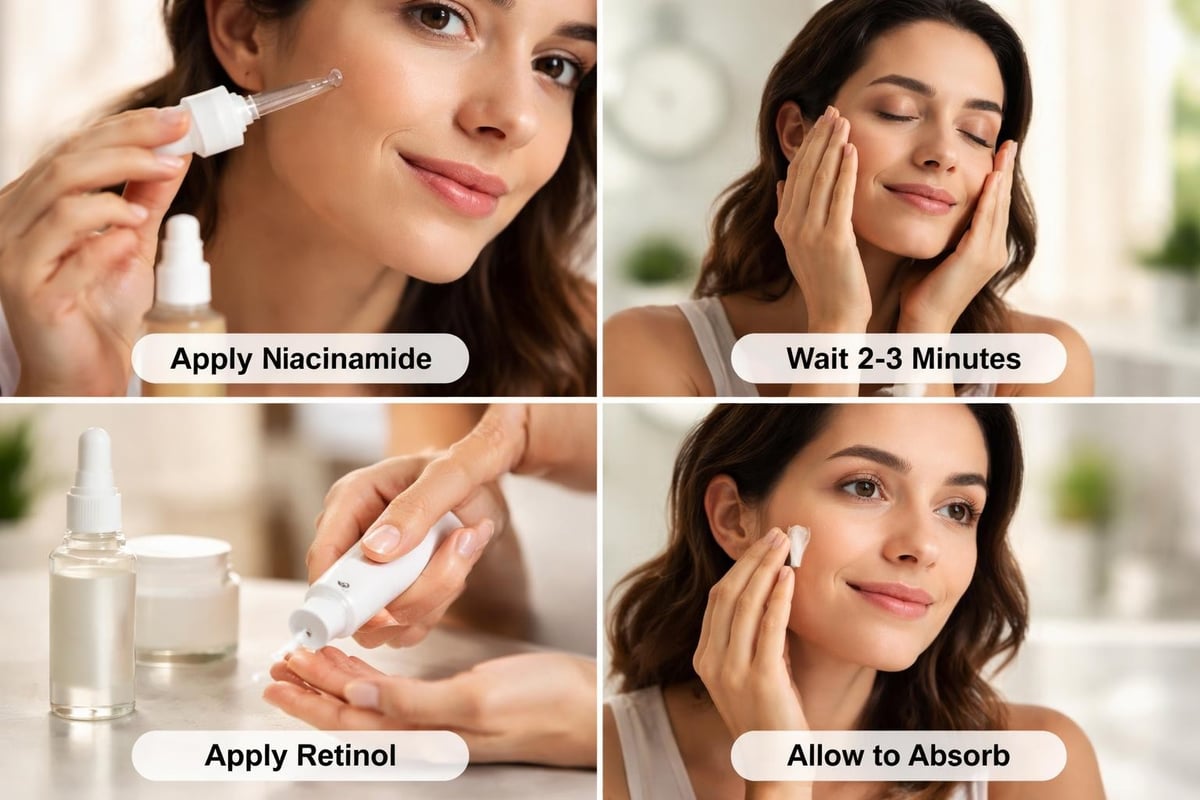
- Apply niacinamide serum to damp skin, allowing complete absorption
- Wait 5-10 minutes for the niacinamide to fully penetrate
- Apply retinol treatment in a thin, even layer
- Follow with moisturiser to seal in both active ingredients
- Use sun protection the following morning without exception
This sequential application allows each ingredient to work at optimal efficiency. The waiting period between applications ensures proper absorption and minimises the risk of pilling or reduced efficacy.
For those new to active ingredients, an alternative approach involves using niacinamide in the morning and retinol at night. This method distributes the ingredients across different application times, reducing the likelihood of sensitivity whilst still providing comprehensive skincare benefits.
Starting Slowly and Building Tolerance
Introduction timeline for beginners:
- Week 1-2: Retinol once weekly, niacinamide daily
- Week 3-4: Retinol twice weekly, niacinamide daily
- Week 5-8: Retinol three times weekly, niacinamide daily
- Week 9+: Retinol four to six times weekly, niacinamide daily
This gradual approach allows your skin to build tolerance whilst monitoring for any adverse reactions. Individual skin types respond differently, so adjusting this timeline based on your skin's feedback remains essential.
Choosing the Right Product Concentrations
The effectiveness of retinol and niacinamide together depends significantly on selecting appropriate concentrations for your skin type and concerns.
Optimal Concentration Ranges
For retinol, beginners should start with concentrations between 0.25% and 0.5%, gradually increasing to 1% as tolerance develops. Advanced users may progress to concentrations of 1.5% or higher under professional guidance. Products designed for targeted concerns often feature carefully calibrated retinol levels to maximise results whilst minimising irritation.
Niacinamide proves effective at concentrations between 2% and 10%. Most individuals achieve excellent results with 5% formulations, which provide substantial benefits without overwhelming the skin. Higher concentrations don't necessarily deliver superior results and may increase the risk of mild flushing in sensitive individuals.
Professional Formulations and Natural Ingredients
When selecting products, prioritise formulations that incorporate complementary supporting ingredients. Hyaluronic acid, ceramides, and squalane enhance the efficacy of both retinol and niacinamide whilst providing additional hydration and barrier support. Natural ingredient-focused brands often combine these actives with botanical extracts that offer antioxidant protection and soothing properties.
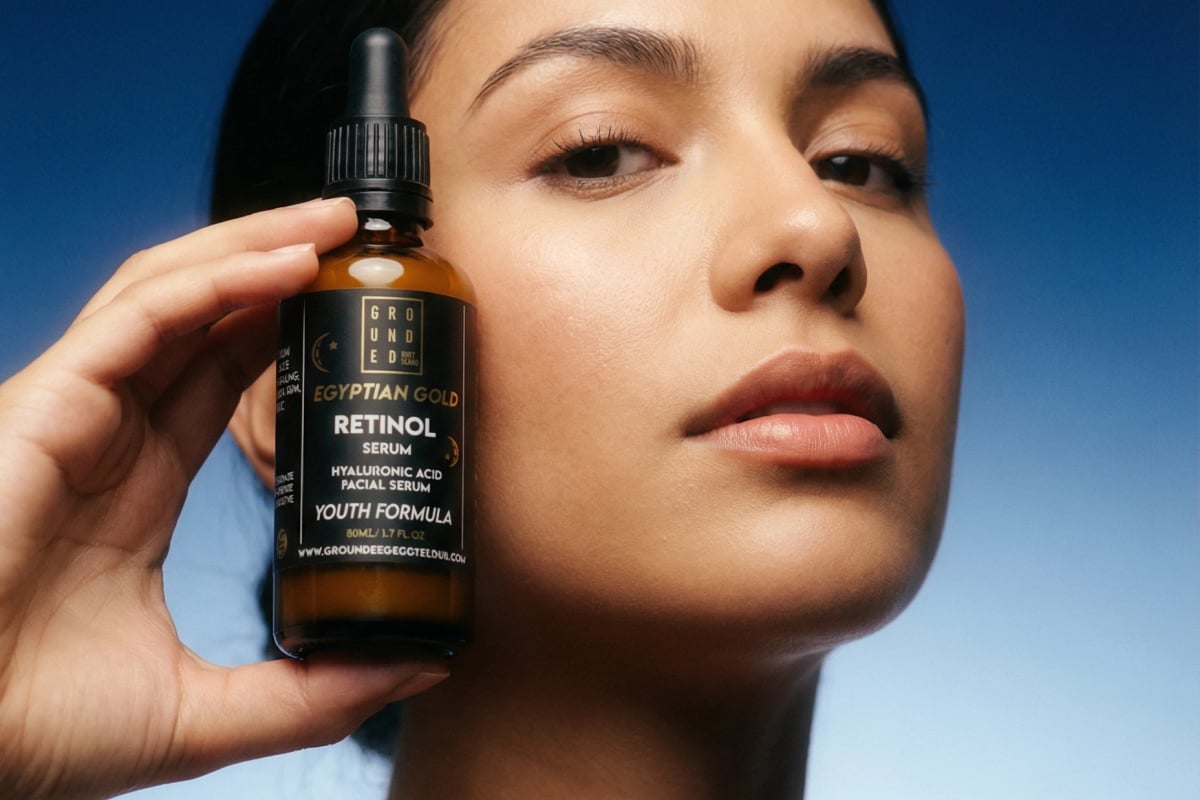
The Egyptian Gold Retinol Serum exemplifies how thoughtfully formulated retinol products can target wrinkles, fine lines, loss of collagen, and dryness through carefully selected ingredients. Such formulations demonstrate that natural and effective needn't be mutually exclusive approaches.
Managing Potential Side Effects and Sensitivities
Even when using retinol and niacinamide together correctly, some individuals may experience temporary adjustment symptoms.
Common Initial Reactions
During the first few weeks of use, you might notice mild dryness, slight redness, or temporary flaking. These responses typically indicate that your skin is adapting to the increased cellular turnover that retinol promotes. Niacinamide helps minimise these effects, but they may still occur initially.
Signs that require adjustment:
- Persistent burning or stinging sensation
- Excessive dryness that doesn't improve with moisturiser
- Severe redness lasting more than 24 hours
- Peeling that interferes with makeup application
- Development of new breakouts after the first month
If you experience any of these symptoms, reduce application frequency or temporarily discontinue retinol whilst continuing with niacinamide. Once your skin barrier recovers, you can reintroduce retinol at a lower concentration or reduced frequency.
Supporting Your Skin Barrier
Maintaining a robust skin barrier proves crucial when using active ingredients. According to dermatological guidance, incorporating barrier-supporting ingredients alongside retinol and niacinamide optimises results and minimises sensitivity.
Focus on products containing ceramides, cholesterol, and fatty acids to reinforce the lipid barrier. Avoid harsh cleansers, physical exfoliants, and alcohol-based toners whilst your skin adjusts to these powerful actives.
Maximising Long-Term Results
Achieving transformative results with retinol and niacinamide together requires patience, consistency, and realistic expectations.
Timeline for Visible Improvements
| Timeframe | Expected Changes | What's Happening |
|---|---|---|
| 2-4 weeks | Improved texture, enhanced radiance | Surface cell turnover accelerates |
| 6-8 weeks | Reduced pore appearance, evening tone | Barrier function strengthens |
| 12-16 weeks | Diminished fine lines, firmer skin | Collagen production increases |
| 6+ months | Significant anti-ageing improvements | Comprehensive cellular regeneration |
Consistency matters more than intensity when working with these ingredients. Using retinol and niacinamide together three to four times weekly with proper application delivers superior long-term results compared to sporadic use at higher frequencies.
Complementary Skincare Practices
Essential practices for optimal results:
- Apply broad-spectrum SPF 30 or higher daily
- Maintain adequate hydration through water intake
- Use gentle, non-stripping cleansing methods
- Incorporate antioxidant serums for daytime protection
- Ensure sufficient sleep for cellular repair
These foundational practices create an environment where retinol and niacinamide can perform at their peak effectiveness. Professional skincare guidance emphasises that active ingredients work best within a comprehensive routine that addresses all aspects of skin health.
Tailoring the Combination to Different Skin Types
Understanding how retinol and niacinamide together affect various skin types enables personalised application strategies.
For Oily and Combination Skin
These skin types generally tolerate retinol well due to naturally thicker barrier function. The sebum-regulating properties of both ingredients work synergistically to reduce excess oil production and minimise enlarged pores. Apply products to slightly damp skin for enhanced penetration, and use lightweight, gel-based moisturisers to avoid overwhelming the complexion.
For Dry and Sensitive Skin
Individuals with compromised barriers benefit enormously from the protective qualities niacinamide provides. Start with lower retinol concentrations (0.25% to 0.3%) and apply over a thin layer of moisturiser to buffer potential irritation. This "sandwich method" allows gradual acclimation whilst maintaining barrier integrity.
As research demonstrates, niacinamide's anti-inflammatory properties prove particularly valuable for sensitive skin types attempting to incorporate retinol. The combination allows access to retinol's transformative benefits with significantly reduced risk of adverse reactions.
For Mature and Sun-Damaged Skin
Mature complexions often show the most dramatic improvements from retinol and niacinamide together. These skin types can typically progress to higher retinol concentrations more quickly, as cellular turnover has naturally slowed with age. Focus on consistent application rather than aggressive concentration increases, and pair with peptide-rich moisturisers to support collagen synthesis.
Advanced Combination Strategies
Once your skin has fully adjusted to basic retinol and niacinamide use, you might explore more sophisticated application approaches.
Layering With Other Active Ingredients
Certain ingredients enhance the effects of retinol and niacinamide together when incorporated thoughtfully:
Morning routine additions:
- Vitamin C (wait 30 minutes before niacinamide)
- Hyaluronic acid (apply before niacinamide)
- Antioxidant serums (layer under SPF)
Evening routine additions:
- Peptide complexes (apply after retinol)
- Ceramide treatments (use as final step)
- Bakuchiol (gentle retinol alternative for sensitive nights)
Avoid combining retinol with other exfoliating acids (AHAs, BHAs) in the same application, as this significantly increases irritation risk. If you wish to use chemical exfoliants, apply them on alternate evenings or use them exclusively in your morning routine.
Seasonal Adjustments
Your skin's needs fluctuate throughout the year, requiring modifications to your retinol and niacinamide routine. During winter months, many individuals reduce retinol frequency whilst maintaining consistent niacinamide use to combat increased dryness and environmental stress. Summer routines might involve lighter formulations and heightened sun protection awareness.
According to professional skincare experts, adjusting your routine based on environmental factors and skin feedback demonstrates sophisticated skincare knowledge rather than inconsistency.
The Role of Professional Guidance
Whilst many individuals successfully use retinol and niacinamide together through careful self-education, professional consultation provides valuable personalisation.
When to Seek Expert Advice
Consider consulting a dermatologist or qualified skincare professional if you experience persistent irritation, develop unexpected breakouts, or see no improvements after 16 weeks of consistent use. Professional assessment can identify underlying concerns that may affect ingredient tolerance or reveal whether alternative formulations would better suit your skin's unique needs.
Individuals with specific skin conditions such as rosacea, eczema, or active acne should seek professional guidance before introducing these actives. Whilst niacinamide generally benefits these conditions, retinol requires careful consideration and potentially modified application protocols.
Prescription Versus Over-the-Counter Options
Over-the-counter retinol products provide excellent results for most individuals seeking general anti-ageing benefits and skin quality improvements. These formulations allow gradual tolerance building with manageable adjustment periods. Professional-strength treatments offer higher concentrations and may deliver faster results, but they also carry increased risk of significant irritation requiring professional monitoring.
For comprehensive anti-ageing skincare approaches, many skincare enthusiasts find that thoughtfully formulated retail products deliver exceptional results when used consistently and correctly.
Common Mistakes to Avoid
Understanding potential pitfalls helps you maximise the benefits of using retinol and niacinamide together.
Frequent errors that compromise results:
- Applying retinol during daylight hours without immediate SPF use
- Using excessive quantities (more product doesn't accelerate results)
- Combining with too many other active ingredients simultaneously
- Expecting overnight transformation (visible changes require patience)
- Neglecting neck and décolletage (these areas benefit equally)
- Inconsistent application schedules (sporadic use prevents optimal results)
Many individuals also make the mistake of abandoning their routine during the adjustment period. The initial weeks often bring temporary effects that resolve as skin adapts. Persistence through this phase, combined with appropriate modifications if needed, leads to the transformative results that make retinol and niacinamide together such a celebrated combination.
Special Considerations for Different Life Stages
Your skincare needs evolve throughout different life phases, affecting how you approach retinol and niacinamide use.
During Pregnancy and Breastfeeding
Pregnant and nursing individuals should avoid retinol entirely, as vitamin A derivatives carry potential risks during these periods. However, niacinamide remains perfectly safe and beneficial throughout pregnancy and breastfeeding. This ingredient alone can address many skincare concerns, including hormonal pigmentation and barrier disruption, without any safety concerns.
For Younger Skin Starting Prevention
Individuals in their twenties and early thirties often incorporate retinol and niacinamide together as preventative measures rather than corrective treatments. Lower concentrations (0.25% to 0.5% retinol) used two to three times weekly provide excellent prevention without overwhelming young skin. This proactive approach helps maintain collagen levels and prevents premature visible ageing signs.
For Post-Menopausal Skin
Hormonal changes during menopause significantly affect skin thickness, hydration, and collagen density. Retinol and niacinamide together address multiple menopausal skin concerns simultaneously. Higher retinol concentrations often prove appropriate, paired with rich, nourishing formulations that combat increased dryness and support diminished barrier function.
Successfully combining retinol and niacinamide together creates a powerful skincare approach that addresses ageing, texture, barrier health, and overall skin quality. By understanding proper application methods, choosing appropriate concentrations, and maintaining consistency, you can achieve remarkable improvements in your complexion's appearance and health. If you're ready to experience the transformative benefits of thoughtfully formulated retinol products combined with comprehensive skincare knowledge, explore the natural, effective options at Grounded Body designed to support your skin's journey towards optimal health and radiance.