
Retinol for Dry Skin: Complete Guide to Safe Use
Navigating the world of retinol when you have dry skin can feel like walking a tightrope. This powerhouse ingredient promises to reduce fine lines, boost collagen production, and improve skin texture, yet it's notorious for causing dryness and irritation. The good news is that with the right approach, even those with naturally parched skin can harness retinol's anti-ageing benefits without compromising their skin barrier. Understanding how to integrate this ingredient into your routine whilst maintaining optimal hydration is the key to achieving radiant, youthful skin.
Understanding Retinol and Its Effects on Dry Skin
Retinol belongs to the retinoid family, a group of vitamin A derivatives that accelerate cell turnover and stimulate collagen production. When applied to the skin, retinol works by binding to specific receptors in skin cells, triggering a cascade of beneficial changes. However, this accelerated cellular activity comes with a catch: it can temporarily disrupt the skin's natural barrier function.
For those with dry skin, this disruption poses a particular challenge. The skin barrier, composed of lipids and proteins, acts as a protective shield against moisture loss and environmental aggressors. When retinol speeds up cell turnover, it can compromise this barrier before new, healthy cells have fully matured. The result is often increased transepidermal water loss, leading to flaking, tightness, and irritation.
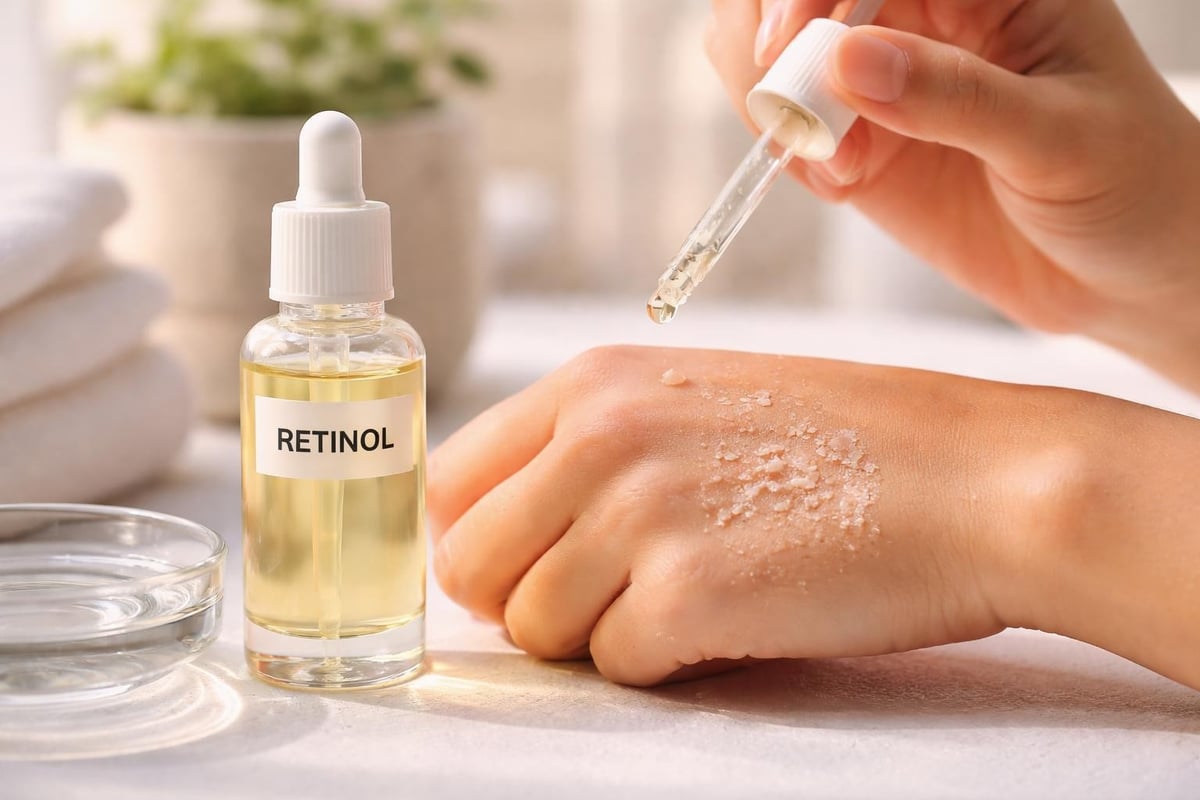
The Science Behind Retinol-Induced Dryness
The drying effect of retinol isn't simply a side effect; it's an integral part of how the ingredient works. As retinol influences cellular processes, it temporarily reduces the skin's natural oil production whilst increasing cell shedding. This double action can leave dry skin types feeling particularly parched.
Research shows that retinol also affects the stratum corneum, the outermost layer of skin. This layer contains natural moisturising factors that help retain water. When retinol disrupts these components during the initial adjustment period, the skin's ability to hold onto moisture decreases. Understanding this mechanism helps explain why hydration becomes even more critical when using retinol for dry skin.
Choosing the Right Retinol Concentration
Selecting an appropriate retinol concentration is crucial for minimising irritation whilst still achieving results. The beauty market offers retinol products ranging from 0.01% to 1% or higher, and choosing wisely can make the difference between success and frustration.
| Concentration | Best For | Expected Results Timeline |
|---|---|---|
| 0.01% - 0.03% | Very sensitive or extremely dry skin | 12-16 weeks |
| 0.03% - 0.1% | Dry skin, retinol beginners | 8-12 weeks |
| 0.25% - 0.5% | Normal to dry skin with prior retinol experience | 6-10 weeks |
| 1% and above | Experienced users, resilient skin types | 4-8 weeks |
Starting with a lower concentration allows your skin to build tolerance gradually. Many skincare professionals recommend beginning with 0.03% to 0.1% for dry skin types, then slowly increasing if your skin responds well.
Formulation Matters as Much as Concentration
The vehicle delivering retinol to your skin significantly impacts how your dry skin responds. Cream-based formulations typically provide better results for those with parched complexions because they contain emollients and occlusives that support the skin barrier. Serum formulations, whilst more lightweight, may require additional moisturising support.
When exploring retinol options specifically designed for dry skin types, look for products that combine retinol with hydrating ingredients like hyaluronic acid, ceramides, or niacinamide. These complementary ingredients help counteract retinol's drying effects whilst enhancing its benefits.
Strategic Application Techniques for Maximum Tolerance
How you apply retinol matters just as much as which product you choose. The "less is more" philosophy particularly applies to retinol for dry skin, where overzealous application can trigger severe irritation and setback your progress.
The Sandwich Method
One of the most effective approaches for dry skin involves sandwiching retinol between layers of moisturiser. This technique, recommended by dermatologists, works as follows:
- Cleanse your face with a gentle, hydrating cleanser
- Wait 20-30 minutes until skin is completely dry
- Apply a thin layer of moisturiser to damp-prone areas (around eyes, mouth, nostrils)
- Wait 5 minutes, then apply a pea-sized amount of retinol to the entire face
- Wait another 5-10 minutes
- Seal everything with a rich, nourishing moisturiser
This method doesn't reduce retinol's effectiveness but does significantly minimise irritation by creating a buffer between the active ingredient and your skin's surface.
The Frequency Factor
Starting slowly is paramount when introducing retinol for dry skin. Begin with once or twice weekly application, gradually increasing to every other night, then nightly as your skin builds tolerance. This measured approach allows your skin to adapt without overwhelming its repair mechanisms.
If you experience significant dryness or irritation, scale back rather than push through. Proper application timing and technique can prevent the common mistake of abandoning retinol entirely due to initial discomfort.
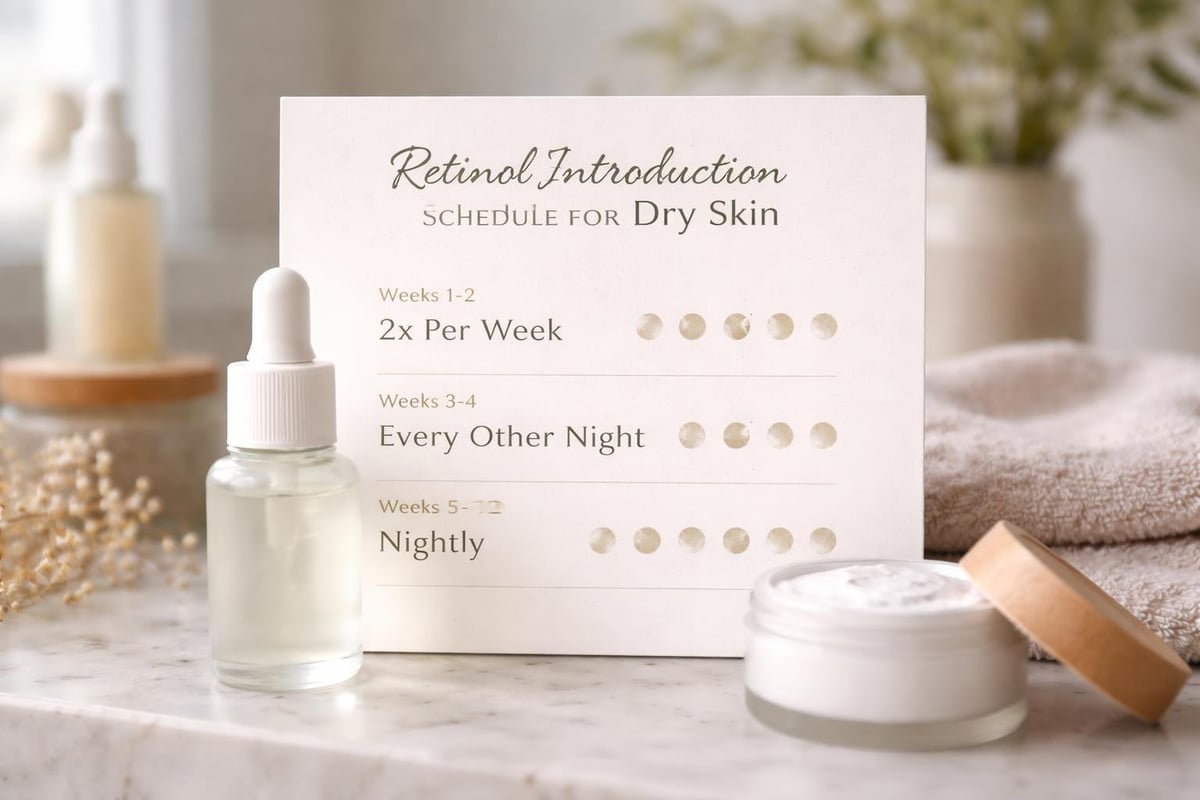
Building a Supportive Skincare Routine
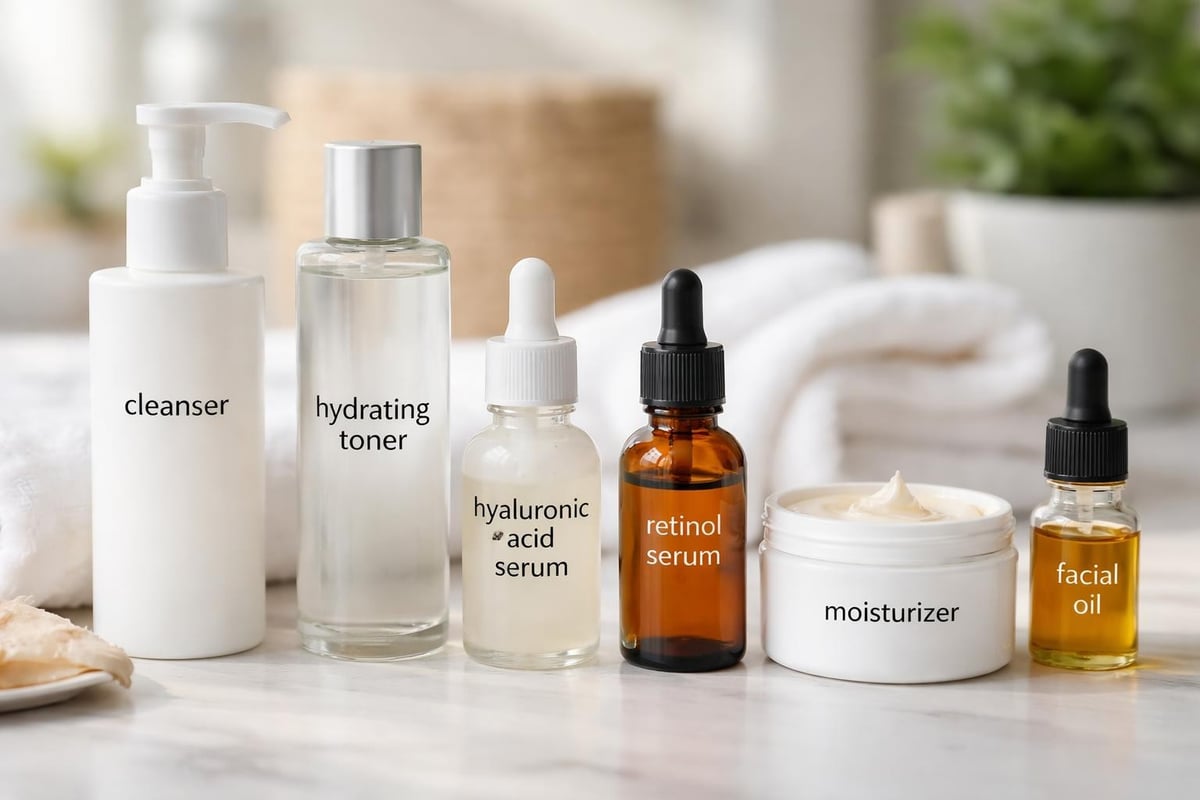
Retinol doesn't exist in isolation; it functions as part of a complete skincare ecosystem. For dry skin types, every other product in your routine must work in harmony to support your skin's hydration needs whilst allowing retinol to deliver its anti-ageing benefits.
Morning Protection Protocol
Your morning routine becomes even more critical when using retinol for dry skin. Retinol increases photosensitivity, making sun protection non-negotiable.
- Gentle cleanser: Choose cream or oil-based formulas that don't strip natural oils
- Hydrating toner or essence: Replenish moisture and prepare skin for subsequent products
- Antioxidant serum: Vitamin C or niacinamide to protect against free radical damage
- Rich moisturiser: Opt for formulations containing ceramides and fatty acids
- Broad-spectrum SPF 30+: Physical sunscreens with zinc oxide are often gentler on dry skin
Evening Nourishment Strategy
Your evening routine should focus on deep hydration and barrier repair. On nights when you're not using retinol, consider incorporating deeply nourishing natural skincare products that support your skin's recovery.
When you do apply retinol, follow the sandwich method outlined earlier. Consider adding a facial oil as the final step on particularly dry nights, as oils create an occlusive layer that locks in moisture throughout the night.
Companion Ingredients That Support Retinol Use
Certain ingredients work synergistically with retinol whilst others can exacerbate irritation. Knowing which companions to choose makes navigating retinol for dry skin considerably easier.
Hydration Heroes
Hyaluronic acid stands as the gold standard for retinol-compatible hydration. This humectant draws moisture into the skin, holding up to 1,000 times its weight in water. Apply it to damp skin before your retinol and moisturiser layers for maximum benefit.
Ceramides are lipid molecules that naturally occur in the skin barrier. Supplementing with ceramide-rich products helps repair the barrier disruption that retinol can cause, making them essential for dry skin types using retinol.
Niacinamide (vitamin B3) reduces transepidermal water loss and strengthens the skin barrier. It's exceptionally well-tolerated and complements retinol's benefits without increasing irritation.
Ingredients to Avoid
Whilst using retinol for dry skin, steer clear of other potentially irritating actives:
- Benzoyl peroxide (can deactivate retinol)
- High concentrations of AHAs or BHAs
- Physical scrubs or harsh exfoliants
- Fragrance and essential oils
- Alcohol-based toners
Many people wonder about combining retinol with other active ingredients, and the key lies in strategic timing and understanding your skin's tolerance threshold.
Troubleshooting Common Challenges
Even with careful planning, challenges can arise when using retinol for dry skin. Recognising and addressing these issues quickly prevents long-term damage and helps you stay on track with your retinol journey.
Managing the Retinol Response
The "retinol uglies" refer to the initial adjustment period where skin may peel, redden, or become irritated. For dry skin, this phase can be particularly uncomfortable. If you experience severe flaking:
- Reduce application frequency immediately
- Skip retinol for 3-5 days whilst focusing on hydration
- Use a gentle enzyme mask to remove dead skin cells without scrubbing
- Apply a thick layer of moisturiser or healing balm overnight
- Resume retinol at a lower frequency once skin recovers
When Dryness Persists
If dryness continues beyond the initial 4-6 week adjustment period, reassess your approach. Consider switching to a lower concentration or alternative retinoid formulation. Some individuals find better success with retinaldehyde or bakuchiol, gentler alternatives that deliver similar benefits with less irritation.
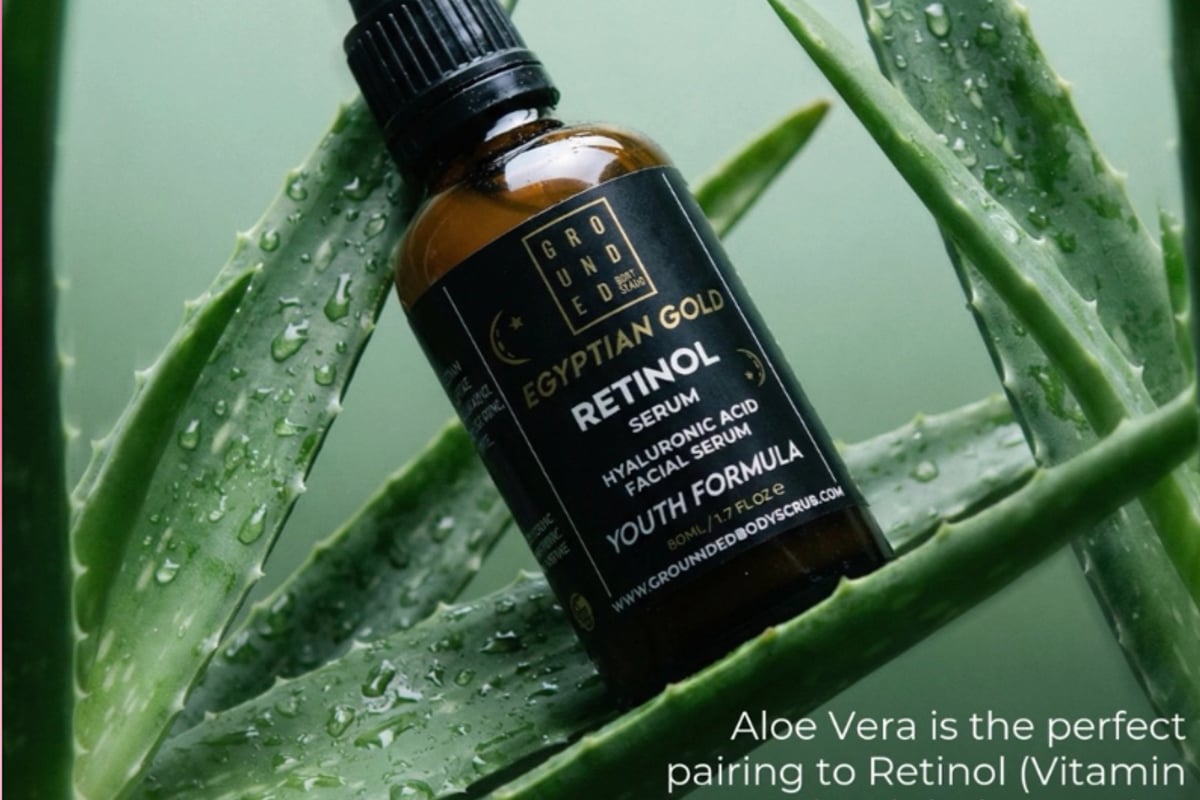
The Egyptian Gold Retinol Serum offers a balanced formulation designed to target signs of ageing whilst being mindful of hydration needs. Its composition addresses the delicate balance required when treating dry skin with retinol.
Seasonal Considerations and Environmental Factors
Your retinol routine for dry skin shouldn't remain static throughout the year. Environmental conditions significantly impact how your skin responds to active ingredients, requiring thoughtful adjustments.
Winter Adaptations
Cold weather and indoor heating systems create the perfect storm for dry skin. During winter months, consider:
- Reducing retinol frequency to 2-3 times weekly
- Increasing moisturiser thickness and application frequency
- Using a humidifier in your bedroom
- Applying an occlusive layer (like squalane or facial oil) over your night cream
- Adding a hydrating sheet mask 1-2 times weekly on non-retinol nights
Summer Strategies
Warmer weather may allow for slightly more frequent retinol application, but sun protection becomes even more critical. Summer considerations include:
- Reapplying SPF every 2 hours when outdoors
- Using lighter moisturisers during the day
- Maintaining heavier night creams for barrier support
- Avoiding retinol application before extended sun exposure
- Staying vigilant about hydration, both topical and internal
Advanced Retinol Strategies for Experienced Users
Once your skin has built tolerance to retinol, you may wish to optimise your routine for enhanced results. These advanced strategies work best after at least 3-6 months of consistent retinol use.
Targeted Application Zones
Rather than applying retinol uniformly across your entire face, consider concentrating it on areas most affected by ageing whilst avoiding particularly dry patches. This targeted approach maximises benefits whilst minimising irritation in sensitive areas.
Layering for Enhanced Benefits
Experienced users with well-adapted dry skin might explore careful layering techniques. For instance, applying retinol alongside complementary serums can amplify anti-ageing effects. However, this requires careful observation and willingness to adjust if irritation occurs.
Some advanced protocols include:
- Monday, Wednesday, Friday: Retinol with hydrating serum base
- Tuesday, Thursday: Niacinamide and peptide serum for barrier support
- Saturday: Gentle enzyme treatment
- Sunday: Deep hydration mask
Prescription Alternatives
If over-the-counter retinol continues to cause excessive dryness despite all modifications, prescription retinoids might paradoxically prove more suitable. Tretinoin, whilst more potent, comes in various formulations designed for dry skin. Consulting a dermatologist ensures you're using the most appropriate concentration and formulation for your specific needs.
Long-Term Success Markers
Measuring progress with retinol for dry skin requires patience and realistic expectations. Understanding what success looks like helps maintain motivation during the challenging adjustment period.
Timeline of Expected Changes
Weeks 1-4: Initial adjustment phase. You may experience dryness, flaking, or mild irritation. Focus on maintaining your barrier rather than seeing dramatic improvements.
Weeks 5-8: Skin begins adapting. Dryness typically decreases, and you might notice subtle improvements in texture and radiance.
Weeks 9-12: Tolerance builds. Fine lines may appear softer, skin tone more even, and texture smoother. Dryness should be minimal if you've found the right routine balance.
Months 4-6: Significant improvements become apparent. Deeper lines soften, skin firmness increases, and overall texture refines considerably.
6+ months: Full benefits manifest. Collagen production increases, photodamage reverses, and skin maintains a healthier, more youthful appearance with continued use.
Monitoring Your Skin's Response
Keep a simple log tracking application frequency, products used, and skin condition. This helps identify patterns and triggers, allowing you to refine your approach systematically rather than making random changes when problems arise.
Professional Support and When to Seek Help
Whilst many people successfully navigate retinol for dry skin independently, professional guidance proves invaluable in certain situations. Recognise when self-management reaches its limits and expert intervention becomes necessary.
Warning Signs Requiring Professional Attention
- Persistent redness lasting more than 48 hours after application
- Severe burning or stinging that doesn't subside
- Extensive peeling that doesn't improve with reduced frequency
- Development of rashes or hives
- Worsening of existing skin conditions
- No improvement after 6 months of consistent use
Dermatologists can assess whether retinol suits your particular skin type or whether alternative treatments might prove more effective. They can also prescribe stronger formulations or combination therapies tailored to your specific concerns.
Creating Your Personalised Retinol Protocol
Armed with comprehensive knowledge about using retinol for dry skin, you're ready to design a protocol suited to your unique needs. Remember that skincare is inherently personal; what works brilliantly for one person may prove unsuitable for another.
Your Starting Checklist
Before beginning your retinol journey, ensure you have:
- A gentle, hydrating cleanser
- A low-concentration retinol product (0.03%-0.1%)
- A rich, barrier-supporting moisturiser
- Broad-spectrum SPF 30 or higher
- A hydrating serum with hyaluronic acid or ceramides
- Realistic expectations about the adjustment timeline
Start conservatively, prioritise hydration, protect from sun exposure, and adjust based on your skin's feedback. Exploring the complete retinol range available through quality natural skincare providers ensures you're selecting formulations designed with skin health as the priority.
Tracking and Adjusting
Review your routine monthly. Ask yourself:
- Is my skin adapting or still experiencing excessive dryness?
- Can I increase frequency without triggering irritation?
- Are my hydrating products providing adequate support?
- Am I seeing gradual improvements in my target concerns?
- Do I need to modify my approach seasonally?
This regular assessment ensures you're progressing towards your skincare goals whilst maintaining skin health and comfort. The journey with retinol for dry skin requires patience, but the long-term benefits of improved texture, reduced fine lines, and enhanced radiance make the careful calibration worthwhile.
Understanding the nuances of retinol application helps you make informed decisions about incorporating this powerful ingredient into your routine whilst respecting your skin's specific needs.
Successfully incorporating retinol for dry skin demands a strategic approach that balances anti-ageing benefits with essential hydration and barrier support. By starting with appropriate concentrations, employing careful application techniques, and surrounding retinol with nourishing companion ingredients, even the driest complexions can harness this transformative ingredient safely and effectively. If you're ready to explore high-quality, naturally-focused skincare solutions that support your retinol journey whilst nurturing dry skin, discover how Grounded Body combines effective active ingredients with skin-loving natural formulations designed to deliver results without compromising your skin's health.