
Retinol Eye Serum: Benefits, Application & Safety
The delicate skin surrounding your eyes reveals the earliest signs of ageing, making targeted treatment essential for maintaining a youthful appearance. A retinol eye serum offers one of the most scientifically proven approaches to addressing fine lines, wrinkles, dark circles, and loss of firmness in this sensitive area. Understanding how to incorporate this powerful ingredient into your skincare routine requires knowledge of its benefits, proper application techniques, and potential considerations for optimal results.
Understanding Retinol and Its Effect on Eye Area Skin
Retinol belongs to the vitamin A family of compounds known as retinoids, which have demonstrated remarkable ability to transform skin at the cellular level. When applied to the eye contour, these molecules penetrate the epidermis and communicate with skin cells to accelerate renewal processes.
The skin around your eyes measures approximately 0.5mm thick, compared to roughly 2mm on other facial areas. This reduced thickness means the eye zone shows ageing signs earlier but also responds more sensitively to active ingredients. The understanding of retinol's suitability for eye contour care has evolved significantly as formulation science has advanced.
How Retinol Works Beneath the Surface
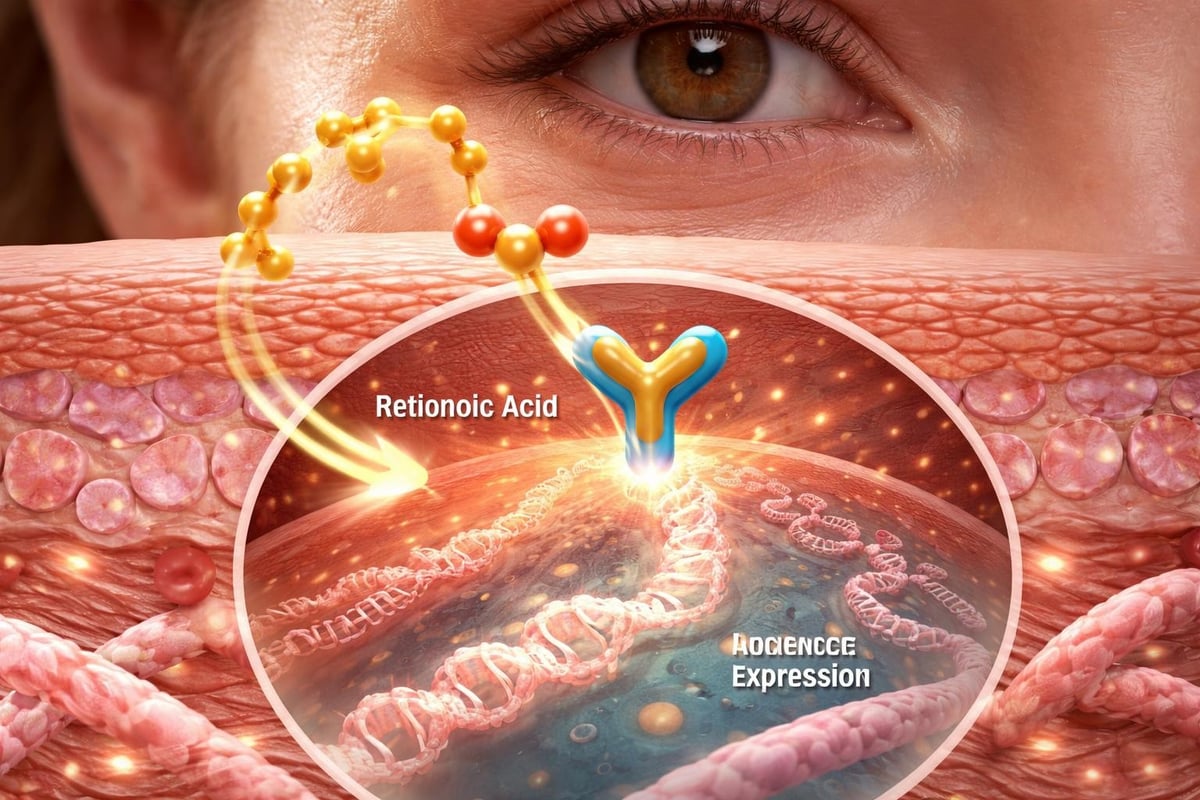
At a molecular level, retinol converts into retinoic acid within your skin cells. This active form binds to specific receptors that regulate gene expression, instructing cells to behave more youthfully.
Key mechanisms include:
- Accelerating cellular turnover to reveal fresher skin
- Stimulating fibroblasts to produce collagen and elastin
- Reducing melanin production to lighten hyperpigmentation
- Strengthening the skin barrier through improved ceramide synthesis
- Increasing hyaluronic acid production for enhanced hydration
The eye area benefits particularly from collagen stimulation, as the orbital zone naturally contains less structural support than cheek or forehead regions. Understanding retinol's broader effects on skin helps contextualize why this ingredient proves so valuable for anti-ageing strategies.
Benefits of Using Retinol Eye Serum
Incorporating a retinol eye serum into your skincare regimen addresses multiple concerns simultaneously, making it one of the most efficient treatments available for the periorbital area.
| Concern | How Retinol Addresses It | Timeline for Results |
|---|---|---|
| Fine lines | Increases collagen density and cellular renewal | 8-12 weeks |
| Deep wrinkles | Rebuilds dermal structure over time | 12-24 weeks |
| Dark circles | Thickens skin and improves microcirculation | 6-10 weeks |
| Puffiness | Strengthens capillaries and drainage | 8-14 weeks |
| Texture irregularities | Smooths surface through exfoliation | 4-8 weeks |
Reducing Fine Lines and Wrinkles
The most celebrated benefit of retinol eye serum involves its ability to minimize expression lines and age-related creases. Crow's feet, those radiating lines at the outer eye corners, respond particularly well to consistent retinol application.
Clinical studies demonstrate that regular use over three to six months produces measurable improvement in line depth and surface smoothness. The best retinol eye cream formulations recommended by dermatologists typically contain concentrations between 0.01% and 0.1% to balance efficacy with tolerability.
Brightening Dark Circles
Dark circles arise from multiple factors including thin skin revealing underlying vasculature, hyperpigmentation, and fluid accumulation. Retinol addresses these causes through several pathways.
By thickening the dermal layer, retinol reduces the translucency that makes blood vessels visible. Simultaneously, its melanin-regulating properties help fade pigmented dark circles that develop from sun exposure or inflammation. For those exploring retinol serum for dry skin, combining retinol with hydrating ingredients proves particularly beneficial around the eyes.
Improving Skin Texture and Firmness
Loss of elasticity creates that crepey texture many people notice as they age. A quality retinol eye serum combats this by rebuilding the extracellular matrix, the scaffolding of proteins that keeps skin taut and resilient.
The orbital area often develops a hollowed appearance as fat pads shift and bone resorption occurs. Whilst retinol cannot reverse structural changes, improving skin quality creates a more youthful contour through enhanced thickness and tone.
Choosing the Right Retinol Eye Serum Formulation
Not all retinol eye products deliver equal results, and selecting an appropriate formulation requires understanding several key factors that influence both effectiveness and comfort.
Concentration Considerations
Retinol concentrations for eye area typically range:
- Beginner level (0.01% to 0.025%): Ideal for retinol newcomers or sensitive skin
- Intermediate level (0.03% to 0.05%): Suitable after building tolerance
- Advanced level (0.1% and above): For experienced users with resilient skin
Starting with a lower concentration allows your skin to adapt to increased cellular turnover without overwhelming the delicate eye zone. Many people successfully use retinol for normal skin at higher concentrations on their face whilst maintaining gentler formulations specifically for the eye area.
Retinol Derivatives and Alternatives
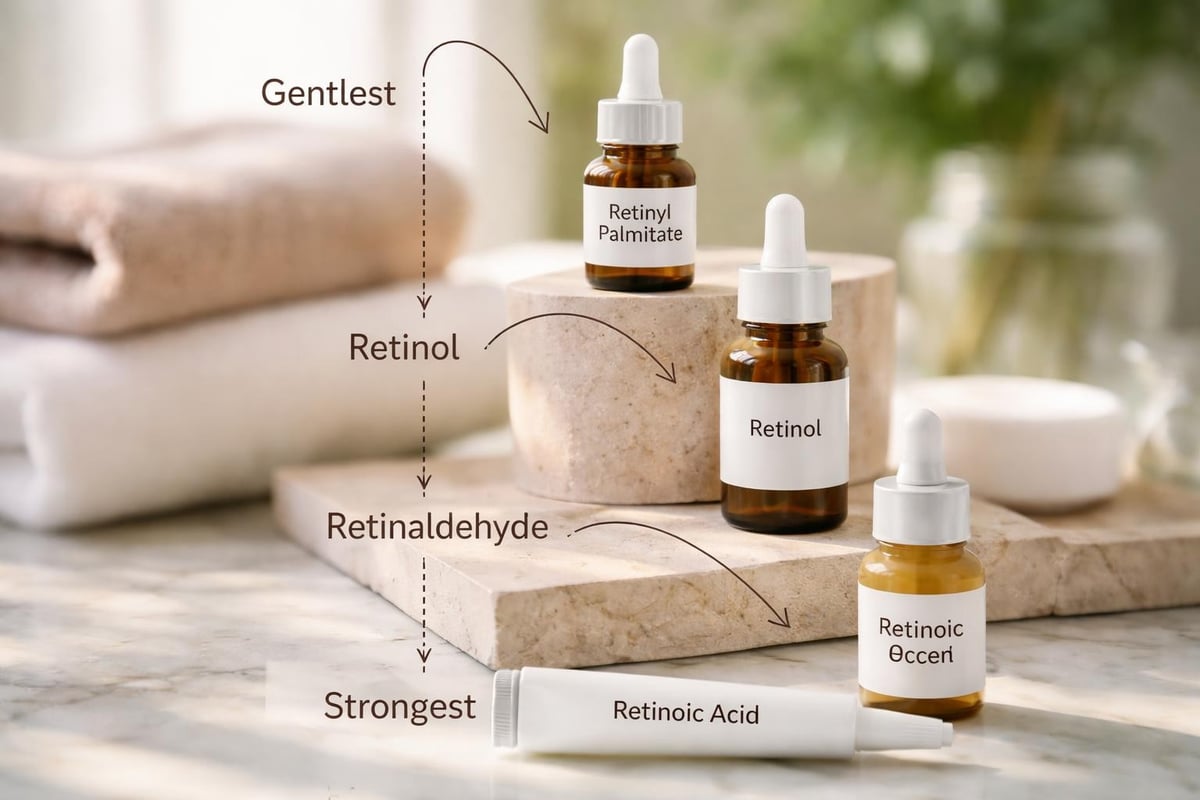
The retinoid family extends beyond pure retinol, offering options with varying potency and irritation profiles. Retinal, also called retinaldehyde, represents one step closer to retinoic acid in the conversion pathway. Expert insights on retinal serums suggest this derivative may work faster than traditional retinol whilst maintaining better tolerability.
Understanding the spectrum of vitamin A derivatives helps you make informed choices:
- Retinyl palmitate: Gentlest option, requiring multiple conversions
- Retinol: Mid-strength, most researched for cosmetic use
- Retinaldehyde: More potent, fewer conversion steps needed
- Retinoic acid: Prescription strength, not available in cosmetic formulations
Supporting Ingredients to Seek
The best retinol eye serum formulations pair retinol with complementary ingredients that enhance benefits whilst minimizing potential irritation. Hydrating components prove particularly valuable given retinol's tendency to cause temporary dryness during the adjustment period.
Beneficial companion ingredients include:
- Hyaluronic acid for moisture retention
- Niacinamide to strengthen the skin barrier
- Peptides for additional collagen support
- Ceramides to prevent transepidermal water loss
- Antioxidants like vitamin E to protect against free radicals
These supporting actors create a more sophisticated formula that addresses multiple aspects of eye area ageing whilst buffering retinol's potential for sensitivity.
Application Techniques for Maximum Benefit
Proper application technique significantly influences how well your skin tolerates retinol eye serum and the results you achieve. The eye area demands special consideration due to its unique characteristics and proximity to the ocular surface.
Safety and Ocular Health
The question of whether retinol can safely be used near the eyes warrants serious attention. Ocular safety testing for eye serums containing retinol ensures formulations meet specific criteria to prevent irritation if they come into contact with the eye itself.
Quality eye-specific retinol products undergo ophthalmological testing to verify they won't cause stinging, redness, or damage should accidental contact occur. This testing distinguishes eye-safe formulations from general retinol serums not designed for periorbital use.
Step-by-Step Application Guide
Achieving optimal results requires precision in both timing and technique. Apply your retinol eye serum following these steps:
- Cleanse thoroughly: Start with completely clean, dry skin
- Wait 20 minutes: Allow skin to dry completely after cleansing
- Dispense carefully: Use the smallest amount needed (usually rice grain size for both eyes)
- Apply strategically: Dot along the orbital bone, avoiding the mobile eyelid
- Pat gently: Use your ring finger to press product into skin without pulling
- Maintain distance: Keep application at least 5mm from the lash line
- Follow with moisturizer: Wait 10-15 minutes before applying eye cream if layering
The orbital bone creates a natural boundary for application. Product will naturally migrate slightly towards the eye, so maintaining this buffer zone prevents direct application too close to sensitive tissues.
Frequency and Timing
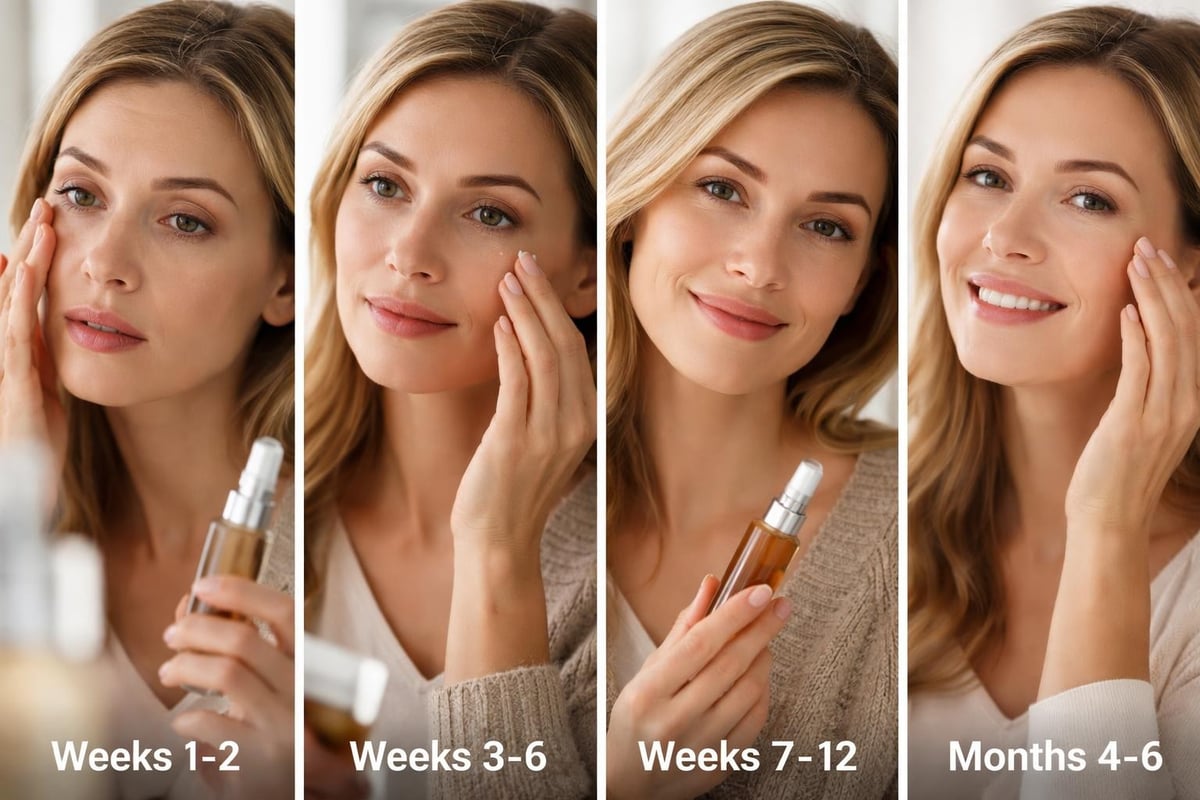
Beginning slowly prevents the irritation and flaking that discourage many people from continuing retinol use. Start with application just once or twice weekly in the evening, gradually increasing frequency as tolerance builds.
Recommended progression timeline:
| Weeks 1-2 | Weeks 3-4 | Weeks 5-8 | Week 9+ |
|---|---|---|---|
| 1x weekly | 2x weekly | Every other night | Nightly (if tolerated) |
Evening application proves ideal because retinol breaks down when exposed to sunlight, reducing effectiveness. Night-time use also allows the ingredient to work whilst cellular repair processes naturally peak during sleep.
Managing Initial Adjustment and Sensitivity
The adjustment phase when beginning retinol eye serum often determines whether someone continues use long enough to see results. Understanding what constitutes normal adjustment versus problematic reaction helps you navigate this period successfully.
Expected Adjustment Responses
Your skin undergoes significant changes when you introduce retinol, particularly if you've never used vitamin A derivatives previously. Common initial responses include:
- Mild flaking or peeling as cellular turnover accelerates
- Slight redness immediately after application
- Temporary feeling of tightness or dryness
- Increased sensitivity to other products
These responses typically diminish within four to six weeks as your skin adapts. The key involves distinguishing between adjustment and genuine adverse reaction.
When to Modify Your Approach
Persistent burning, swelling, or rash indicates your skin cannot tolerate the current formulation or frequency. Rather than abandoning retinol entirely, consider these modifications:
Adjustment strategies include:
- Reducing application frequency
- Mixing with moisturizer to dilute concentration
- Switching to a lower retinol percentage
- Taking breaks between applications
- Applying moisturizer first as a buffer layer
Some individuals find that their skin tolerates retinol better when introduced gradually through the "sandwich method", applying moisturizer before and after the retinol eye serum.
Integrating Retinol Eye Serum into Your Routine
A retinol eye serum doesn't exist in isolation but functions as part of a comprehensive skincare strategy. Understanding how to combine it with other products maximizes benefits whilst preventing conflicts that reduce effectiveness.
Product Layering Sequence
The order in which you apply skincare products affects absorption and efficacy. Following the principle of thin to thick ensures each layer penetrates properly.
Evening routine with retinol eye serum:
- Cleanser
- Toner (if used)
- Treatment serums for face (avoid eye area)
- Retinol eye serum (eye area only)
- Face moisturizer (avoiding immediate eye zone)
- Eye cream (optional, if additional hydration needed)
- Facial oil (if used, as final step)
Some people prefer applying their retinol eye serum before face serums to ensure the eye area receives treatment whilst skin remains completely dry, which some experts believe enhances retinol penetration.
Ingredients to Avoid Combining
Certain ingredient combinations can increase irritation or reduce retinol stability. Around the delicate eye area, caution proves particularly important.
Avoid using these with retinol eye serum in the same routine:
- Alpha hydroxy acids (glycolic, lactic acid)
- Beta hydroxy acid (salicylic acid)
- Benzoyl peroxide
- High concentrations of vitamin C
- Physical exfoliants
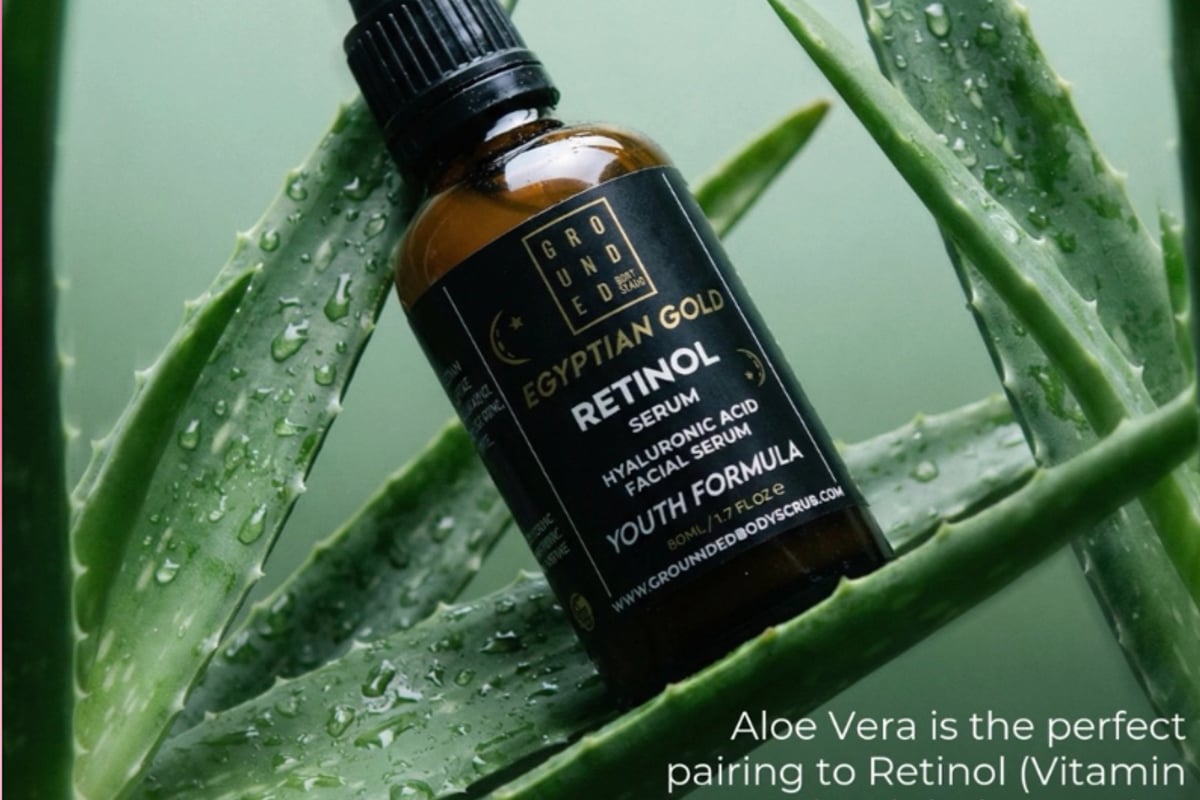
You can use these ingredients at different times (retinol at night, acids in the morning) or on alternate days. The Egyptian Gold Retinol Serum demonstrates how thoughtfully formulated retinol products incorporate complementary ingredients that work synergistically rather than creating conflicts. When targeting multiple concerns across your face, a well-designed retinol product provides the foundation for addressing wrinkles, fine lines, and signs of ageing without overwhelming the skin.
Morning Protection is Essential
Retinol increases photosensitivity, making sun protection non-negotiable when using these products. The eye area requires particular attention as many people neglect this zone when applying sunscreen.
Choose a broad-spectrum SPF 30 or higher and apply it carefully around the entire orbital area, including the upper eyelid if your sunscreen is ophthalmologically tested for this use. Sunglasses provide additional protection against UV rays and environmental stressors that accelerate ageing.
Special Considerations for Different Skin Types
Individual skin characteristics influence how you should approach retinol eye serum, with adjustments needed based on your specific dermatological profile.
Dry and Sensitive Skin
Those with naturally dry or reactive skin require extra caution when introducing retinol around the eyes. The already compromised barrier function in dry skin makes irritation more likely.
Strategies for dry, sensitive skin include:
- Starting with retinyl palmitate or low-concentration retinol (0.01%)
- Always applying on completely dry skin
- Using rich, nourishing eye creams over the retinol
- Limiting frequency to twice weekly initially
- Incorporating barrier-repair ingredients like ceramides
The eye area on dry skin types may benefit from facial care products specifically designed to provide intense hydration alongside active ingredients.
Mature Skin Seeking Anti-Ageing Results
Mature skin often tolerates retinol well because it's typically less reactive than younger skin, though increased dryness may occur. More aggressive treatment may be appropriate for addressing established signs of ageing.
For mature skin, a moderate to higher concentration retinol eye serum (0.05% to 0.1%) combined with peptides and growth factors can deliver comprehensive rejuvenation. The focus should remain on rebuilding structural components whilst maintaining adequate hydration.
Combination and Oily Skin Types
Those with oilier skin around the eyes (less common but possible) may tolerate retinol more easily and experience less dryness during adjustment. However, sensitivity can still occur regardless of sebum production.
Lighter serum textures suit combination skin better than heavy creams, allowing the retinol to penetrate without creating congestion. Gel-based formulations often work well for these skin types.
Long-Term Results and Realistic Expectations
Understanding the timeline and scope of improvement helps maintain realistic expectations whilst committing to consistent use required for retinol eye serum to deliver results.
What Retinol Can and Cannot Address
Retinol excels at improving skin quality, texture, and tone, but it cannot reverse anatomical changes or replace lost volume. Setting appropriate expectations prevents disappointment and helps you appreciate the genuine improvements that occur.
Retinol effectively targets:
- Fine expression lines
- Surface texture irregularities
- Mild to moderate wrinkles
- Pigmentation and discoloration
- Skin thinning and fragility
- Overall radiance and clarity
Retinol limitations include:
- Deep static wrinkles (may improve but not eliminate)
- Volume loss and hollowing
- Severe under-eye bags
- Genetic dark circles from bone structure
- Significant skin laxity
For concerns beyond retinol's scope, complementary approaches like professional treatments, devices, or cosmetic procedures may be necessary to achieve desired outcomes.
Maintenance and Continued Use
Once you achieve improvement, maintaining results requires ongoing application. Retinol doesn't provide permanent changes but rather sustains improved cellular behaviour whilst you continue using it.
Most people find they can reduce frequency slightly once optimal results are achieved, perhaps moving from nightly to five times weekly. However, stopping completely allows ageing processes to resume their natural course. Think of retinol as an ongoing wellness practice rather than a temporary treatment course.
The cumulative benefits of retinol also mean results continue improving beyond the initial months, with many users reporting enhanced outcomes at the one-year and two-year marks compared to three or six months of use.
Addressing Common Concerns and Misconceptions
Several persistent myths about retinol eye serum create unnecessary hesitation or improper use. Clarifying these points helps you make informed decisions.
"Retinol Thins the Skin"
This misconception likely arose from the temporary flaking that occurs during adjustment. In reality, retinol thickens the dermis over time by stimulating collagen and glycosaminoglycan production.
The exfoliation you experience affects only the outermost dead cell layer (stratum corneum), whilst the living layers beneath become denser and more robust with continued use. Clinical measurements consistently demonstrate increased dermal thickness following long-term retinol application.
"You Build Tolerance and Need Stronger Products"
Whilst your skin does adapt to retinol, becoming able to tolerate higher frequencies or concentrations, this doesn't mean the ingredient stops working. The biological responses that create anti-ageing benefits continue regardless of whether you experience visible peeling.
Some people eventually move to stronger concentrations to address more advanced concerns, but others maintain excellent results at lower percentages indefinitely. The scientific research behind retinol formulations demonstrates sustained efficacy with consistent use.
"Natural Alternatives Work Just as Well"
Certain plant-derived ingredients like bakuchiol show promise as retinol alternatives with different tolerance profiles. However, claiming equivalency oversimplifies the comparison. These alternatives may suit those who cannot tolerate retinol, but the depth of research supporting retinol's mechanisms and results remains unmatched.
Making informed choices means understanding both the benefits and limitations of various options rather than accepting marketing claims at face value.
Professional Guidance and When to Seek Expert Advice
Whilst retinol eye serum is available without prescription, certain situations warrant professional consultation to ensure safe, effective use.
Consulting with Skincare Professionals
A dermatologist or experienced aesthetician can assess your specific skin concerns and recommend appropriate concentrations and formulations. They can also identify any contraindications based on your medical history or current medications.
Professional guidance proves particularly valuable if you:
- Have rosacea, eczema, or other inflammatory skin conditions
- Are using prescription medications that affect the skin
- Experience persistent irritation despite proper introduction techniques
- Want to combine retinol with professional treatments
- Have questions about interactions with other active ingredients
Recognizing When to Stop or Modify Use
Certain signs indicate you should pause retinol use and seek professional evaluation. These include severe burning, blistering, extreme redness that doesn't subside, swelling, or any changes to vision or eye comfort.
Temporary mild irritation differs significantly from adverse reactions requiring intervention. Learning to distinguish between these responses helps you use retinol safely whilst maximizing benefits.
Incorporating a retinol eye serum into your skincare routine represents one of the most effective strategies for addressing visible signs of ageing around the delicate eye area. With proper formulation selection, careful application technique, and realistic expectations, this powerful ingredient delivers measurable improvements in fine lines, wrinkles, texture, and overall skin quality. Whether you're just beginning your anti-ageing journey or seeking to enhance established routines, Grounded Body offers thoughtfully formulated skincare solutions using natural ingredients designed to nourish and transform your skin with proven, effective actives.