
Skincare Cosmetics Retinol: Complete Guide 2026
Retinol has earned its reputation as one of the most extensively researched and effective ingredients in modern skincare. This vitamin A derivative continues to transform how we approach anti-ageing, skin texture improvement, and overall complexion refinement. As we navigate the expanding world of skincare cosmetics retinol formulations in 2026, understanding how this powerhouse ingredient works and how to incorporate it properly into your routine becomes essential for achieving optimal results.
Understanding Retinol's Mechanism in Skincare
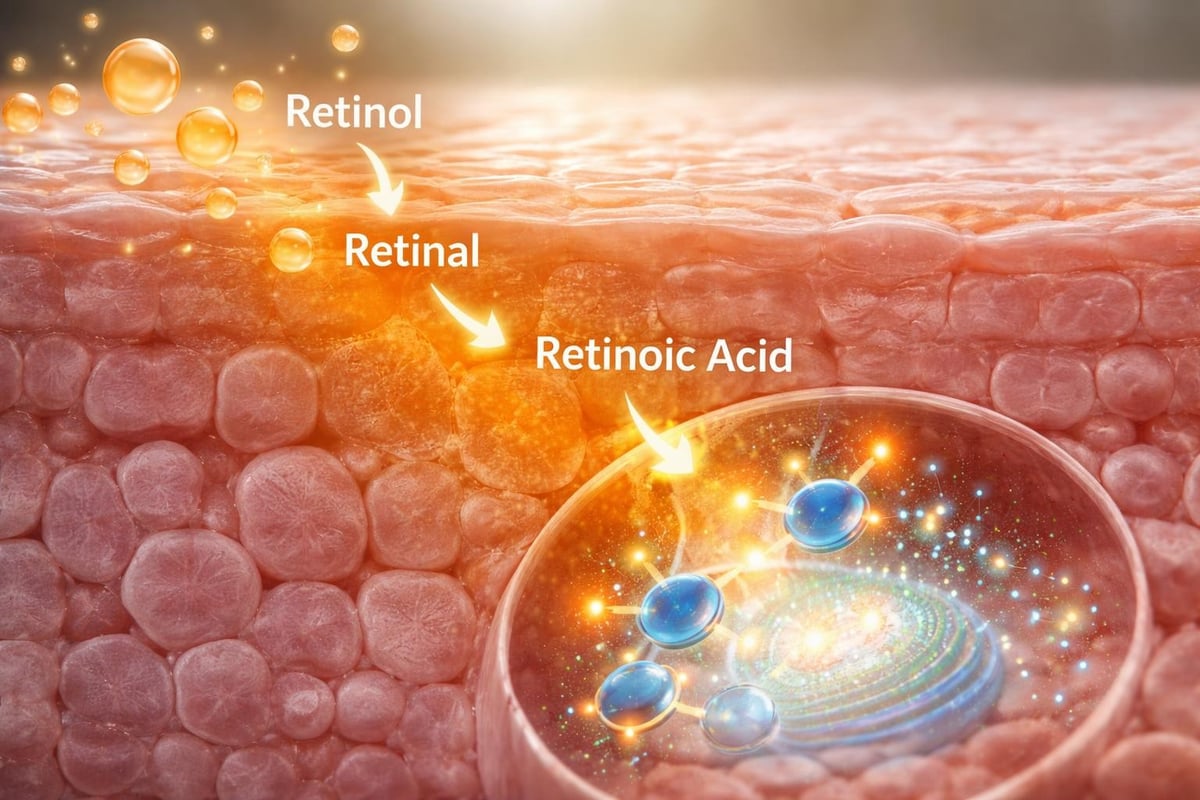
Retinol belongs to the retinoid family, a group of compounds derived from vitamin A that have revolutionised dermatological science. When applied topically, skincare cosmetics retinol penetrates the skin's surface and undergoes enzymatic conversion to retinoic acid, the active form that delivers tangible results. This conversion process explains why retinol works more gradually than prescription-strength tretinoin but with significantly reduced irritation potential.
The cellular impact of retinol extends far beyond surface-level improvements. Once converted, retinoic acid binds to specific receptors within skin cells, triggering a cascade of beneficial responses. These include accelerated cell turnover, enhanced collagen production, and improved communication between cells. The science behind retinol demonstrates how this multi-faceted approach addresses various skin concerns simultaneously.
The Biological Benefits of Retinol
Retinol's primary strength lies in its ability to normalise skin cell behaviour. As we age, cellular turnover slows dramatically, leading to dull, uneven skin tone and accumulated dead cells on the surface. Skincare cosmetics retinol counteracts this process by:
- Accelerating the shedding of old, damaged cells
- Stimulating fibroblast activity to boost collagen and elastin production
- Reducing melanin synthesis to fade hyperpigmentation
- Normalising sebum production in acne-prone skin
- Strengthening the skin's moisture barrier over time
Collagen stimulation represents one of retinol's most valued attributes. Clinical studies consistently show that regular retinol application increases dermal thickness and improves skin elasticity. This occurs because retinol inhibits the enzymes that break down collagen whilst simultaneously promoting new collagen formation.
Beyond structural improvements, retinol demonstrates impressive results for addressing various skin concerns. Its ability to regulate cell behaviour makes it effective for treating acne, reducing fine lines, fading dark spots, and improving overall skin texture. This versatility explains why retinol remains a cornerstone ingredient across professional and consumer skincare formulations.
Choosing the Right Retinol Concentration
Navigating retinol percentages requires understanding both efficacy and tolerance thresholds. Skincare cosmetics retinol products typically range from 0.25% to 2%, with higher concentrations delivering faster results but increased irritation risk. Beginners should invariably start with lower concentrations, allowing their skin to build tolerance gradually.
| Concentration | Best For | Expected Timeline | Adjustment Period |
|---|---|---|---|
| 0.25% - 0.5% | Sensitive skin, first-time users | 12-16 weeks | 2-4 weeks |
| 0.5% - 1% | Normal to combination skin | 8-12 weeks | 4-6 weeks |
| 1% - 2% | Experienced users, resilient skin | 6-10 weeks | 6-8 weeks |
The adjustment period, commonly called "retinisation," involves temporary side effects as skin adapts to increased cell turnover. During this phase, users may experience mild redness, flaking, or dryness. These symptoms typically resolve within several weeks as the skin builds tolerance.
Product formulation matters as much as concentration. Advanced delivery systems, stabilising ingredients, and complementary actives significantly influence how skin tolerates retinol. Encapsulated retinol, for instance, releases gradually throughout the night, minimising irritation whilst maintaining efficacy.
Retinol Forms and Their Characteristics
Different retinol derivatives offer varying potency levels and stability profiles. Understanding these distinctions helps in selecting appropriate skincare cosmetics retinol formulations:
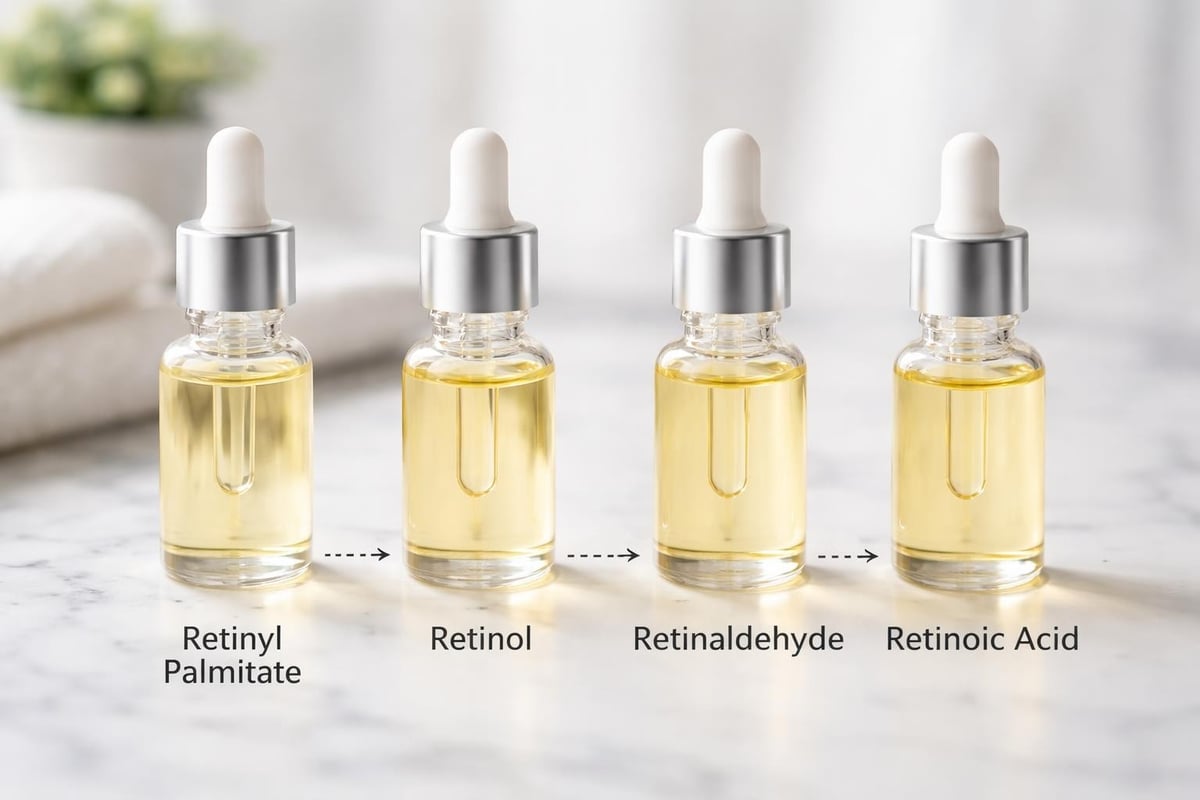
- Retinol - Direct vitamin A derivative requiring two conversion steps to become retinoic acid
- Retinaldehyde - Requires only one conversion step, works faster than retinol with moderate irritation
- Retinyl palmitate - Gentlest form requiring three conversions, ideal for sensitive skin
- Retinyl retinoate - Hybrid molecule combining retinol with retinoic acid for enhanced stability
Each form presents distinct advantages depending on individual skin needs and tolerance levels. Those with sensitive skin considerations benefit from gentler derivatives, whilst experienced users may prefer faster-acting options.
Incorporating Retinol into Your Skincare Routine
Strategic application maximises retinol benefits whilst minimising adverse reactions. Skincare cosmetics retinol works best when introduced methodically, with careful attention to product layering and frequency.
Evening application remains the gold standard. Retinol degrades rapidly when exposed to sunlight, reducing its efficacy. More importantly, the cellular renewal it triggers makes skin temporarily more photosensitive. Applying retinol at night allows it to work during the skin's natural repair cycle whilst avoiding UV exposure.
The proper application sequence ensures optimal absorption and minimises irritation:
- Cleanse thoroughly with a gentle, pH-balanced cleanser
- Pat skin completely dry and wait 10-15 minutes
- Apply a pea-sized amount of retinol serum or cream
- Wait another 10-15 minutes for absorption
- Follow with a nourishing moisturiser to seal in hydration
Starting with twice-weekly applications gives skin time to adjust. After four weeks, increase to every other night, then eventually to nightly use if tolerated well. This graduated approach significantly reduces the likelihood of overwhelming the skin.
Complementary Ingredients and Combinations
Strategic ingredient pairing enhances retinol's effectiveness whilst supporting skin health. However, certain combinations require caution to prevent excessive irritation or ingredient degradation.
Beneficial partnerships include:
- Hyaluronic acid - Provides essential hydration to counteract retinol-induced dryness
- Niacinamide - Strengthens the moisture barrier and reduces inflammation
- Peptides - Complement retinol's collagen-boosting effects
- Ceramides - Restore and maintain skin barrier function
Conversely, some combinations demand careful timing or complete avoidance. Using retinol alongside alpha hydroxy acids (AHAs), beta hydroxy acids (BHAs), or vitamin C in the same routine can cause significant irritation. These ingredients work best when alternated on different evenings or applied at opposite times of day.
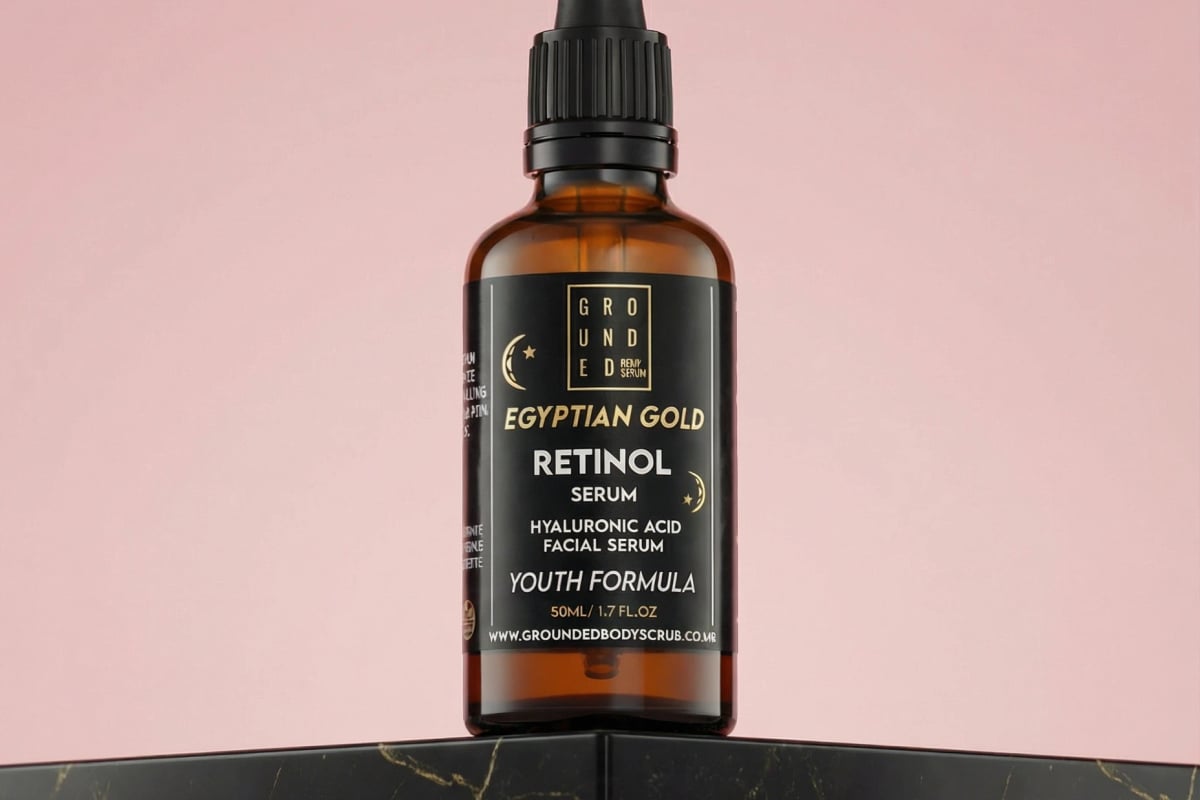
The Egyptian Gold Retinol Serum exemplifies thoughtful formulation by combining retinol with nourishing natural ingredients that support skin tolerance whilst targeting wrinkles, fine lines, and loss of collagen. This balanced approach demonstrates how quality skincare cosmetics retinol products can deliver powerful results without compromising skin comfort.
Managing Common Retinol Side Effects
Understanding and anticipating retinol's adjustment period prevents unnecessary discontinuation of this valuable ingredient. Most side effects prove temporary and manageable with proper technique modifications.
Dryness and flaking represent the most common initial reactions. This occurs as accelerated cell turnover brings newer cells to the surface before the skin's natural exfoliation process would typically reveal them. Combat this by:
- Reducing application frequency temporarily
- Applying retinol over moisturiser (buffering technique)
- Using a richer, more emollient night cream
- Incorporating facial oils to boost lipid content
Redness and sensitivity signal that the skin barrier needs additional support. This doesn't necessarily mean stopping retinol use entirely. Instead, scale back to once or twice weekly, ensure adequate hydration, and avoid other potentially irritating ingredients during the adjustment phase.
Long-Term Maintenance Strategies
Once skin acclimates to skincare cosmetics retinol, maintaining consistent use becomes crucial for sustained results. However, even experienced users occasionally need to adjust their approach based on environmental factors, seasonal changes, or other skincare additions.
| Season | Adjustment Strategy | Additional Support |
|---|---|---|
| Winter | Reduce frequency or buffer with moisturiser | Add facial oil, increase hydration |
| Spring | Resume standard application | Emphasise sun protection |
| Summer | Continue with diligent SPF use | Consider lighter moisturiser formulas |
| Autumn | Potentially increase concentration | Add barrier-supporting ingredients |
Climate and environment dramatically influence how skin responds to retinol. Cold weather, low humidity, and indoor heating all compromise the moisture barrier, potentially increasing retinol sensitivity. Conversely, humid conditions may allow for more frequent or higher-concentration use.
Tolerance doesn't equal invincibility. Even after months of successful retinol use, introducing new active ingredients, undergoing professional treatments, or experiencing hormonal fluctuations may temporarily increase sensitivity. Listening to your skin and adjusting accordingly prevents setbacks.
Retinol for Different Skin Types and Concerns
Customising your approach to skincare cosmetics retinol based on specific skin characteristics optimises outcomes whilst minimising complications. Each skin type presents unique considerations that influence product selection and application methods.
Oily and Acne-Prone Skin
Retinol offers remarkable benefits for acne-prone complexions through multiple mechanisms. It prevents dead cells from clogging pores, regulates sebum production, and reduces inflammation. Those with oily skin often tolerate retinol better than their dry-skinned counterparts due to higher natural lipid production.
For acne concerns, consider these application guidelines:
- Start with gel or serum formulations rather than heavy creams
- Apply to completely dry skin to maximise penetration
- Focus on consistent use rather than spot treatment
- Combine with appropriate skin treatments for comprehensive care
- Allow 12-16 weeks for visible improvement in acne lesions
Patience proves essential, as retinol may initially cause a purging phase where underlying congestion surfaces. This temporary worsening typically resolves within 4-6 weeks, revealing clearer, smoother skin beneath.
Dry and Sensitive Skin
Dry or sensitive skin types require modified approaches to successfully incorporate skincare cosmetics retinol. The key lies in building and maintaining a robust moisture barrier whilst allowing retinol to deliver its transformative benefits.
Buffering techniques work exceptionally well for sensitive skin. Apply moisturiser first, wait 15 minutes, then apply retinol over the moisturiser layer. This method slows retinol penetration slightly but dramatically reduces irritation potential. Results still manifest, albeit over a more extended timeline.
Alternatively, try the sandwich method: apply a thin moisturiser layer, follow with retinol, then seal with additional moisturiser. This approach provides both protection and hydration whilst supporting retinol efficacy. Those with particularly reactive skin should explore retinol options for dry skin that incorporate soothing, barrier-supporting ingredients.
Mature Skin and Anti-Ageing Goals
For those primarily focused on anti-ageing benefits, skincare cosmetics retinol represents perhaps the most scientifically validated option available. Research demonstrates retinol's anti-ageing properties extensively, confirming its ability to reduce wrinkle depth, improve elasticity, and enhance overall skin quality.
Mature skin often proves more delicate due to thinning dermal layers and reduced oil production. This necessitates:
- Prioritising hydration through layered moisturisers
- Using retinol formulations enriched with antioxidants
- Applying broad-spectrum SPF 50 daily without exception
- Incorporating neck and décolletage into treatment areas
- Combining retinol with peptides for synergistic effects
The timeline for visible improvements typically spans 8-12 weeks for texture refinement and 12-24 weeks for significant wrinkle reduction. Photographic documentation helps track subtle progress that might otherwise go unnoticed.
Essential Sun Protection with Retinol Use
Sun protection transcends mere recommendation when using skincare cosmetics retinol; it becomes an absolute necessity. Retinol increases photosensitivity by accelerating cell turnover, bringing newer, less pigmented cells to the surface that lack full melanin protection.
Daily broad-spectrum SPF application must become non-negotiable. Choose formulas offering both UVA and UVB protection with an SPF rating of at least 30, though SPF 50 provides optimal coverage. Physical sunscreens containing zinc oxide or titanium dioxide offer immediate protection without requiring absorption time.
Beyond daily sunscreen, consider these additional protective measures:
- Reapply sunscreen every two hours during extended sun exposure
- Wear protective clothing and wide-brimmed hats outdoors
- Seek shade during peak UV hours (10 AM to 4 PM)
- Use antioxidant serums beneath sunscreen for added protection
- Remember that UV rays penetrate windows, requiring protection indoors near windows
Neglecting sun protection whilst using retinol can paradoxically worsen the concerns you're attempting to address. UV exposure during retinol treatment can lead to hyperpigmentation, increased irritation, and compromised results. Those interested in understanding more about retinol's impact on skin should prioritise comprehensive photoprotection.
Retinol Myths and Misconceptions
Despite extensive research validating retinol's efficacy, numerous myths persist that prevent people from experiencing its benefits. Addressing these misconceptions enables more informed decision-making about incorporating skincare cosmetics retinol into your routine.
Myth: Retinol thins your skin. This common misunderstanding stems from the initial flaking many users experience. In reality, retinol thickens the dermis by stimulating collagen production whilst normalising the epidermis. The temporary surface flaking represents accelerated turnover, not thinning.
Myth: You can't use retinol in summer. Whilst extra sun protection becomes crucial, retinol itself doesn't make summer use problematic. The key lies in diligent SPF application and reapplication. Discontinuing retinol for several months erases progress and requires restarting the adjustment period.
Myth: Natural alternatives work just as well. Whilst bakuchiol and other plant-based ingredients show promise, current research on retinol demonstrates significantly more robust evidence for efficacy. Natural alternatives may suit those unable to tolerate retinol, but they don't yet match its documented results.
Prescription Strength Considerations
Some individuals eventually consider transitioning from over-the-counter retinol to prescription-strength tretinoin. Understanding tretinoin options helps determine whether this escalation suits your needs.
Prescription retinoids work faster and more potently because they require no conversion to retinoic acid. However, this increased strength brings substantially higher irritation potential. Those considering this progression should:
- Master over-the-counter retinol tolerance first
- Consult with a dermatologist about appropriateness
- Start with the lowest prescription strength available
- Expect a new adjustment period despite prior retinol experience
- Intensify sun protection measures further
Monitoring Progress and Adjusting Your Approach
Tracking results objectively helps maintain motivation during the initial weeks when visible improvements remain subtle. Skincare cosmetics retinol delivers gradual, cumulative benefits rather than overnight transformation.
Photographic documentation provides the most accurate progress assessment. Take consistent photos under identical lighting conditions at four-week intervals. Focus on specific concerns like crow's feet, forehead lines, or texture irregularities. Side-by-side comparisons reveal subtle improvements that daily mirror checks might miss.
Beyond visual changes, monitor how your skin feels. Improved texture, increased smoothness, and enhanced luminosity often manifest before visible wrinkle reduction. These textural refinements indicate that retinol is working at the cellular level.
| Timeline | Expected Changes | Assessment Method |
|---|---|---|
| Weeks 1-4 | Adjustment period, possible flaking | Tolerance evaluation |
| Weeks 4-8 | Improved texture, subtle glow | Touch and close observation |
| Weeks 8-12 | Reduced fine lines, even tone | Comparative photography |
| Weeks 12-24 | Significant wrinkle reduction, firmness | Professional assessment |
Should progress stall after several months, consider whether your current concentration remains appropriate. Skin adapts to retinol over time, potentially requiring strength increases to continue seeing improvements. However, avoid rushing this progression; stability at your current level for at least six months ensures adequate assessment time.
Storage and Product Integrity
Retinol's efficacy depends heavily on proper storage and product freshness. This active ingredient degrades rapidly when exposed to air, light, and heat, rendering it significantly less effective over time.
Opaque, airless packaging protects retinol from degradation better than traditional jars or clear bottles. Pump dispensers or tubes minimise air exposure during use. If your skincare cosmetics retinol comes in a jar, consider decanting a week's worth into a smaller container to limit repeated air exposure to the main product.
Storage conditions matter tremendously:
- Keep retinol products in cool, dark locations
- Avoid bathroom storage where humidity and temperature fluctuate
- Never expose products to direct sunlight
- Replace opened retinol products within 6-9 months
- Discard products showing colour changes or unusual odours
Refrigeration can extend retinol stability, though it's not essential with quality formulations in appropriate packaging. However, never freeze retinol products, as this can compromise the formulation's integrity.
Professional Treatments and Retinol Compatibility
Coordinating professional skincare treatments with your at-home retinol routine requires careful timing to prevent excessive irritation or compromised results. Most aesthetic procedures temporarily increase skin sensitivity, necessitating modifications to your skincare cosmetics retinol schedule.
Chemical peels work through controlled injury to promote skin renewal, similar to retinol's mechanism. Combining these treatments too closely risks over-exfoliation and barrier damage. Discontinue retinol use 3-7 days before professional peels and resume only after complete healing, typically 7-14 days post-treatment.
Microneedling creates thousands of microscopic channels in the skin to boost product absorption and stimulate collagen. Stop retinol use one week before microneedling sessions and avoid resuming for at least one week afterwards. Some practitioners recommend a two-week buffer on both sides for optimal healing.
Laser treatments demand the most extensive retinol pause. Ablative lasers require stopping retinol 2-4 weeks beforehand and waiting 4-6 weeks before reintroducing it. Non-ablative lasers typically need shorter breaks, but always follow your practitioner's specific guidance.
Incorporating skincare cosmetics retinol into your routine represents a significant commitment to long-term skin health and visible improvement. The science supporting retinol's efficacy continues to strengthen, confirming its position as an essential ingredient for addressing multiple skin concerns simultaneously. Whether you're targeting fine lines, uneven texture, or maintaining youthful skin, understanding proper application techniques and patience during the adjustment period sets the foundation for success. Grounded Body offers thoughtfully formulated skincare solutions featuring natural ingredients that work harmoniously with active ingredients like retinol, supporting your journey towards healthier, more radiant skin with products designed for both efficacy and comfort.